
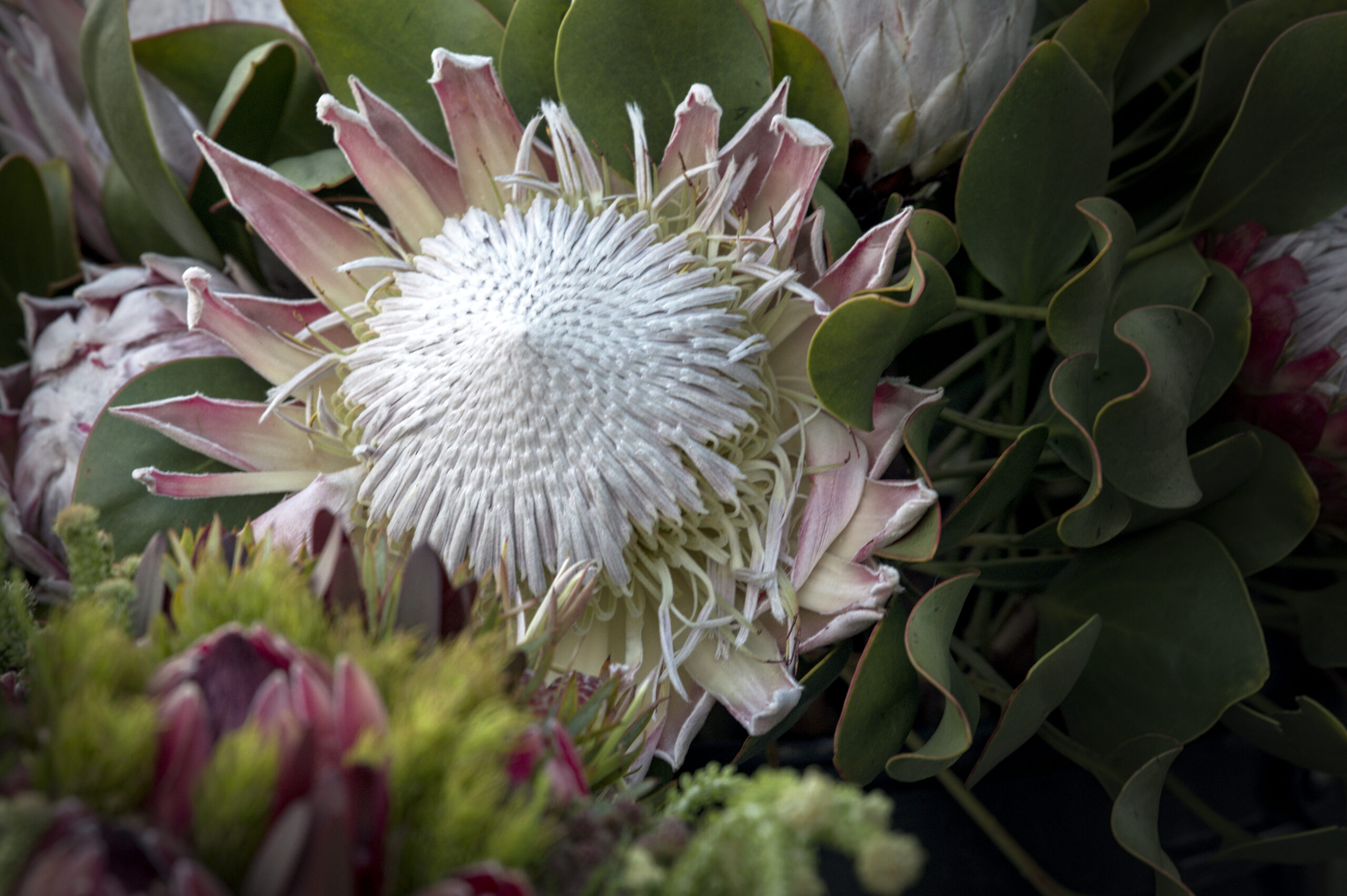
South Africa is one of the world’s most exciting places for plant diversity. From fynbos-covered mountains to dry savannas, coastal forests, and desert-like landscapes, the country is home to thousands of remarkable species. Some South Africa plants are found nowhere else on Earth, while others are native to southern Africa and strongly linked with South African landscapes.
If you are looking for famous plants in South Africa, this guide introduces iconic flowers, trees, shrubs, and succulents that stand out for their beauty, adaptations, cultural value, or ecological importance.
South African plants are especially known for:
- unusual flowers that attract birds, insects, and even rodents;
- drought-tolerant leaves, stems, or roots;
- strong links to fynbos, savanna, forest, and karoo habitats;
- global popularity in gardens, teas, and conservation projects.
| Plant | Type | Best Known For |
| King Protea | Flowering shrub | National flower of South Africa |
| Bird of Paradise | Perennial flower | Crane-like orange and blue blooms |
| Baobab | Tree | Massive trunk and long lifespan |
| Aloe Ferox | Succulent | Medicinal bitter aloe |
| Spekboom | Succulent shrub | Carbon storage and edible leaves |
| Flame Lily | Climbing flower | Red and yellow flame-like petals |
| Silver Tree | Tree | Silvery foliage and Cape Peninsula habitat |
| Clivia | Flowering perennial | Shade-loving orange blooms |
| Lithops | Succulent | Stone-like camouflage |
| Rooibos | Shrub | Caffeine-free herbal tea |
| Snow Protea | Flowering shrub | Rare high-mountain protea |
| African Daisy | Flowering plant | Colorful garden flowers |
1. King Protea
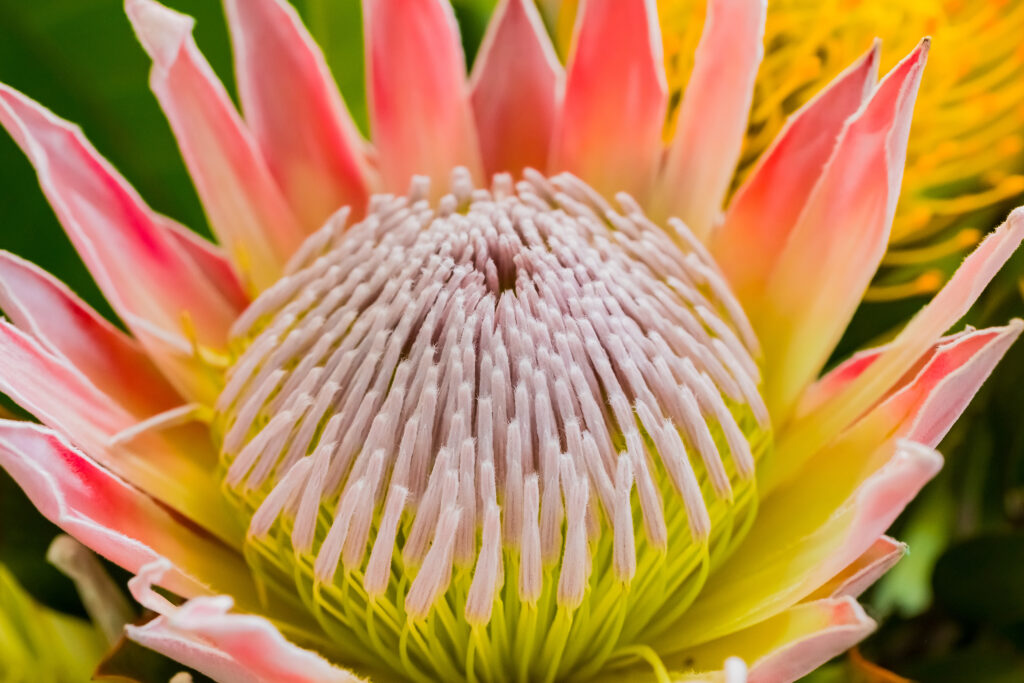
Type of plant: Flowering shrub
Family: Proteaceae
Features: Large flower head, pink bracts, fynbos habitat
The King Protea is one of the most famous South African flowers and the national flower of South Africa. Its huge flower head looks almost like a crown, which makes it easy to recognize. This species grows naturally in the Cape Floristic Region and is well adapted to poor soils and fire-prone fynbos landscapes. It is also popular worldwide as a cut flower because of its bold shape and long-lasting beauty.
2. Bird of Paradise
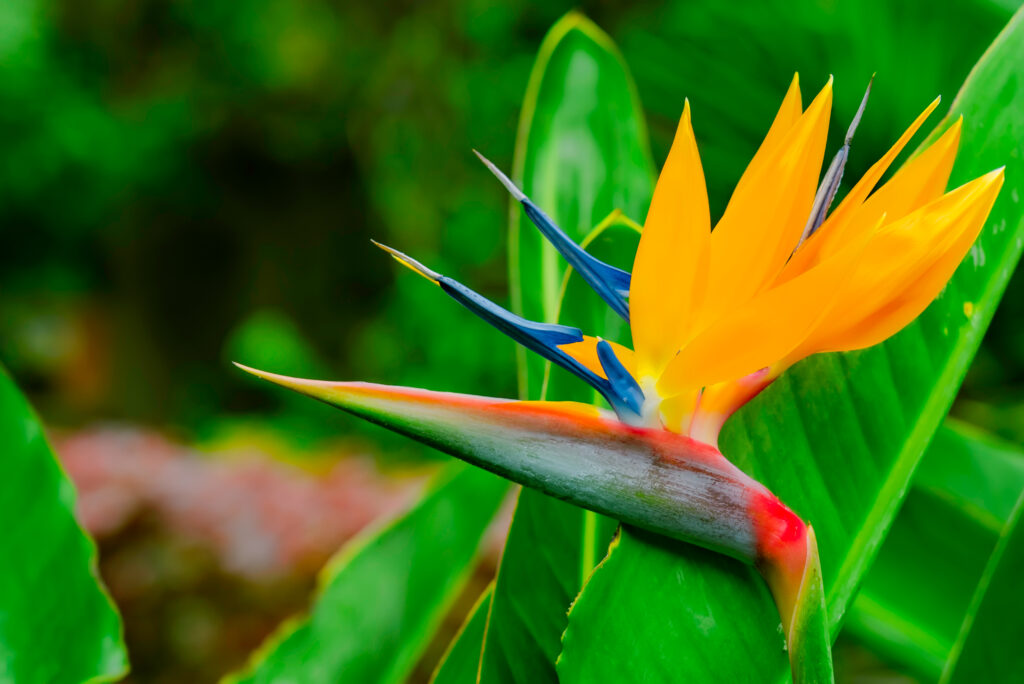
Type of plant: Perennial flowering plant
Family: Strelitziaceae
Features: Orange and blue flowers, bird-like form, evergreen leaves
Bird of Paradise, or Strelitzia reginae, is one of the most recognizable plants from South Africa. Its bright flowers look like a colorful crane or tropical bird in flight. In the wild, it occurs along parts of the eastern coast of South Africa, especially in coastal bush and thicket. Although it looks exotic, it is a tough ornamental plant and is widely grown in warm gardens around the world.
3. Baobab
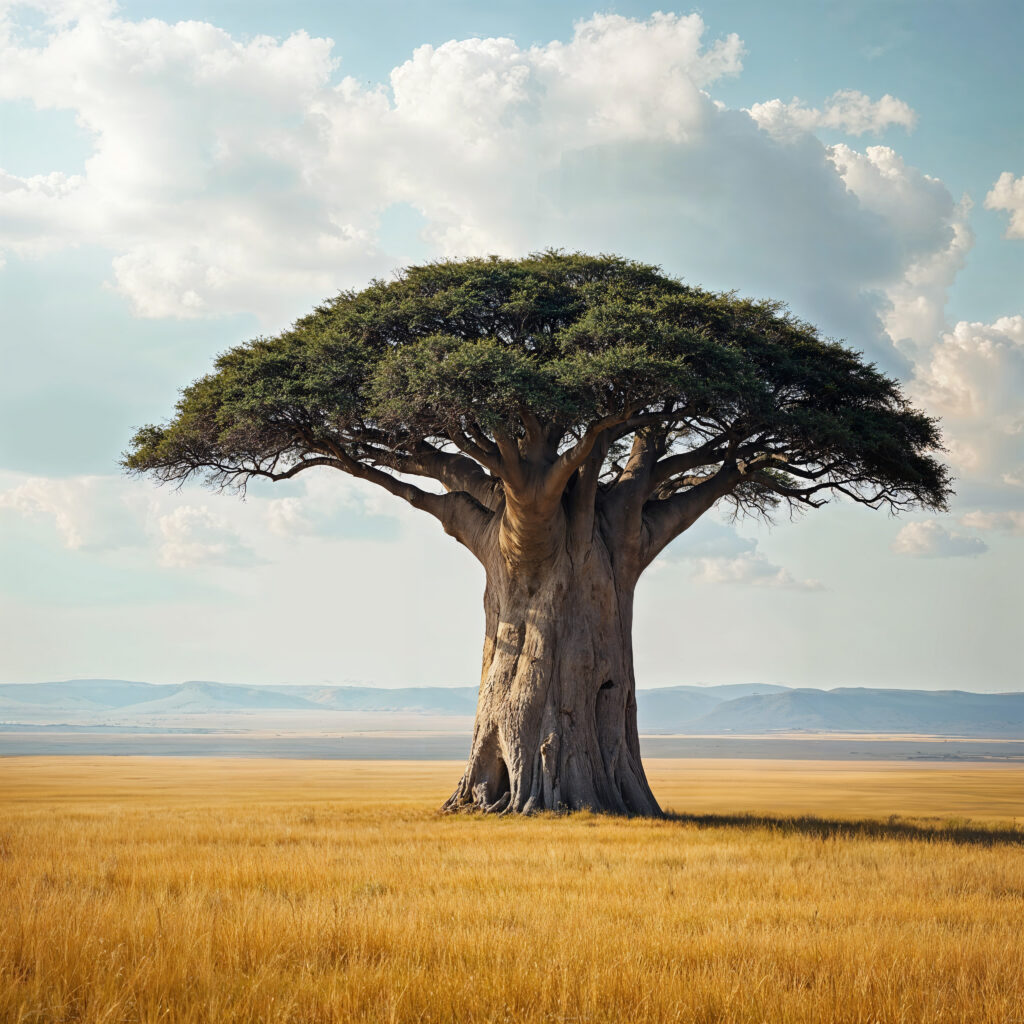
Type of plant: Tree
Family: Malvaceae
Features: Massive trunk, water storage, dry savanna habitat
The African baobab is one of the most iconic African plants. In South Africa, it is mainly associated with warm northern regions such as Limpopo and Mpumalanga. Its huge trunk can store water, helping the tree survive long dry seasons. Baobabs are often called “trees of life” because they provide food, shelter, and habitat for people, birds, insects, and animals.
4. Aloe Ferox
Type of plant: Succulent
Family: Asphodelaceae
Features: Spiny leaves, tall flower spikes, bitter sap
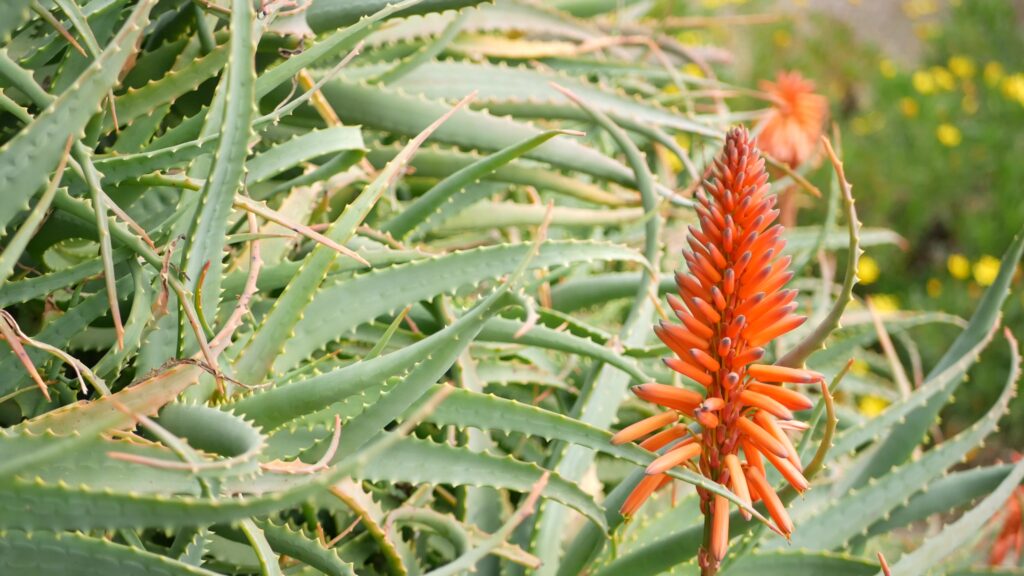
Aloe ferox, also known as bitter aloe, is one of the best-known medicinal plants in South Africa. It has thick, spiny leaves and tall red-orange flower spikes that attract birds and insects. The bitter sap and inner leaf gel have long been used in traditional and commercial products. This drought-tolerant plant grows in a variety of habitats, including fynbos, grassland, thicket, and karoo edges.
5. Spekboom
Type of plant: Succulent shrub
Family: Didiereaceae
Features: Small fleshy leaves, red stems, carbon-storing ability
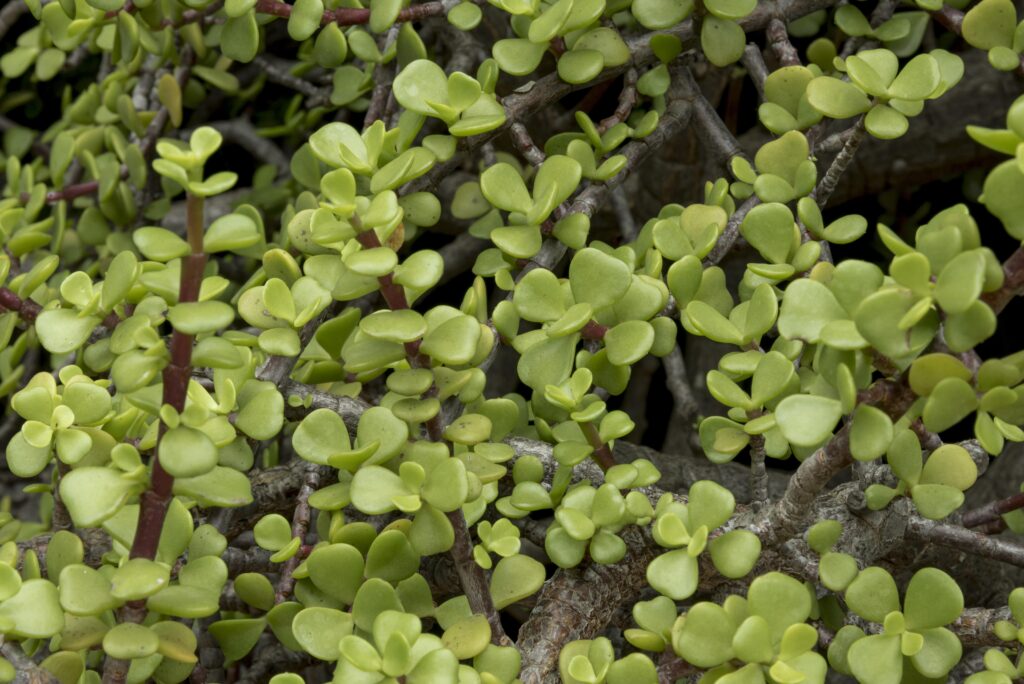
Spekboom, or Portulacaria afra, is a remarkable succulent shrub strongly associated with South African thicket landscapes. Its small round leaves are edible and have a sour, tangy taste. Elephants, tortoises, antelope, and other animals feed on it in the wild. Spekboom is also valued in restoration projects because it can help stabilize soil and store carbon efficiently in dry environments.
6. Flame Lily
Type of plant: Climbing flowering plant
Family: Colchicaceae
Features: Red-yellow curled petals, climbing stems, toxic parts
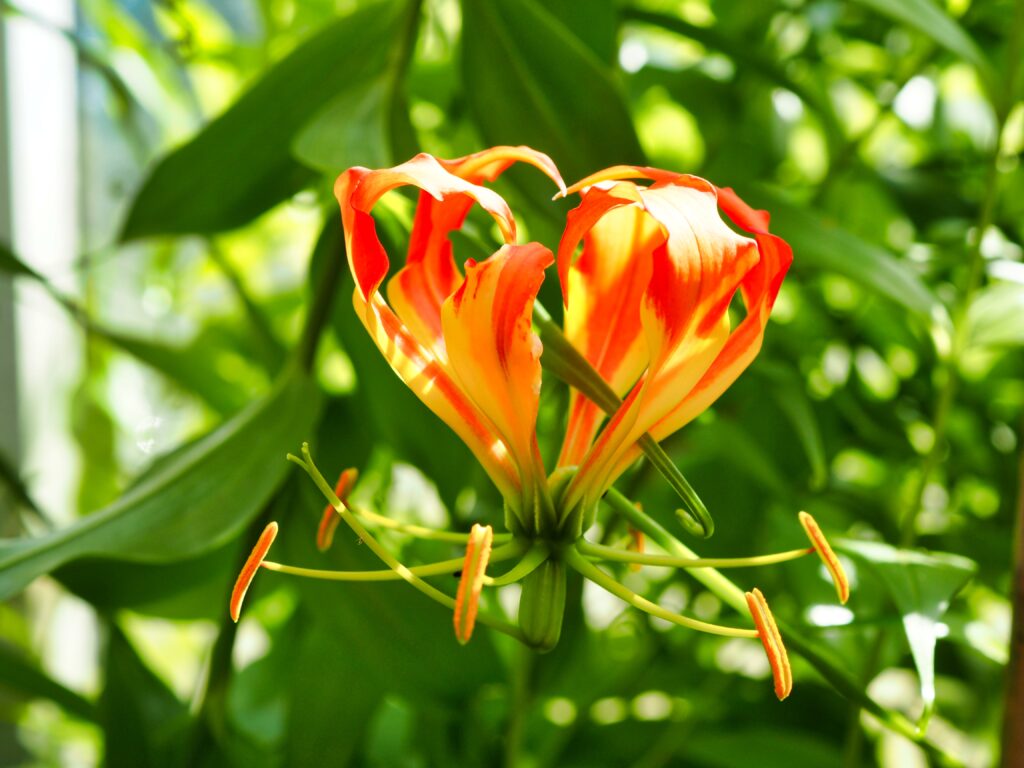
The Flame Lily is one of the most dramatic African plants and flowers. Its petals curve backward like flames, creating a bright red and yellow display. It grows in several South African provinces and also occurs more widely across tropical and southern Africa. While beautiful, it must be handled with care: all parts of the plant, especially the tubers, are highly poisonous if eaten.
7. Silver Tree
Type of plant: Tree
Family: Proteaceae
Features: Silvery leaves, Cape Peninsula endemic, vulnerable status
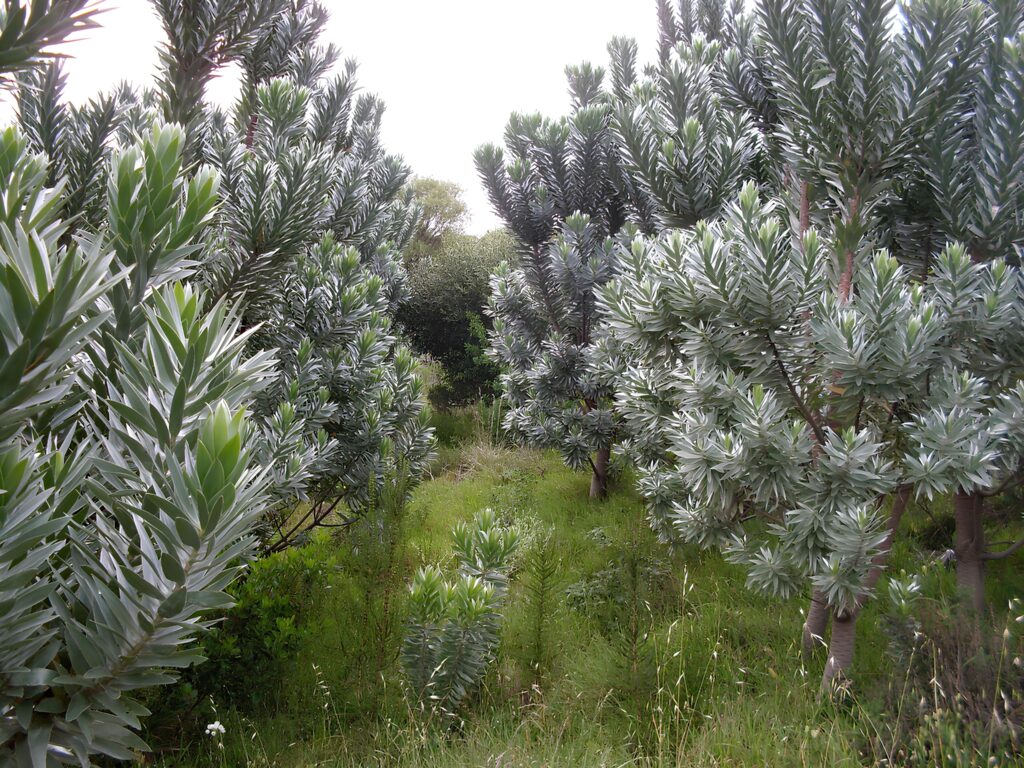
The Silver Tree, or Leucadendron argenteum, is a striking tree native to the Cape Peninsula. Its leaves are covered with fine silky hairs, giving the whole tree a shimmering silver appearance in sunlight. This species is closely linked to fynbos habitats around Table Mountain and nearby areas. Because its natural range is small and fragmented, it is considered vulnerable on the SANBI Red List and needs careful conservation.
8. Clivia
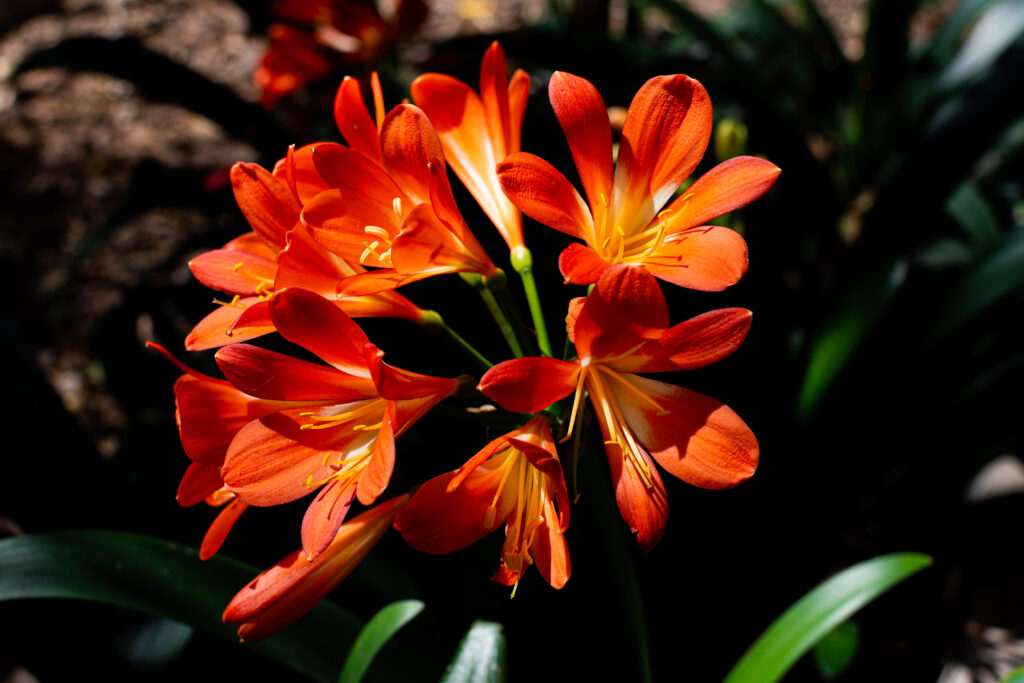
Type of plant: Flowering perennial
Family: Amaryllidaceae
Features: Orange flowers, strap-like leaves, shade tolerance
Clivia is a beloved South African flower often grown in shaded gardens and indoor containers. Clivia miniata produces clusters of orange, red, or yellow flowers above glossy green leaves. Unlike many sun-loving South African plants, clivias prefer forest shade, humus-rich soil, and protected conditions. In the wild, some populations are vulnerable because of harvesting and habitat pressure.
9. Lithops
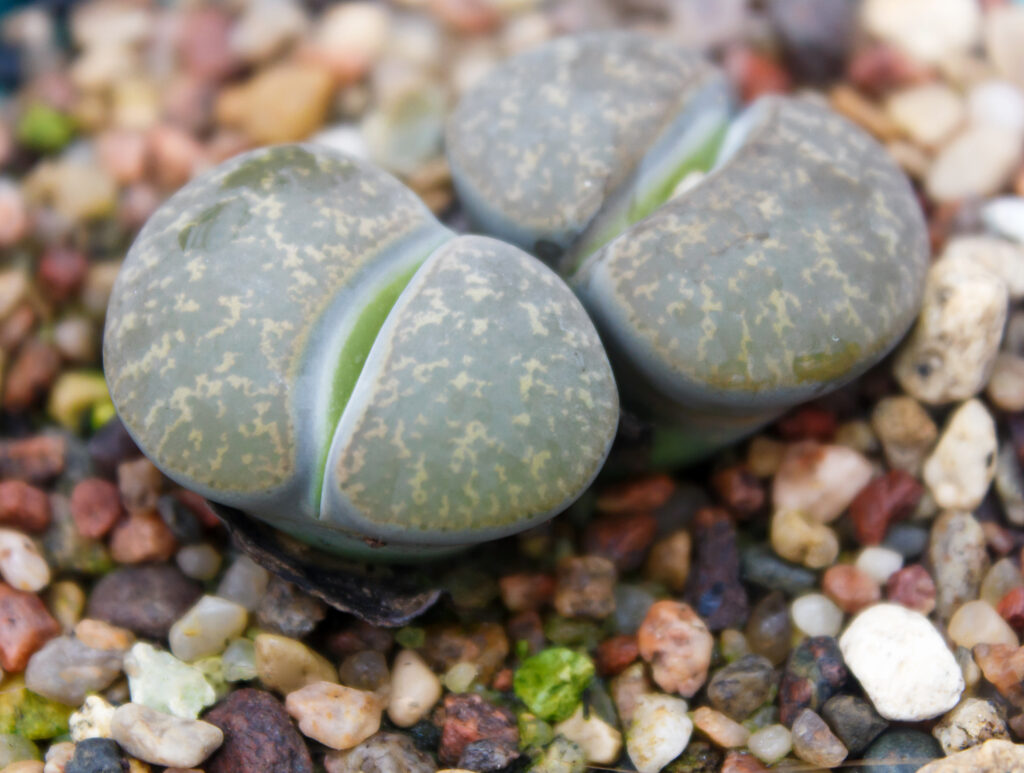
Type of plant: Succulent
Family: Aizoaceae
Features: Stone-like leaves, tiny flowers, drought adaptation
Lithops are among the strangest and most fascinating South Africa native plants. Often called “living stones,” they look like small pebbles, which helps them blend into rocky desert habitats and avoid being eaten. Their paired fleshy leaves store water, while small daisy-like flowers appear from the center. Lithops are especially popular with succulent collectors because of their unusual shapes, colors, and patterns.
10. Rooibos
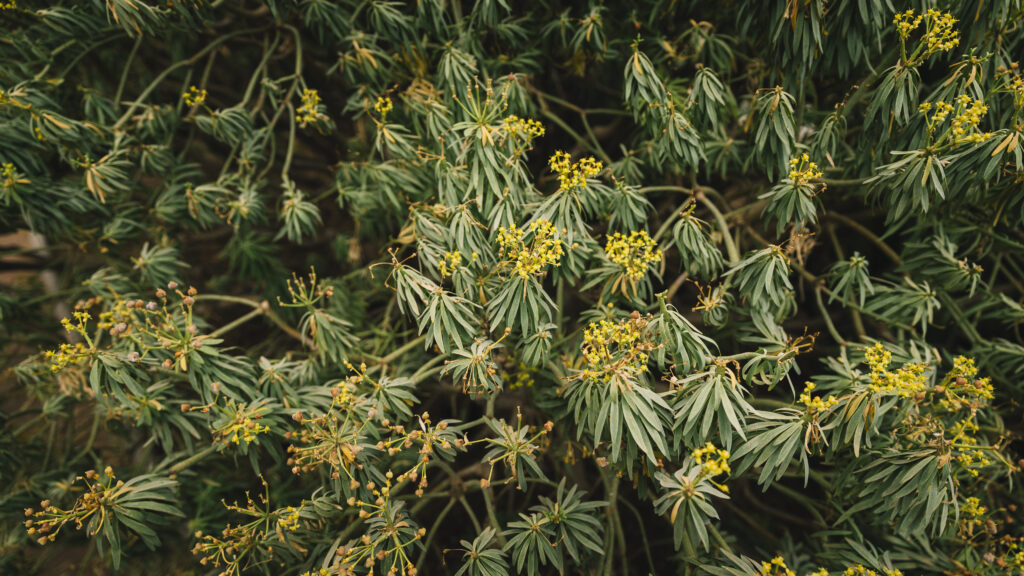
Type of plant: Shrub
Family: Fabaceae
Features: Needle-like leaves, tea production, Western Cape origin
Rooibos, or Aspalathus linearis, is one of the most famous plants from South Africa. It grows naturally in the Western Cape and is especially associated with the Cederberg region. Its fine leaves are harvested and processed to make caffeine-free rooibos tea. The plant is economically important and culturally significant, while wild rooibos habitats also highlight the importance of sustainable land use.
11. Snow Protea
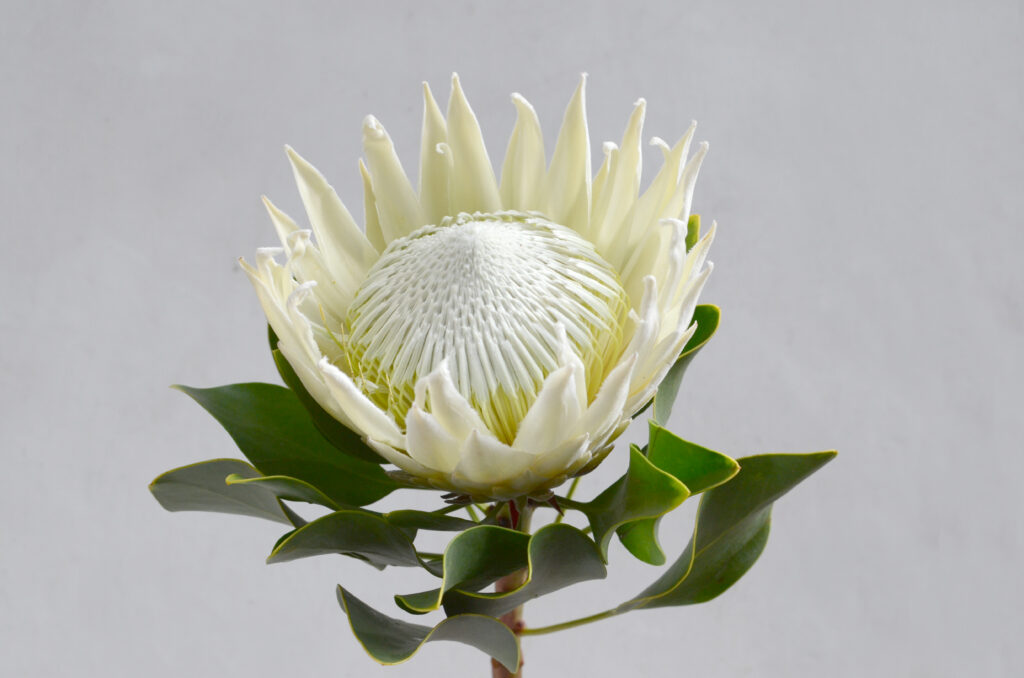
Type of plant: Flowering shrub
Family: Proteaceae
Features: Pale flower heads, high-altitude habitat, vulnerable species
Snow Protea, also called Snowball Protea, is a rare South African protea found in the Cederberg Mountains. It grows at high elevations on rocky ledges and screes, where winters can be cold and snowy. This species is slow to mature and sensitive to frequent fires, making conservation especially important. Its restricted mountain habitat makes it one of the most special rare African flowers to know.
12. African Daisy
Type of plant: Flowering plant
Family: Asteraceae
Features: Daisy-like flowers, bright colors, garden popularity
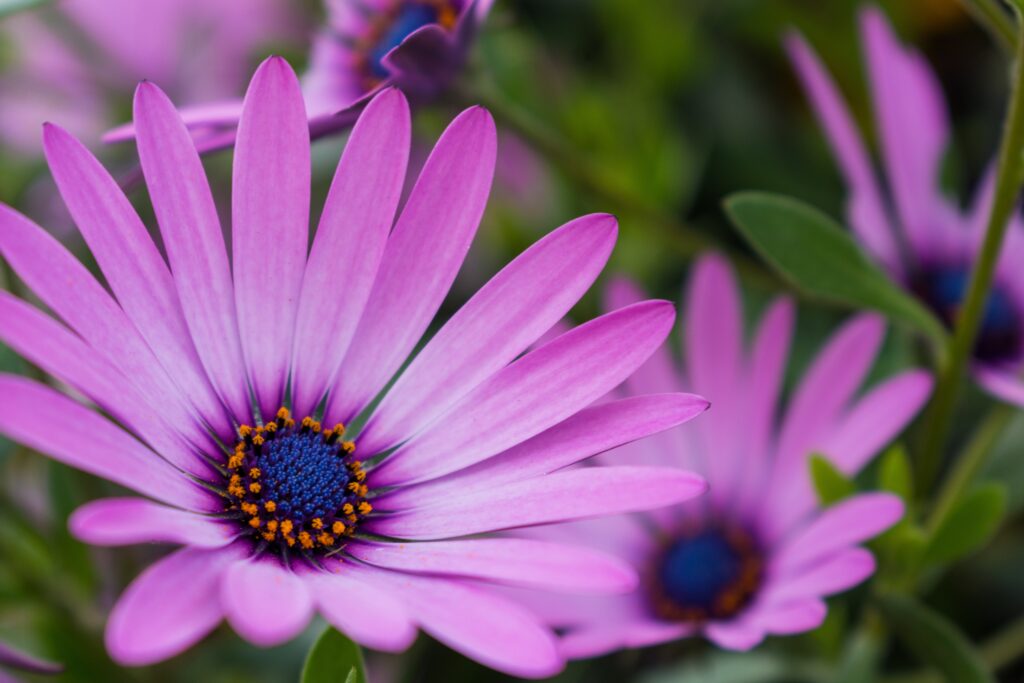
African Daisy is a common name used for several plants, especially species in the genus Osteospermum. These South African flowers are loved for their colorful, daisy-like blooms in shades of white, purple, yellow, orange, and pink. Many species are drought-tolerant and thrive in sunny conditions. Because the name is broad, it is best to identify the exact Osteospermum species when discussing wild plants.
Conclusion
South Africa plants are famous for their variety, beauty, and resilience. Some, like the King Protea and Rooibos, are strongly tied to South African identity. Others, such as Lithops, Spekboom, and Aloe ferox, show incredible adaptations to dry conditions. From rare mountain proteas to garden favorites like Bird of Paradise and African Daisy, plants in South Africa reveal one of the richest botanical landscapes on Earth.
FAQ
What plants grow in Africa?
Africa has a huge range of plants, including baobabs, aloes, acacias, grasses, succulents, palms, proteas, and many flowering shrubs. The exact species depend on the region, climate, soil, and habitat.
What plants are native to South Africa?
Native South African plants include King Protea, Bird of Paradise, Aloe ferox, Spekboom, Rooibos, Lithops, Silver Tree, Clivia, and many fynbos species. Some are endemic to South Africa, while others also occur in neighboring southern African countries.
What is the most famous South African flower?
The King Protea is probably the most famous South African flower because it is the national flower of South Africa. It is known for its large flower head, strong structure, and close connection to the Cape fynbos biome.