
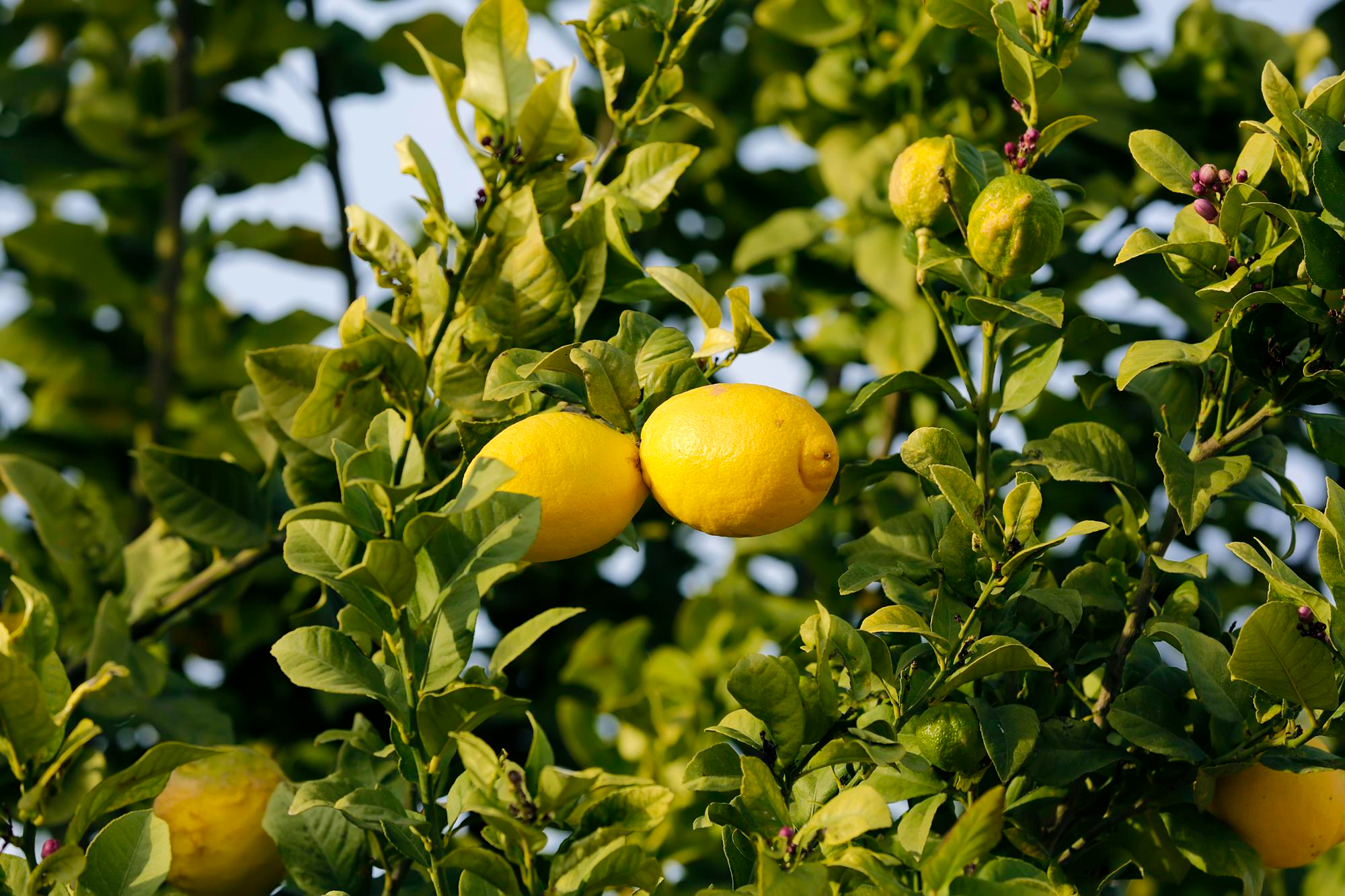
Lemon tree care is easier when you focus on six basics: strong light, consistent watering, fast-draining soil, suitable temperatures, regular feeding, and light pruning. Whether you are learning how to care for a plant outdoors or how to take care of a lemon tree in a pot, the goal is the same: keep roots and foliage healthy.
Start by matching water and light to the conditions. This approach applies when deciding how to take care of lemon tree plants through seasonal changes.
| Care factor | Practical target | What to watch |
| Light | 6+ hours of direct sun daily | Weak growth, poor flowering |
| Water | Deep watering after the upper soil begins to dry | Wilt or persistently wet soil |
| Soil | Loose, well-draining mix | Standing water, compacted roots |
| Temperature | Warm, frost-protected conditions | Cold injury, leaf drop |
| Feeding | Citrus fertilizer during active growth | Yellowing, weak growth |
| Pruning | Light shaping and damaged-wood removal | Crowded or broken branches |
How to Care for a Lemon Tree: 6 Essential Tips
Healthy growth and fruiting depend on balance. Too little sun limits growth, while excess water can deprive roots of oxygen. A good lemon plant care routine should change with the season, the tree’s size, and whether it grows indoors or outside.
1. Give Your Lemon Tree Plenty of Sunlight
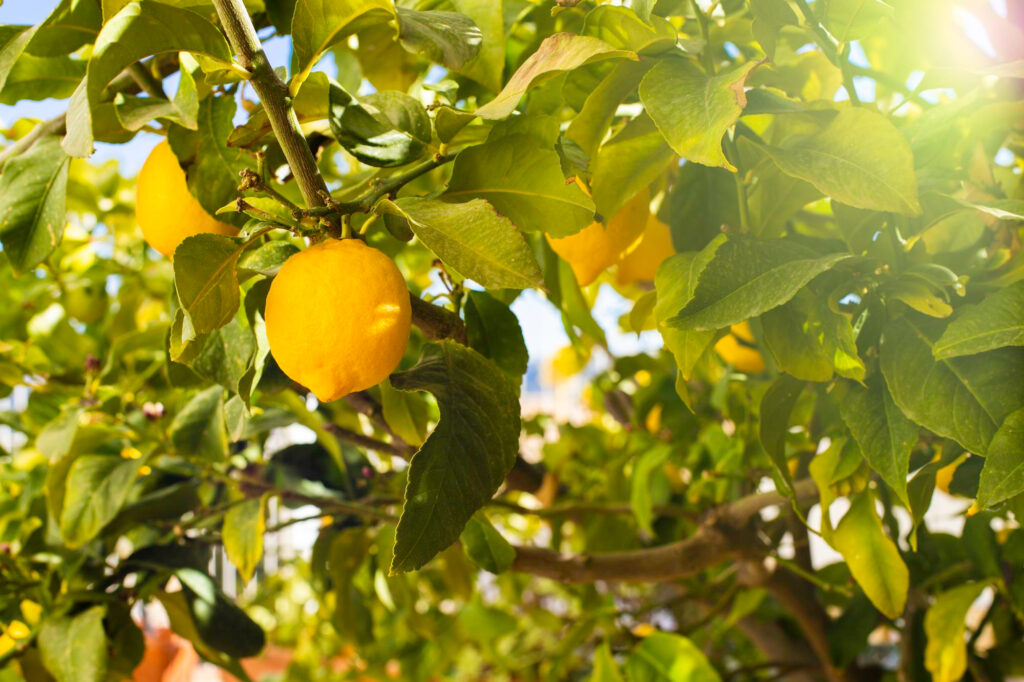
These plants do best in a bright location with plenty of direct sunlight. Aim for at least six hours per day. A south- or southwest-facing position often works well for container plants. Indoors, place the tree near the brightest window and rotate the pot occasionally. University of California Agriculture and Natural Resources guidance for growing citrus in pots recommends at least six hours of sun daily.
2. Water Your Lemon Tree Correctly
There is no universal watering schedule. Check the soil instead. Water when the upper layer has started to dry, then soak the root zone thoroughly and allow excess water to drain. Never leave a potted lemon sitting in water. Outdoor trees usually need deeper, less frequent irrigation than small containers.
The University of Arizona Cooperative Extension advises wetting the citrus root zone deeply; it also notes that leaf curling can be an early sign of water stress.
3. Choose the Right Soil and Pot
For a container tree, use a quality potting mix that drains well while holding some moisture. Avoid dense garden soil in pots because it can compact around the roots. Choose a container with drainage holes and increase pot size gradually.
Outdoors, avoid low spots where water remains after rain. Good drainage is one of the most important safeguards against root problems.
4. Keep Your Lemon Tree at the Right Temperature
Lemons prefer warmth and can be damaged by frost. Container plants are easier to protect because they can be moved indoors or into a sheltered area before cold weather. Keep indoor trees away from freezing drafts and hot radiators.
Sudden changes in temperature and light may trigger leaf drop, so move plants between indoor and outdoor conditions gradually.
5. Feed Your Lemon Tree Regularly
Regular feeding supports leaves, flowers, and fruit. Use a fertilizer formulated for citrus and follow the label rate rather than adding extra fertilizer to force faster growth. Container trees may need nutrients more often because repeated watering can wash minerals from the mix.
Persistent yellowing can point to nutrient imbalance, but it may also be linked to watering or root stress.
6. Prune Your Lemon Tree
It usually needs only modest pruning. Remove dead, broken, rubbing, or badly positioned branches, and remove shoots growing from below the graft union if the tree is grafted.
Light thinning can improve airflow, but avoid removing a large part of the canopy at once because heavy pruning can reduce flowering and expose branches to intense sun.
How to Grow a Lemon Tree in a Pot
If you are deciding how to care for these plants in containers, start with drainage and light. Use a pot with drainage holes, a free-draining mix, and enough room for the current root ball. Water thoroughly after planting, then monitor moisture instead of following a fixed schedule.
- Keep the pot in the brightest suitable location.
- Check soil moisture before watering.
- Empty standing water from saucers or cachepots.
- Feed during active growth according to the product label.
- Repot when roots become crowded or the mix no longer drains normally.
UC Agriculture and Natural Resources also notes that container citrus may need fresh soil and periodic repotting as the potting mix is gradually depleted.
Common Lemon Tree Pests and Diseases
Aphids, scale insects, mealybugs, mites, and whiteflies can affect citrus. Check leaf undersides, stems, and new shoots for insects, sticky honeydew, distorted growth, or dark sooty mold. UC Integrated Pest Management explains that sooty mold often grows on honeydew produced by sap-feeding pests such as aphids and scale insects.
Yellow leaves can have several causes, including nutrient deficiency, cold soil, root stress, or watering problems. Before treating a symptom, inspect soil moisture, drainage, recent temperature changes, insects, and the pattern of discoloration. Correct identification helps avoid unnecessary treatment.
How and When to Harvest Lemons
Lemons are generally ready when they have reached full size, developed mature color, and feel firm rather than hard. Because ripening varies by cultivar and temperature, test one fruit if you are unsure. Check its juice, aroma, and flavor.
Use clean pruners or twist the fruit gently without tearing the branch. Avoid pulling hard on clusters, which can damage fruiting wood.
FAQ
How often should you water a lemon tree?
Water when the upper soil begins to dry, then soak thoroughly. Frequency varies with weather, season, pot size, and location.
How much sunlight does a lemon tree need?
Aim for at least six hours of direct sunlight daily, with the brightest practical location for flowering and fruiting.
Can a lemon tree grow indoors?
Yes, if it receives very bright light, good drainage, careful watering, and protection from temperature extremes.
Can you grow a lemon tree in a pot?
Yes. This is especially useful in colder climates because the tree can be moved to shelter.
What is the best soil for a lemon tree?
Use fertile, well-drained soil. In containers, choose a light potting mix rather than dense garden soil.
Why are my lemon tree leaves turning yellow?
Possible causes include watering problems, nutrient deficiencies, cold conditions, root stress, or pests. Check the whole growing environment before making changes.