Determining the name of a flower can seem like a guessing game. But it doesn’t have to be. This guide covers the basics of flower identification, from petals to roots. You’ll learn to read plant parts and match them to the species.
Correctly identifying a flower’s name doesn’t just help settle a dispute with a friend. It influences how you water the plant and where you place it. It also warns you when a species is poisonous to a dog or a curious toddler. Many harmless flowers have dangerous lookalikes. The steps and tables below will help you distinguish them.
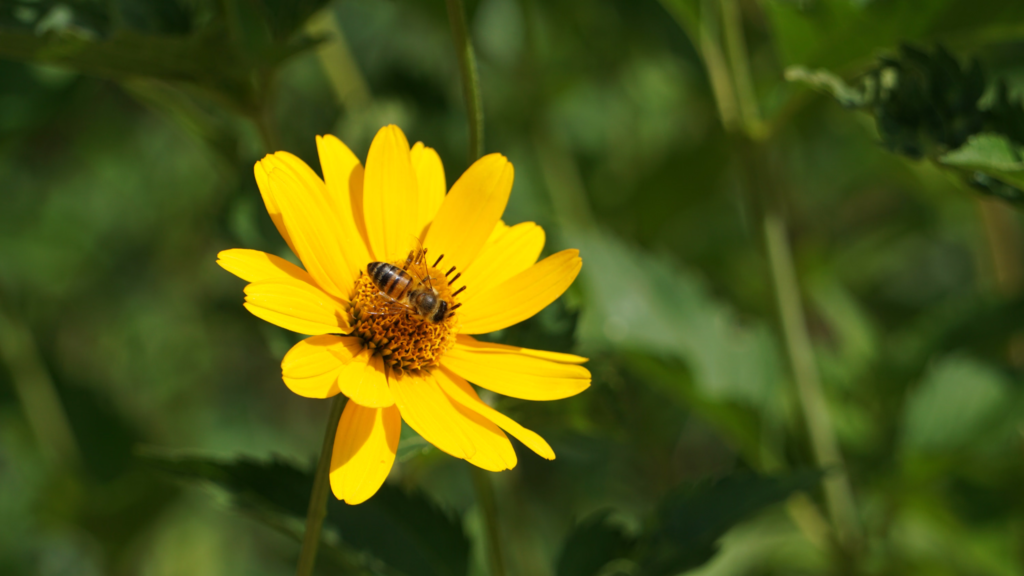
How to Identify a Flower – Manual Instructions
Most people want to know what flower identification is before they try it. In short, you identify a plant’s species by reading visible clues. No single clue works on its own. You collect several and compare them to what you already know.
It’s helpful to work in a specific order. First, look at the plant as a whole, and then save the fine details for last. Here’s how to identify a flower in a few simple steps.
Examine the Flower’s General Appearance
The first step in identifying a flower’s species is to carefully examine it as a whole. Step back a bit and note its height and overall shape. The plant may be tall and slender or short and bushy. It may climb a fence, creep along the ground, or grow straight up.
This characteristic alone rules out many species. A low-growing wildflower looks nothing like a tall climbing vine. Commit this first impression to memory before moving closer.
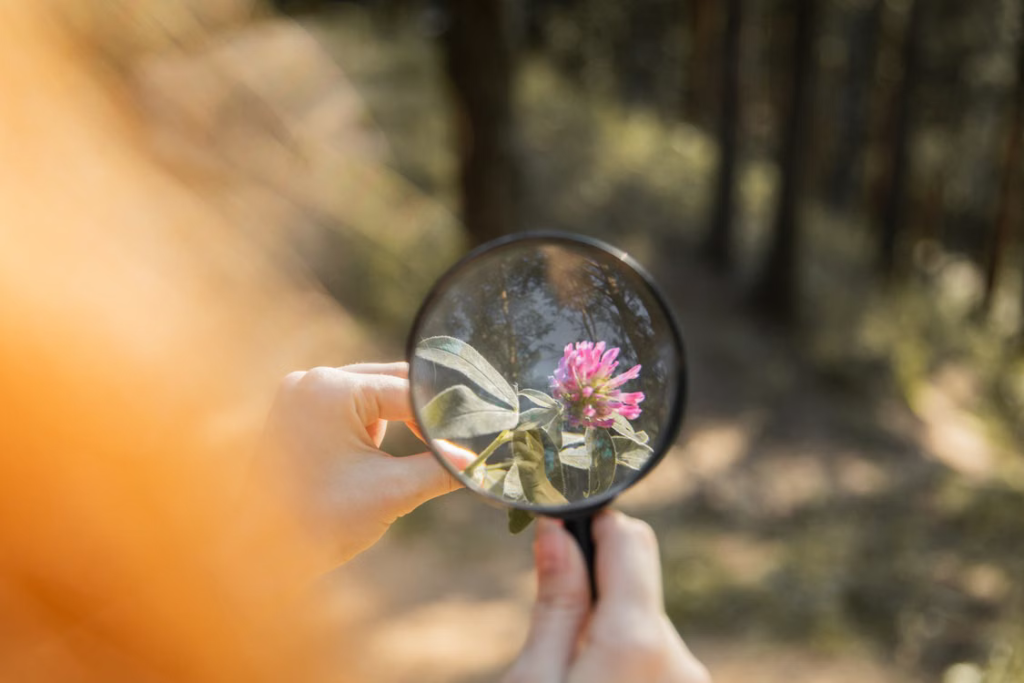
Focus on Distinctive Characteristics
Based on the flower’s shape, move on to the details. You can identify flowers by the small parts that vary between species:
- Petals — their number, shape, color, and arrangement
- Flower center — the stamens, pistil, and any markings
- Leaves — their outline, edges, veins, and how they attach to the stem
- Stem — its thickness, color, and whether it is hairy or smooth
- Bloom time — the month or season when it opens
- Scent — sweet, musty, weak, or absent
- Grouping — a single flower or inflorescence on a single stem
Comparing several of these characteristics provides the most reliable match.
Use the Growing Environment as an Identification Clue
A plant’s growing location and environmental factors can reveal a lot about it. This can help you identify a flower when appearance alone isn’t certain. Moist soil, dry sand, shade, and direct sun — different plant types thrive in different conditions.
Imagine a purple flower in a damp northern meadow. These conditions already eliminate most desert species from the list. Soil type, rainfall, and altitude further narrow the search.
7 Characteristics That Help Identify Flowers
Accurate flower identification relies on several characteristics simultaneously, rather than a single one. Some characteristics are more important for some plants than for others. It is their combination that confirms species identity.
The table below lists the characteristics botanists check for in different plant groups.
| Characteristic | What to Examine | Applies To |
| Growth Form | Overall plant type, growth habit, and structure | All plant groups |
| Leaves or Foliage | Shape, size, color, arrangement, margins, veins | Most plant groups |
| Stems or Shoots | Color, texture, branching, thickness | Most plant groups |
| Flowers or Reproductive Parts | Flowers, cones, catkins, spores | Most plant groups |
| Growth Size & Habit | Height, spread, climbing, trailing, creeping | All plant groups |
| Habitat & Conditions | Soil, moisture, sunlight, elevation | All plant groups |
| Seasonal Appearance | Blooming, dormancy, evergreen or deciduous | Most plant groups |

Typical Characteristics Found in Flowers
Flowers share a number of common characteristics that distinguish them from ferns, cacti, and trees. These common signs make them easy to recognize. Most blooming plants have the following characteristics:
- Brightly colored petals that attract pollinators
- Reproductive organs located in the center
- Seeds that develop after the flower has bloomed
- A regular blooming period, often in spring or summer
- Broad leaves with visible veins, often
- Nectar or fragrance that attracts bees and butterflies
Petals and pollinators are the most obvious characteristics that allow you to identify a flower. These two factors have evolved together over a long period of time. A flowering plant typically combines color, fragrance, and a central seed structure. This combination is rare in other plant species — it distinguishes daisies from pine trees or ferns.
How to Identify Flowers More Accurately
A few simple habits will make your results more accurate. Keep these points in mind:
- Look at the entire plant, not only one attractive flower
- Take photos from several angles for later
- Note the date and place where you found it
- Check the leaves and stem, not just the bloom
- Compare two or three features before you decide
Beginners often focus on one characteristic and stop there. This habit often leads to mistakes when identifying similar flowers. Plants also change with the seasons. A bud in April looks completely different than a seed head in September.
Consider the habitat, season, and a number of other characteristics. This will increase your chances of correct identification.
Popular Flower Species Across the Globe
Location is one of the most useful identification features. Many species grow wild in only one climate zone and nowhere else. Once you know the region, half the possible options disappear. Native range, climate, and local habitat all narrow the list.
Check the table below to explore common flowers from different parts of the world.
| Region | Common Flowers | Typical Habitat |
| North America | Black-eyed Susan, Coneflower, California Poppy | Forests, grasslands, wetlands |
| South America | Passionflower, Heliconia, Angel’s Trumpet | Rainforests, mountains, savannas |
| Europe | Bluebell, Foxglove, Field Poppy | Woodlands, meadows, alpine regions |
| Asia | Lotus, Cherry Blossom, Chrysanthemum | Forests, mountains, tropical regions |
| Africa | Bird of Paradise, Protea, African Lily | Savannas, deserts, tropical forests |
| Australia & Oceania | Waratah, Kangaroo Paw, Banksia | Bushlands, coastal regions, eucalyptus forests |
FAQ
How do I identify a flower with no bloom?
Focus on the leaves, stem, and location. The shape and edges of the leaves can still tell a lot.
What’s the quickest way to name a wildflower?
Start with its color and shape. Then check the region where it grows. The local habitat often provides the answer.
Can two flowers look identical?
Yes, some relatives are almost identical. Compare the leaf pattern and scent. These small details usually distinguish them from each other.
Do I need special equipment for identification?
No. Your eyes and a phone camera are enough in most cases. A cheap hand lens will help with examining very small details.
Explore More Plant Identification Guides
Discover the Latest Blog Posts
- Lemon Tree Care: 6 Tips for Growing a Healthy Tree
 Lemon tree care is easier when you focus on six basics: strong light, consistent watering, fast-draining soil, suitable temperatures, regular … Read more
 - Top 12 South Africa Plants: Native Flowers, Trees, and Succulents to Know
 South Africa is one of the world’s most exciting places for plant diversity. From fynbos-covered mountains to dry savannas, coastal … Read more
 - Best Trees for Landscaping
 Trees are important elements of garden design. In addition to a natural accent or background to other plants, they provide … Read more
 - 12 Best Summer Flowers For Your Garden
 A garden that loses its vibrant colors by July can be a disappointment. The secret is choosing plants that thrive … Read more