
Unwanted plants pop up everywhere in lawns, flower beds, and vegetable gardens. They quickly steal water, sunlight, and soil nutrients from your garden. Understanding what weed identification is and doing it correctly is the first step toward caring for your yard. Accurate weed identification helps you pick the right solution immediately, saving time and keeping nearby plants healthy.
This guide breaks down simple ways to identify a weed using basic plant parts, leaf shapes, and growth patterns.
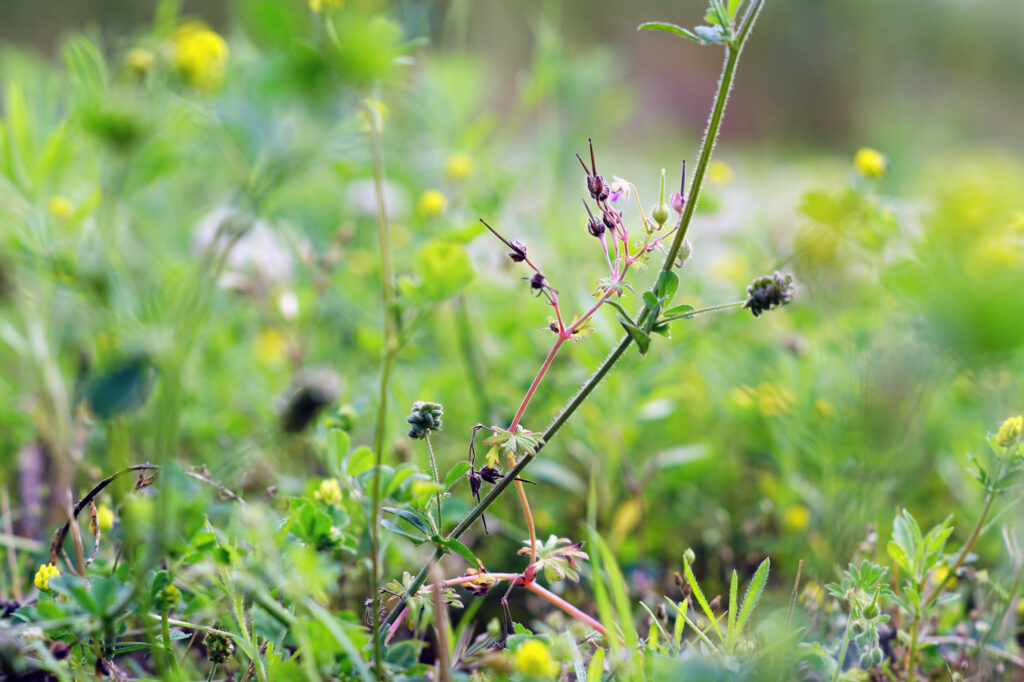
How to Identify Weeds
Identifying an unknown plant works best when you inspect it carefully from top to bottom. Avoid guessing based on a quick glance. Instead, follow the clear step-by-step process below.
Step 1. Scan the Overall Appearance
Start by looking at the overall picture. Notice how the plant sits on the ground and fills space. Weeds usually fall into three major visual groups: broadleaf plants, grassy weeds, or grass look-alikes like sedges.
Check whether the plant stands straight up, forms a flat rosette, or creeps across the ground like a mat.
Step 2. Examine the Main Identification Features
Small physical details give away a plant’s true identity. Inspect these key features when learning how to identify a weed:
- Leaves. Look at leaf attachment along the stem, edge patterns, and vein structures. Staggered leaves with jagged edges and netted veins point to broadleaf weeds like lambsquarter or dandelion, while smooth, parallel-veined leaves signal grassy weeds like crabgrass.
- Stems. Feel the stems to see if they are round, flat, or square like mint-family weeds. Note if they feel smooth, rough, or hairy. Square stems indicate weeds like henbit or ground ivy, while rough, hairy stems are typical of thistles or stinging nettle.
- Flowers. Look closely at flower color, petal shapes, and how individual blooms cluster together. Dense yellow heads signal dandelions, while tiny white blooms clustered in leaf joints indicate chickweed.
- Roots. Dig down slightly to check for a single taproot or a network of fine roots. A thick central taproot points to dandelions or wild carrots, while a dense mat of fine roots signals annual bluegrass or chickweed.
- Seeds and Runners. Check for seed pods, sticky burrs, or spreading above-ground runners and underground rhizomes. Wind-blown seed parachutes point to thistles, while creeping runners (stolons and rhizomes) signal white clover, ground ivy, or bermudagrass.
Note that one characteristic is not a guarantee of correct identification. You need to mind the combination of the features to find the true weed identity.
Step 3. Consider the Growing Environment
Where a plant grows reveals a lot about its identity. Take note of soil moisture, shade level, and ground firmness. Some weeds only take over soggy spots, while others thrive in dry, hard-packed dirt where turfgrass struggles.
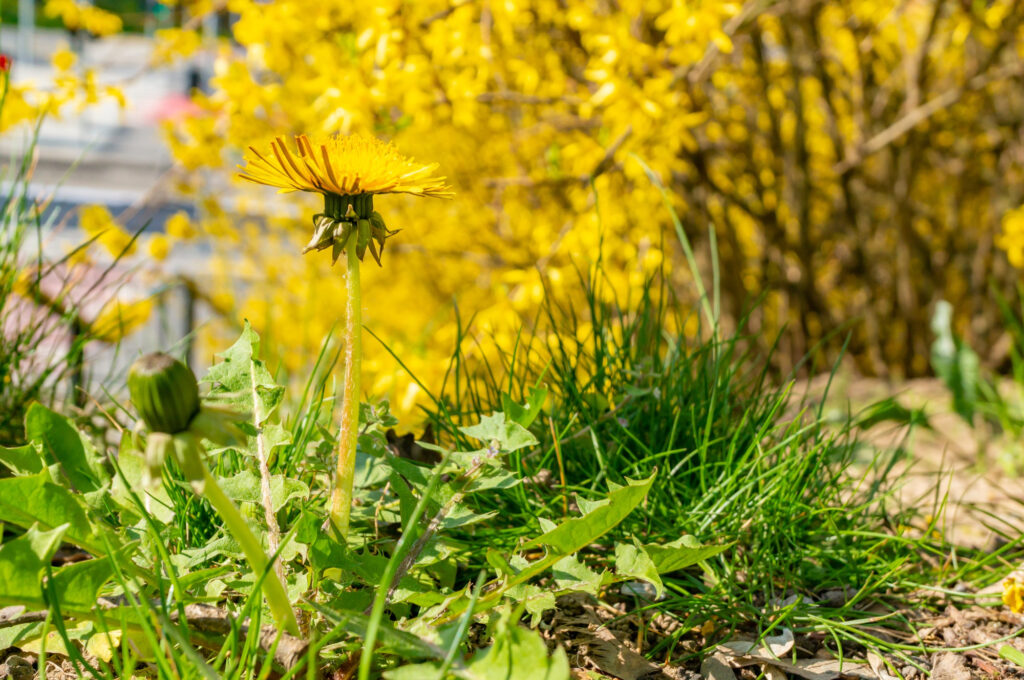
5 Key Characteristics Used to Identify Weeds
Identifying plants correctly means evaluating several clues together rather than relying on just one feature. That’s what botanical identification apps like Botan do when identifying a type of plant you snap a picture of.
Depending on the weed, there might be dominant characteristics for recognition, and we gathered all the most important ones here for you:
| Identification Characteristic | What to Examine | Applies To |
| Growth Form | Overall plant type, growth habit, life form, and structure | All plant groups |
| Leaves or Foliage | Shape, size, color, arrangement, margins, venation, texture, or foliage type | Most plant groups |
| Stems, Trunks, or Shoots | Color, texture, bark, branching pattern, thickness, or stem structure | Most plant groups |
| Flowers or Reproductive Structures | Flowers, cones, catkins, spores, or other reproductive organs | Most plant groups |
| Fruits, Seeds, or Spore Structures | Fruits, berries, capsules, cones, seed pods, spores, or other reproductive bodies | Most plant groups |
| Surface Characteristics | Spines, thorns, hairs, scales, wax, needles, areoles, or other distinctive features | Most plant groups |
| Underground Structures | Roots, bulbs, tubers, rhizomes, corms, or other underground organs | Selected plant groups |
| Growth Size & Habit | Mature height, spread, climbing, trailing, upright, clumping, or creeping growth | All plant groups |
| Habitat & Growing Conditions | Habitat, soil, moisture, sunlight, elevation, ecosystem | All plant groups |
| Geographic Distribution | Native range, climate zones, geographic occurrence | All plant groups |
| Seasonal Appearance | Flowering, fruiting, dormancy, evergreen or deciduous growth, seasonal color changes | Most plant groups |
| Distinctive Features | Unique characteristics specific to each plant group | All plant groups |
Common Characteristics of Weeds
Weeds come from many different plant families, but they share several tough traits. They produce large amounts of seeds that sprout quickly on bare dirt. Many species have long taproots or creeping stems that survive drought and regrow after being pulled. Weed seeds can also sit quietly in soil for years before sprouting.
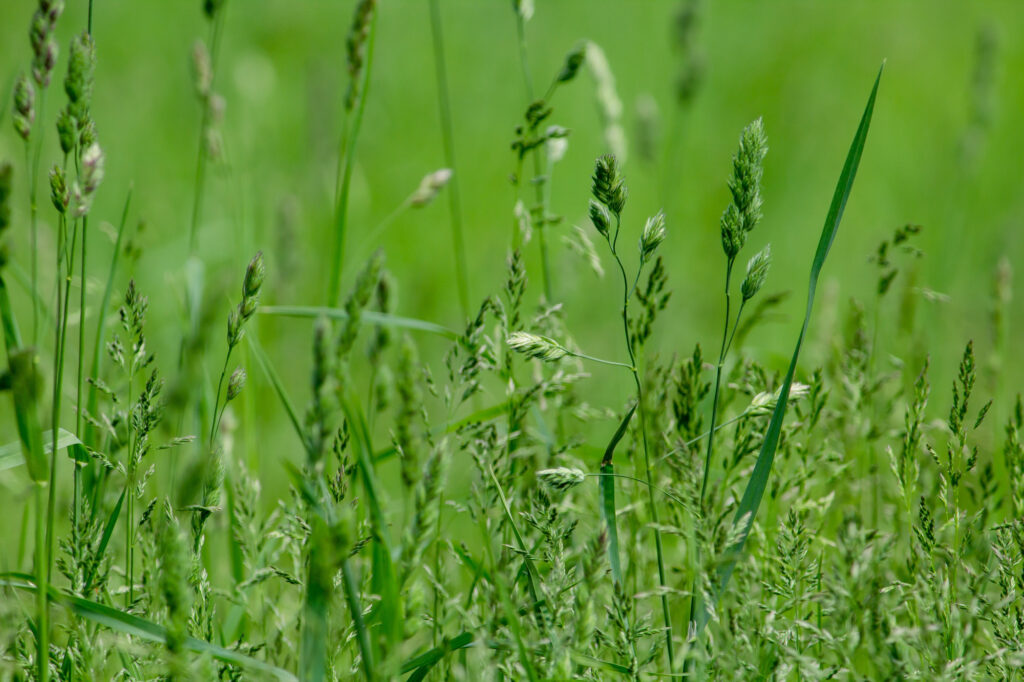
Broadleaf weeds feature wide leaves with netted veins and often produce bright flowers. Grassy weeds have long, narrow blades with parallel veins and jointed stems.
Manual weed identification is not always easy, but an AI-powered helper, like Bonan, can provide detailed plant recognition in no time. You can double-check yourself or avoid trouble overall.
Tips for Accurate Weed Identification
To avoid misidentifying plants and wasting effort, keep these field tips in mind:
- Look at older plants. Young seedlings often look alike, so wait for mature leaves or flowers to make a confident guess.
- Check beneath the ground. Dig up the base to see if you are dealing with a simple root or a spreading runner.
- Use multiple features. Try to identify weeds by combining stem shapes, leaf arrangements, and root types rather than color alone.
- Watch across seasons. Recheck the plant as seasons change, since flower shapes and seed heads offer clear visual proof.
A comprehensive approach is a must if you want to be sure that you know your weeds.
Popular Weeds Around the World
Biogeographic location plays an important role in plant identification. Many common weeds have adapted to survive only in specific regions and weather conditions.
We gathered the most common representatives from all the main regions of the world:
| Region | Common Weeds | Typical Habitat |
| North America | Common dandelion (Taraxacum officinale), broadleaf plantain (Plantago major), and crabgrass (Digitaria spp.) | Lawns, gardens, pastures, and bare dirt |
| South America | Goosegrass (Eleusine indica), hairy beggarticks (Bidens pilosa), Brazilian pusley (Richardia brasiliensis) | Fields, roadsides, as well as warm garden beds |
| Europe | Stinging nettle (Urtica dioica), creeping thistle (Cirsium arvense), and chickweed (Stellaria media) | Meadows, damp soils, and farmland |
| Asia | Cogongrass (Imperata cylindrica), barnyardgrass (Echinochloa crus-galli), and Asian copperleaf (Acalypha australis) | Field edges, ditches, as well as urban alleys |
| Africa | Witchweed (Striga asiatica), parthenium weed (Parthenium hysterophorus), and nut sedge (Cyperus rotundus) | Dry fields, pastures, and bare ground |
| Australia & Oceania | Fireweed (Senecio madagascariensis), Paterson’s curse (Echium plantagineum), and flatweed (Hypochaeris radicata) | Pastures, open bush, as well as sandy soil |
FAQ
Why does getting the exact weed name matter?
Treatment methods depend on the specific plant type. Weed killers made for broadleaf weeds will not affect grassy weeds. Pulling a plant with underground tubers can also cause it to spread if roots remain behind.
How can I tell grassy weeds apart from sedges?
Remember the common phrasing that sedges have edges. Roll the stem between your fingers to check the shape. Sedges have solid, triangular stems with noticeable corners, while true grasses have round or flattened stems with hollow centers.
Do wild weeds ever help the garden?
Yes, certain weeds offer ecological benefits. Deep taproots pull up minerals from lower soil layers and break up hard clay. They also prevent bare topsoil from washing away during heavy rain.
Explore More Plant Identification Guides
Discover the Latest Blog Posts
- Lemon Tree Care: 6 Tips for Growing a Healthy Tree
 Lemon tree care is easier when you focus on six basics: strong light, consistent watering, fast-draining soil, suitable temperatures, regular … Read more
 - Top 12 South Africa Plants: Native Flowers, Trees, and Succulents to Know
 South Africa is one of the world’s most exciting places for plant diversity. From fynbos-covered mountains to dry savannas, coastal … Read more
 - Best Trees for Landscaping
 Trees are important elements of garden design. In addition to a natural accent or background to other plants, they provide … Read more
 - 12 Best Summer Flowers For Your Garden
 A garden that loses its vibrant colors by July can be a disappointment. The secret is choosing plants that thrive … Read more