
If you want to learn to identify species of bushes with confidence, it may not be enough just to study the leaves. Shrub identification works best when you compare the growth habit of the plant with its smaller structural details. In this guide, we explain the most efficient way to recognize particular species by their visible features and habitat.
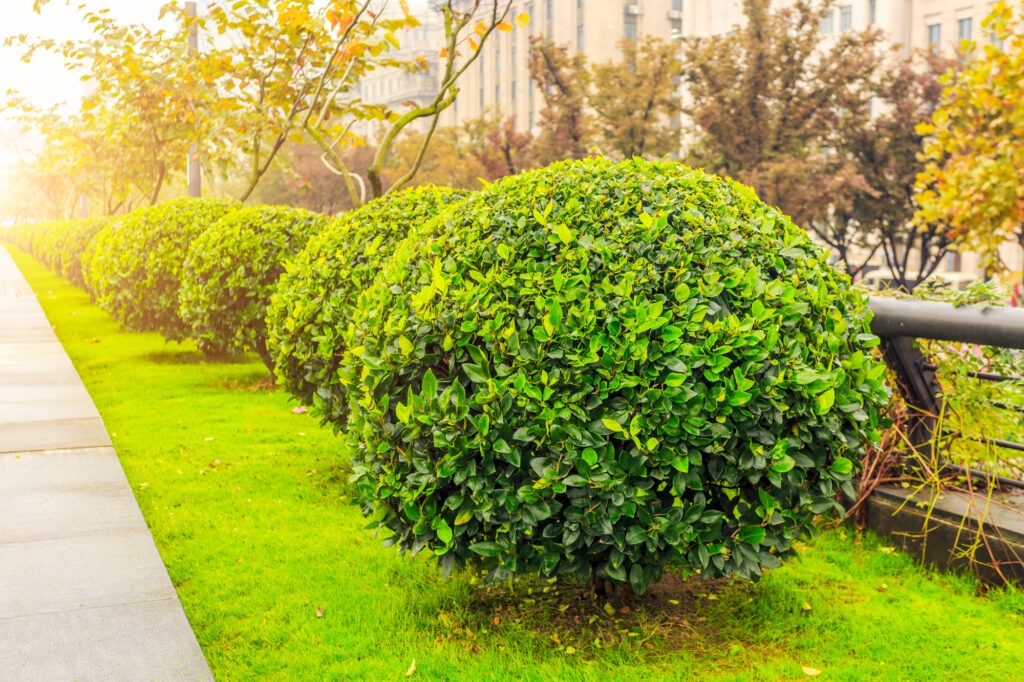
A Step-by-Step Method for Shrubs Identification
The best strategy to ensure you are looking at the particular shrub is to scale from the whole plant to its smallest visible parts. Such a strategy will ensure that one striking feature does not mislead you.
Start With the Plant’s Shape and Growth Habit
The very first thing to do is to stand back and study the outline. Most shrubs have several woody stems that rise near ground level. On the contrary, a typical tree develops one dominant trunk.
You should also pay attention to how the plant grows: upright or spreading. Branches deserve an additional check. Look closely and see whether they arch or form a dense mound.
Check the Leaves, Twigs, and Bark
If you want to know how to identify a shrub precisely, examine how leaves attach to the stem. They may grow opposite each other or alternate along the twig. Check whether each leaf is simple or divided into leaflets.
Meanwhile, inspect young twigs and older bark. Bud shape and thorns can separate species with similar foliage. On top of that, peeling bark may provide another useful hint.
Use Flowers, Fruits, and Seasonal Clues
Flowers can reveal bloom shape and cluster position. Later, berries or dry seed structures may provide even stronger evidence. A leafless shrub can still be identified. This is because winter buds and twig arrangements often remain visible after deciduous foliage has fallen.
Confirm the Habitat and Geographic Range
Record the light level and soil moisture around the shrub. After that, check whether the species occurs naturally in that climate or is commonly cultivated there. Location narrows the possibilities, although it doesn’t prove an exact identification since imported plants can grow far outside their native range.
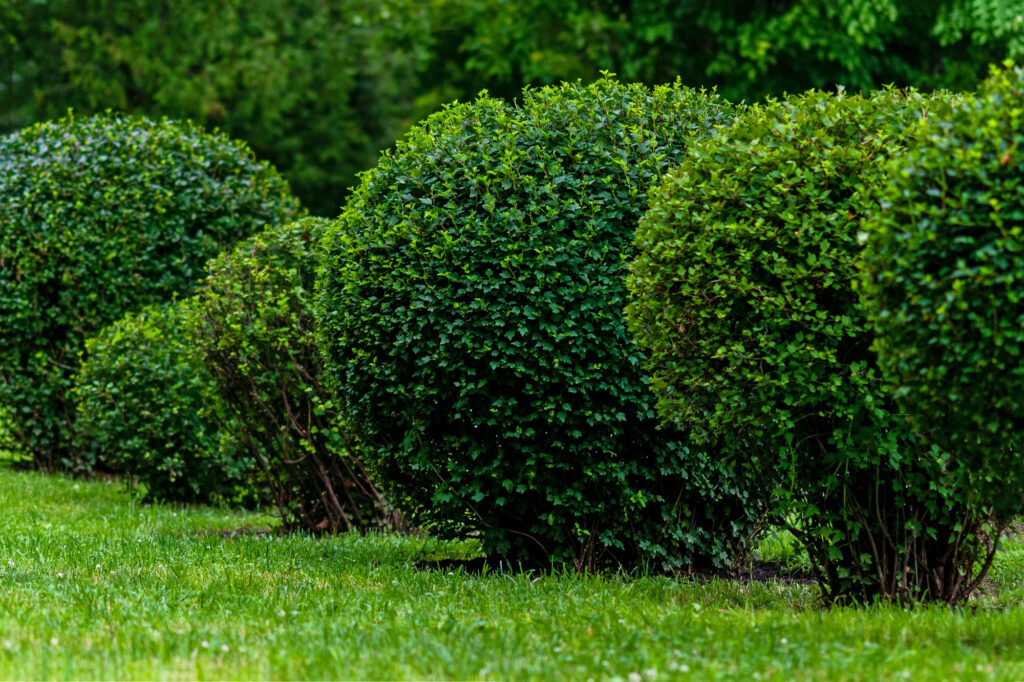
6 Features that Make Shrub Identification More Reliable
Accurate identification depends on several common characteristics. One feature may suggest a genus, while another rules it out. So, never analyse a plant based just on a single feature.
| Identification feature | What to examine | Why it is relevant |
| Growth habit | Stem number, overall outline | Separates shrubs from trees |
| Leaves | Arrangement, shape | Useful during the growing season |
| Twigs and bark | Bud position, surface texture | Valuable without flowers |
| Flowers | Bloom form, cluster position | Often narrows the plant family |
| Fruits or seeds | Fruit type, attachment | Helps confirm mature plants |
| Season and habitat | Evergreen status, local range | Tests whether a match is plausible |
A reliable result should match several rows. If you notice a major feature conflict, you should keep comparing until you are completely sure about what you are looking at.
Common Shrub Characteristics
Here, you should remember that a shrub is a growth form and not a single botanical family. It is woody and usually has branches close to the ground. In fact, shrubs are basically plants with a lasting framework of woody stems.
Unlike herbaceous plants, shrubs don’t die back completely each year. They also tend to lack the single clear trunk that can be found on a typical tree. However, some species can develop as either form.

Tips for More Accurate Shrub Identification
Many searches begin with “identify shrub by leaf”, but one piece rarely confirms a species.
Study the full plant whenever possible:
- Photograph the entire shrub, then take a close-up of one twig.
- Check both leaf surfaces and where each leaf joins the stem.
- Revisit the plant when flowers or fruits appear.
- Don’t use mature height as your only clue.
- Note whether the shrub seems planted or wild.
At the same time, don’t taste unknown berries or leaves. Confirm the name through visible evidence and a trusted botanical reference.
Well-Known Shrubs by World Region
Biogeography is useful because many shrubs evolved within particular climates. Natural range data can remove unlikely matches when two species share similar leaves.
| Region | Common shrubs | Typical habitat |
| North America | Mountain laurel (Kalmia latifolia), common snowberry (Symphoricarpos albus) | Woodlands, open slopes |
| South America | Brazilian cherry (Eugenia uniflora), Chilean fuchsia (Fuchsia magellanica) | Subtropical forest, cool woodland |
| Europe | Blackthorn (Prunus spinosa), common hazel (Corylus avellana) | Hedgerows, woodland edges |
| Asia | Japanese barberry (Berberis thunbergii), Japanese camellia (Camellia japonica) | Forest margins, mountain slopes |
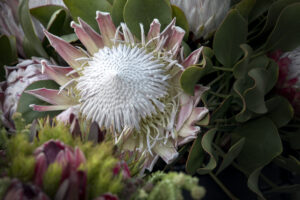
| Africa | King protea (Protea cynaroides), natal plum (Carissa macrocarpa) | Fynbos, coastal scrub |
| Australia and Oceania | Manuka (Leptospermum scoparium), coastal rosemary (Westringia fruticosa) | Shrubland, coastal heath |
FAQ
What is shrub identification?
When you want to recognize a shrub, this means you match its woody, usually multi-stemmed plant to a species through visible traits. Season and location provide supporting evidence.
How can I tell a shrub from a young tree?
It is important to look at the base. A shrub usually has several stems, while a young tree more often has one main trunk.
Can I identify a shrub by its leaves alone?
It is possible sometimes. However, leaves can overlap across unrelated species. You should always confirm your guesses with twigs or reproductive structures.
How do I identify a shrub in winter?
Study bud arrangement and twig color. Also, keep in mind that bark texture or old fruit may remain useful as well.
Why does location matter?
A species is more likely when the climate and habitat fit its known range. However, planted shrubs may occur wherever conditions suit them.
Explore More Plant Identification Guides


Discover the Latest Blog Posts
- Lemon Tree Care: 6 Tips for Growing a Healthy Tree
 Lemon tree care is easier when you focus on six basics: strong light, consistent watering, fast-draining soil, suitable temperatures, regular … Read more
 - Top 12 South Africa Plants: Native Flowers, Trees, and Succulents to Know
 South Africa is one of the world’s most exciting places for plant diversity. From fynbos-covered mountains to dry savannas, coastal … Read more
 - Best Trees for Landscaping
 Trees are important elements of garden design. In addition to a natural accent or background to other plants, they provide … Read more
 - 12 Best Summer Flowers For Your Garden
 A garden that loses its vibrant colors by July can be a disappointment. The secret is choosing plants that thrive … Read more