
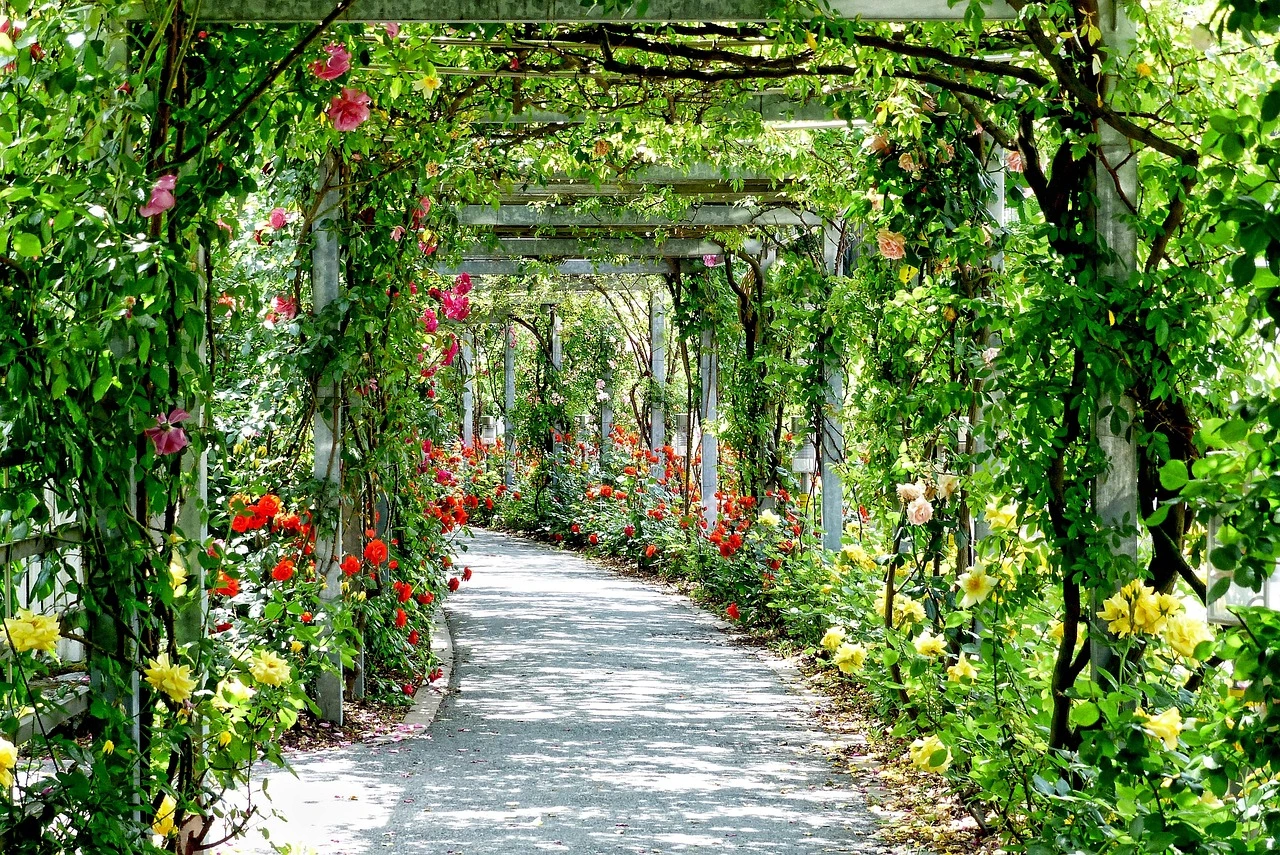
A garden that loses its vibrant colors by July can be a disappointment. The secret is choosing plants that thrive when the heat really sets in. With proper care, you’ll enjoy blooms from June until the first frost. So, what are the best flowers to plant this summer?
For most gardens, the best summer flowers are zinnias, sunflowers, coneflowers, and dahlias. Each of these is heat-resistant and continues blooming for weeks. The other eight plants on this list are no slouch either.
Below you’ll find a complete list of 12 species, including care recommendations.
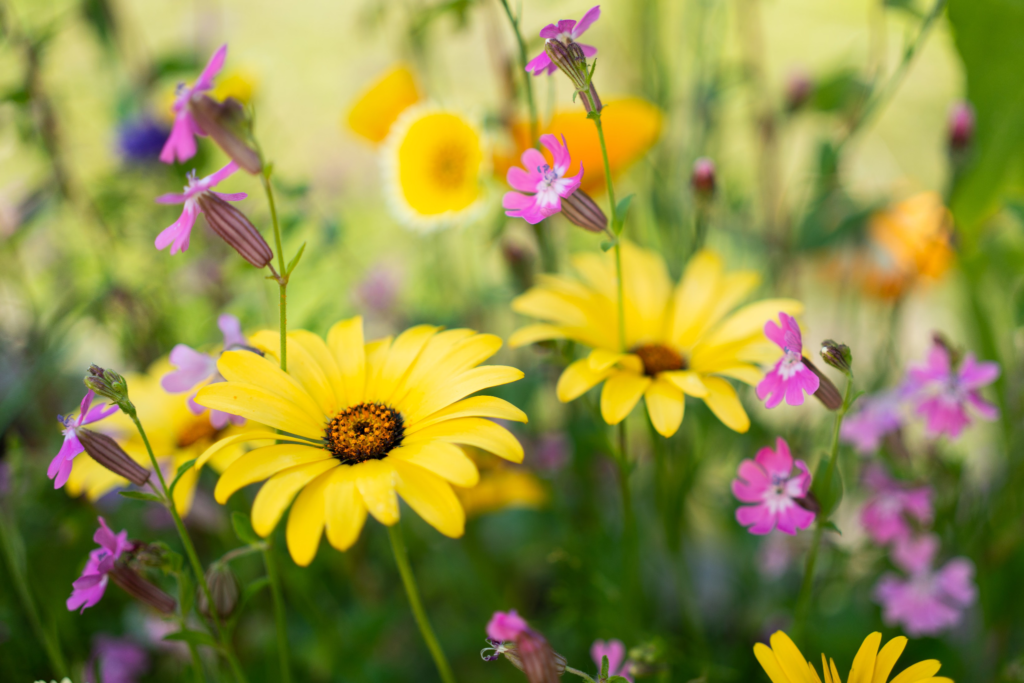
What are the Best Summer Flowers?
Not every plant can withstand the scorching August heat. Those that do tend to share a few traits: they need full sun. A quick pruning usually brings them back to bloom. Our list of the best flowers for summer includes both annuals and perennials.
Take a look at the table before we explore each one in detail.
| Flower | Bloom Time | Best For |
| Zinnia | Summer to frost | Cut flowers, borders |
| Marigold | Summer to fall | Edging, containers |
| Sunflower | Summer to early fall | Back rows, birds |
| Purple Coneflower | Early summer to fall | Pollinators, borders |
| Black-eyed Susan | Summer to fall | Meadows, mass plantings |
| Cosmos | Summer to fall | Cottage beds, cutting |
| Dahlia | Midsummer to frost | Bold displays, cutting |
| Coreopsis | Early summer to fall | Front borders, pots |
| Salvia | Late spring to summer | Hummingbirds, edges |
| Lantana | Late spring to frost | Containers, butterflies |
| Petunia | Spring to frost | Baskets, window boxes |
| Blanket Flower | Early summer to fall | Dry spots, borders |
Zinnia (Zinnia elegans)
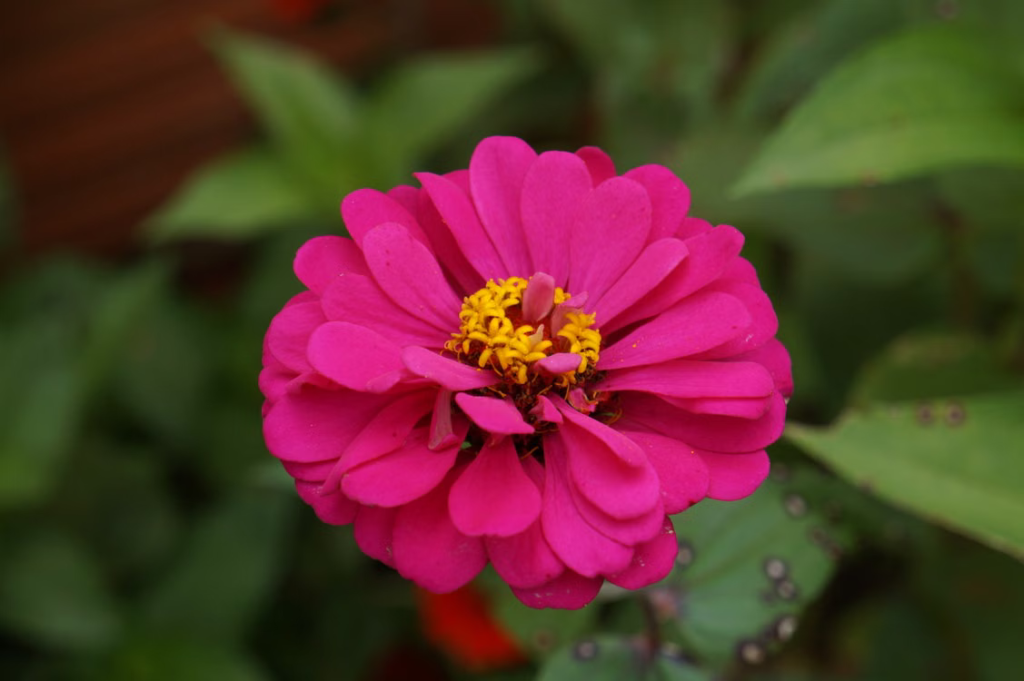
Zinnias are perhaps the easiest flowers on this list to care for. Simply sow the seeds in warm soil and barely give them a second thought. For beginner gardeners looking for the best flowers to plant in summer, zinnias are a safe bet. They come in almost every color except true blue. Bees and butterflies flock to them from early morning.
The only thing to watch out — if you plant them too close together, powdery mildew can appear on the leaves.
- Bloom Time: Summer to first frost
- Sun Requirements: Full sun
- USDA Hardiness Zones: 2–11 (grown as an annual)
- Mature Size: 1–4 ft tall × 1–2 ft wide
- Best For: Cut flowers, borders, pollinator beds
Marigold (Tagetes patula)
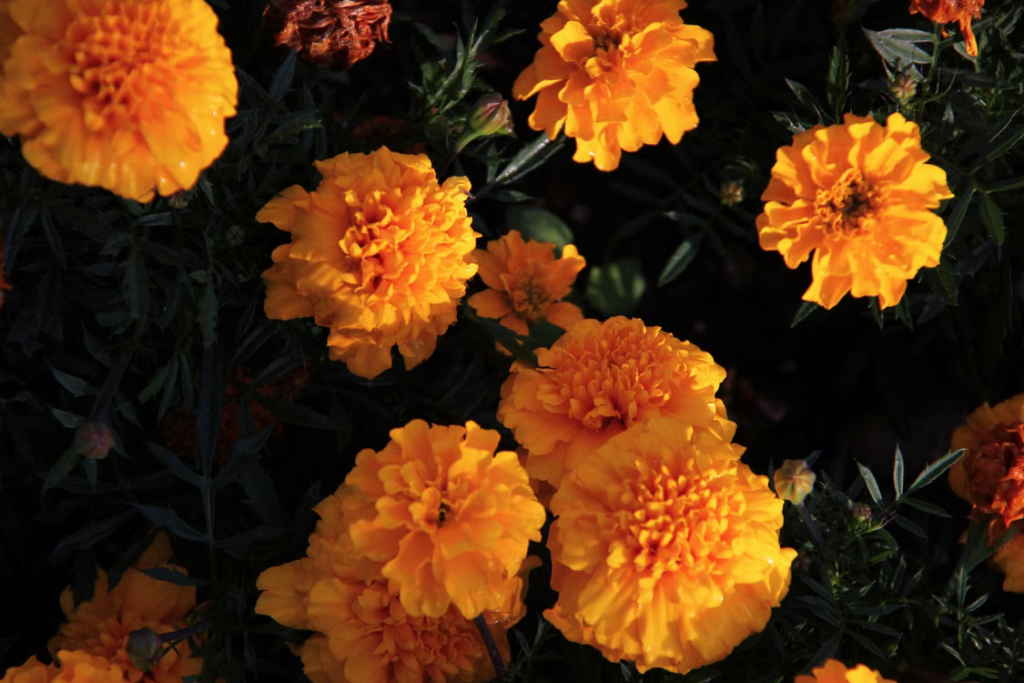
The orange-gold blooms of marigolds are truly beautiful. But their fragrance also repels some garden pests. This is why many people plant them among tomatoes. Once established, even a dry week won’t bother them.
Color ranges from pale lemon to a rich rusty red. Trim the dead heads throughout the season, and the blooming will continue.
- Bloom Time: Summer to fall
- Sun Requirements: Full sun
- USDA Hardiness Zones: 2–11 (grown as an annual)
- Mature Size: 6 in–3 ft tall, depending on type
- Best For: Edging, containers, vegetable beds
Sunflower (Helianthus annuus)
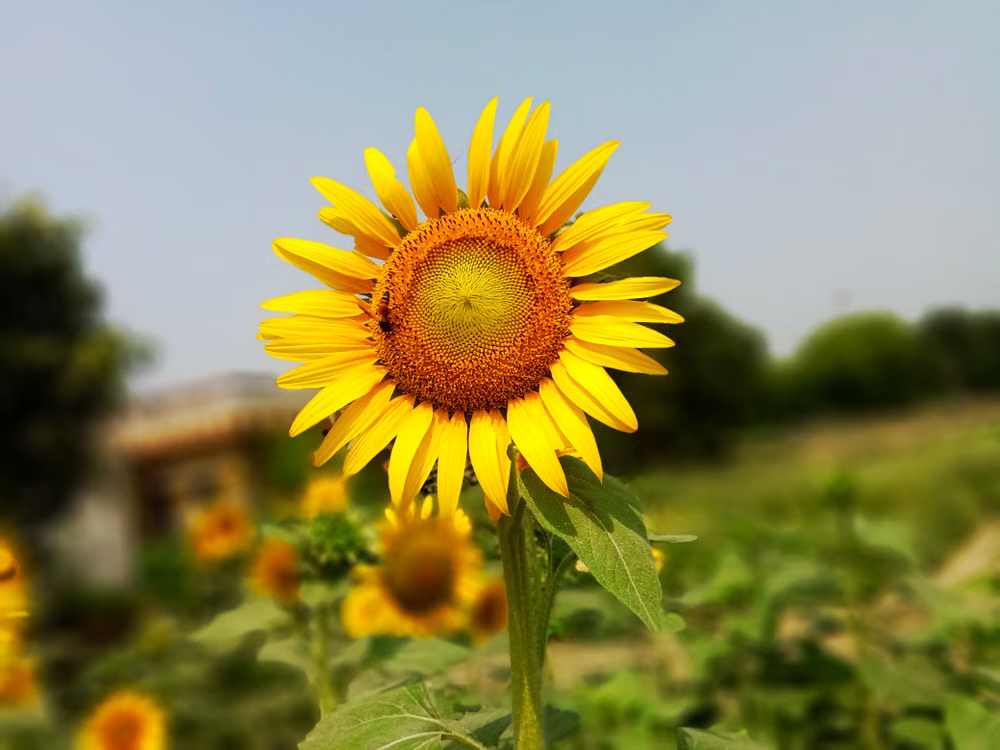
Nothing evokes the height of summer like a lush sunflower head. Giant varieties can grow taller than your head by August. Branching varieties remain compact enough for a typical flowerbed. Sunflowers are among the best summer flowers for attracting wildlife.
Finches devour the ripe seed heads in the fall. The wide petals keep bees busy for weeks. A row along a fence makes a quick and cheap hedge. Simply tie up tall plants before a storm knocks them down.
- Bloom Time: Summer to early fall
- Sun Requirements: Full sun
- USDA Hardiness Zones: 2–11 (grown as an annual)
- Mature Size: 3–10+ ft tall × 1.5–3 ft wide
- Best For: Back rows, cut flowers, birds
Purple Coneflower (Echinacea purpurea)
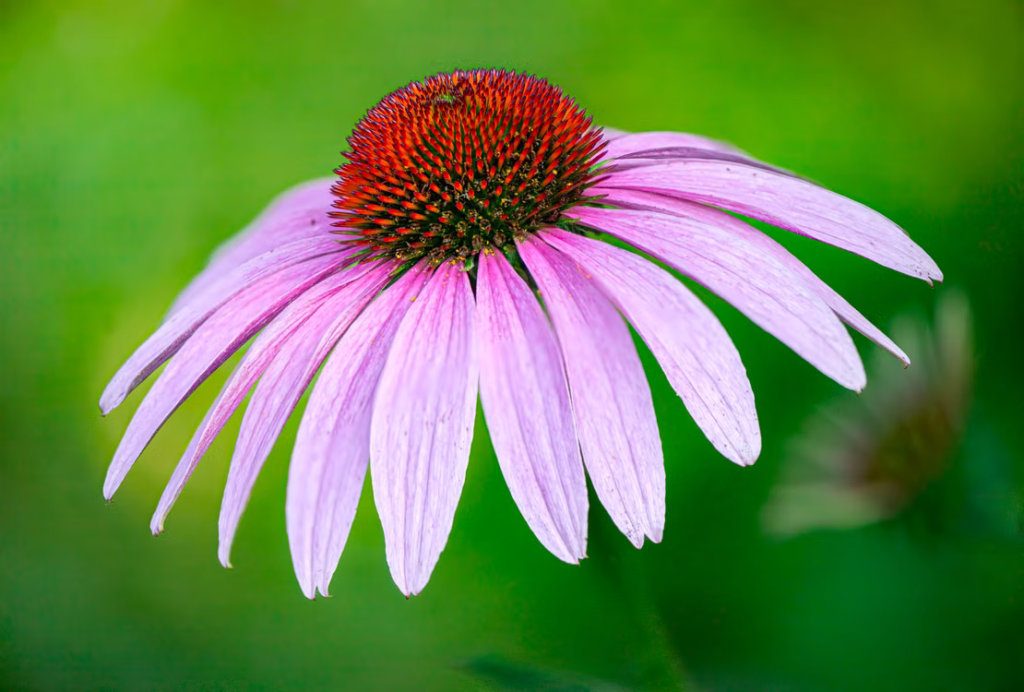
Echinacea purpurea gives a free meadow-like appearance to borders. Each flower features drooping pink petals arranged around a spiky copper cone. The cone lingers well past the point where the petals brown off. Goldfinches will peck at the seeds well into winter.
As a perennial, it establishes itself and regenerates each spring. This plant is a reliable seed source for pollinators. Skip the fall cleanup, and birds will enjoy the seeds.
- Bloom Time: Early summer to fall
- Sun Requirements: Full sun to part shade
- USDA Hardiness Zones: 3–8
- Mature Size: 2–5 ft tall × 1.5–2 ft wide
- Best For: Pollinators, borders, cut flowers
Black-eyed Susan (Rudbeckia hirta)
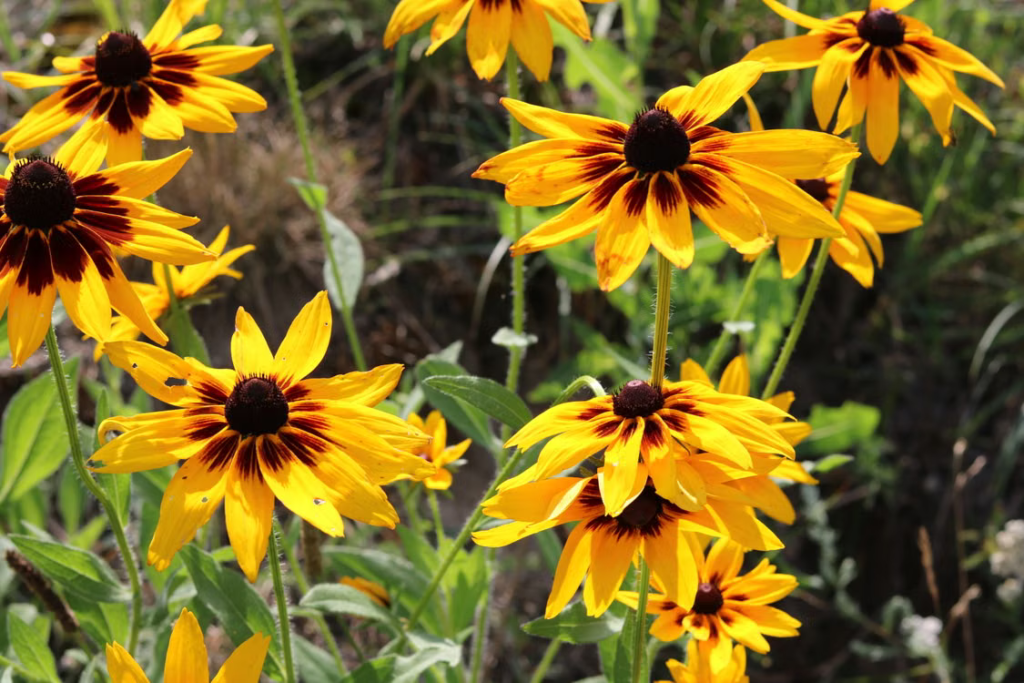
You’ll recognize this plant by its yellow petals surrounding a dark center. Blooming begins around midsummer and continues until late fall. Within a couple of seasons, a single plant will grow into a neat clump. If you’re looking for the best flowers to plant in summer and create a low-maintenance corner, this is it.
Butterflies and bees flock to it all day long. Clay soil and dry periods won’t harm the roots too much. Cut stems stay fresh in a vase for about a week.
- Bloom Time: Summer to fall
- Sun Requirements: Full sun to part shade
- USDA Hardiness Zones: 3–7
- Mature Size: 1–3 ft tall × 1–1.5 ft wide
- Best For: Meadows, mass plantings, pollinators
Cosmos (Cosmos bipinnatus)
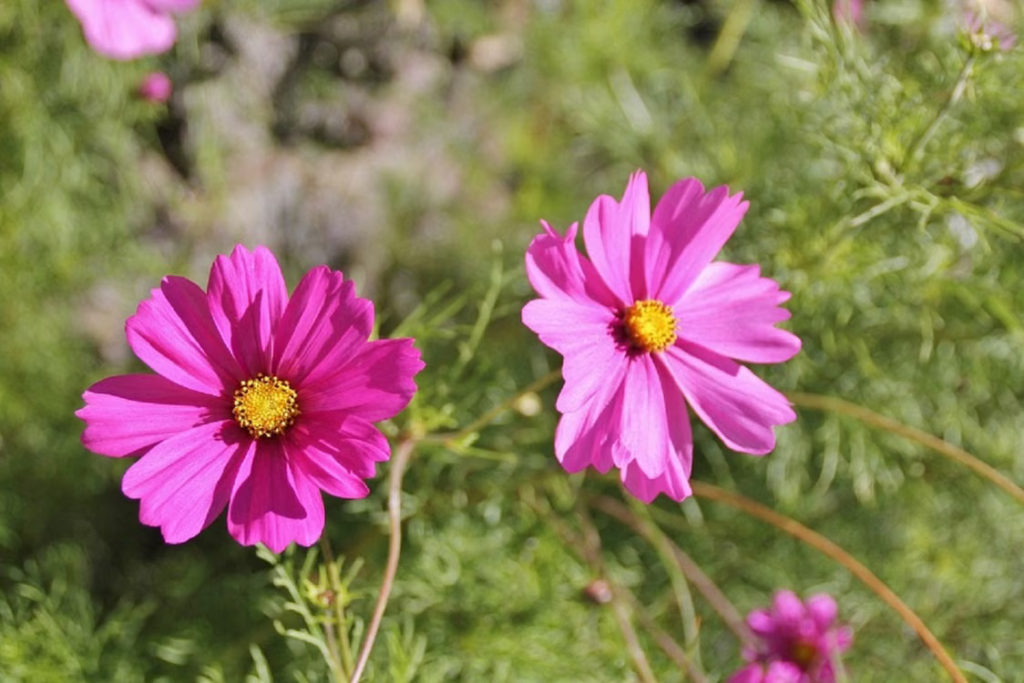
Although Cosmos tolerates harsh conditions well, it’s considered a fragile plant. Ferny green stems fan out toward the back of a cottage planting. Slender stems support daisy-like flowers in pink, white, or deep magenta.
Oddly enough, poor soil produces more flowers than rich ground. Overfertilizing will simply turn it into a jungle of leaves. Sow once and the self-seeding will grow for years.
- Bloom Time: Summer to fall
- Sun Requirements: Full sun
- USDA Hardiness Zones: 2–11 (grown as an annual)
- Mature Size: 1–6 ft tall × 1–3 ft wide
- Best For: Cottage beds, cutting, pollinators
Dahlia (Dahlia pinnata)
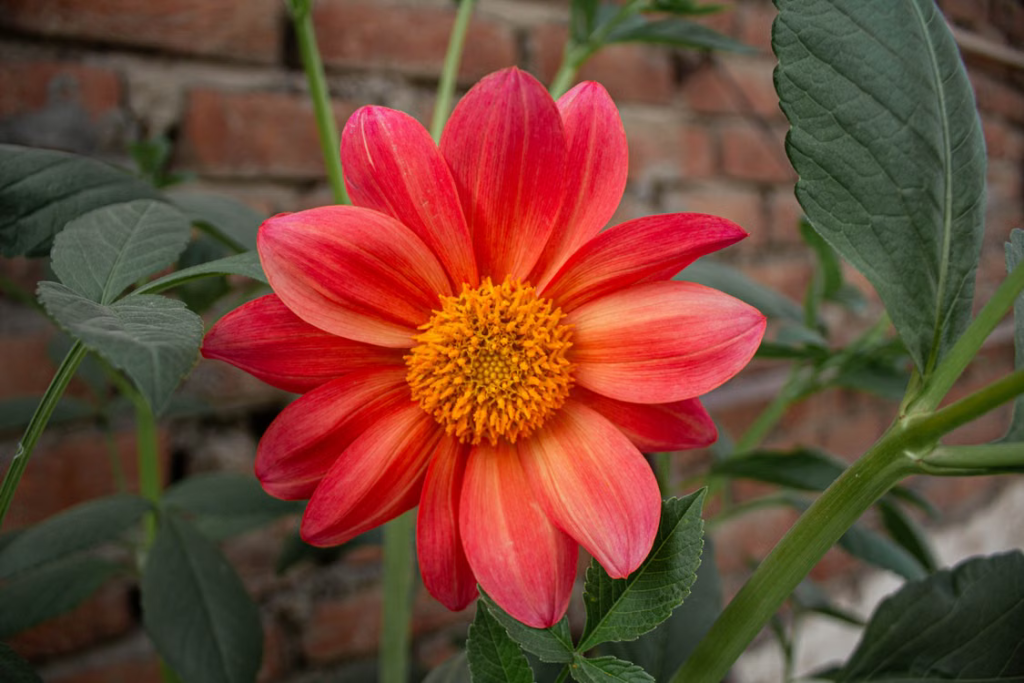
Dahlias bloom especially spectacularly in the second half of summer. Flowers range in size from small pompons to flat palm-width plates. Colors range from soft apricot to vibrant burgundy. Such a great color variety puts dahlias among the best flowers for summer.
The more you cut, the harder the plant works. In regions with harsh winters, dig up the tubers before the first frost. Store them in a cool, dry place until spring, then replant when the soil warms.
- Bloom Time: Midsummer to frost
- Sun Requirements: Full sun
- USDA Hardiness Zones: 8–11 (tubers lifted in colder zones)
- Mature Size: 1–6 ft tall × 1–3 ft wide
- Best For: Bold displays, containers, cutting
Coreopsis (Coreopsis grandiflora)
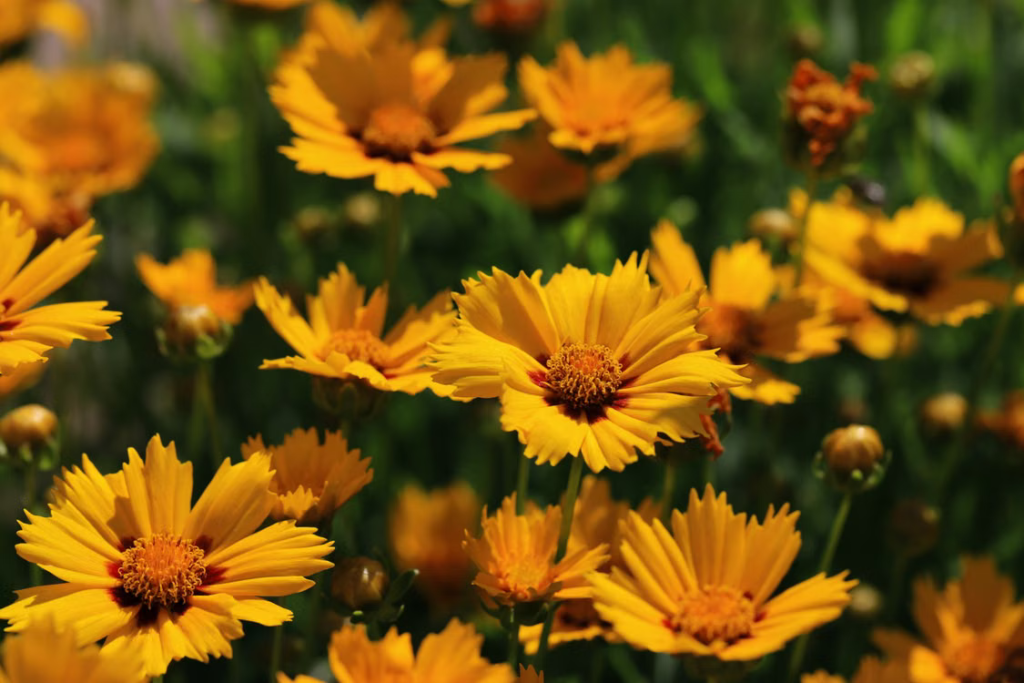
If you’re looking for low-maintenance flowers, Coreopsis is one of them. For several months, small yellow daisies cover the plant. In fact, it prefers to be left alone and never complains. Coreopsis grandiflora thrives in poor soil and tolerates prolonged droughts well.
After the first blooms have faded, prune the plant. New buds usually appear within 2-3 weeks. Bees and hoverflies stop in constantly while it flowers.
- Bloom Time: Early summer to fall
- Sun Requirements: Full sun
- USDA Hardiness Zones: 4–9
- Mature Size: 1–2 ft tall × 1–1.5 ft wide
- Best For: Front borders, pots, pollinators
Salvia (Salvia nemorosa)
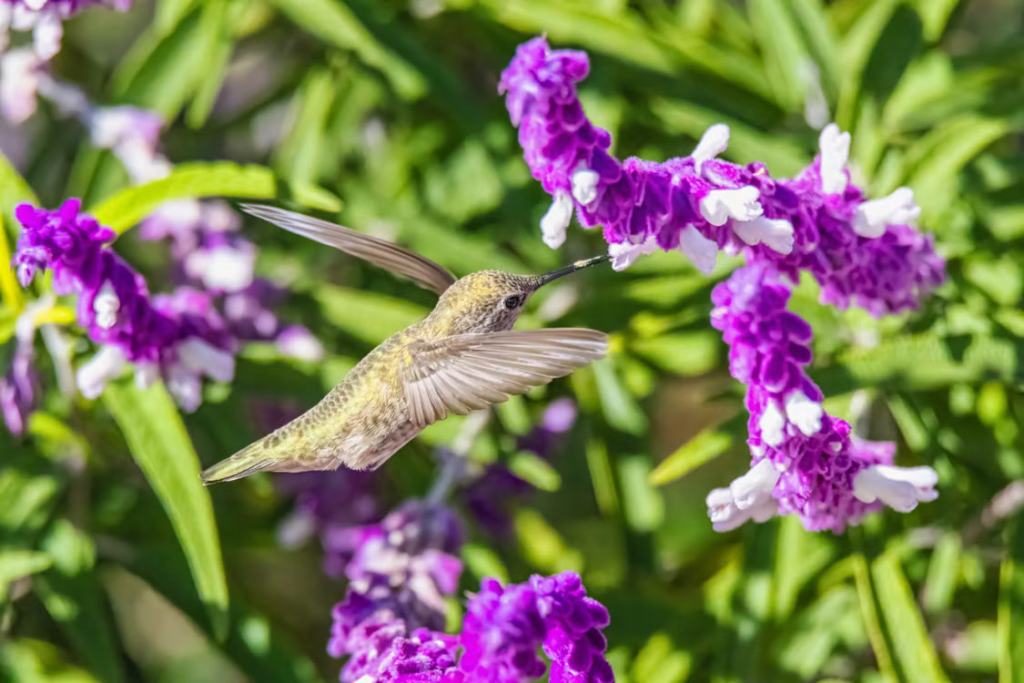
These stiff, upright and purple-blue flowers make Salvia visible from afar. Hummingbirds flock to these delicate tubular blooms. Bees also gather around as soon as the spikes open.
Gardeners looking for the best summer flowers to plant for pollinators often choose Salvia nemorosa. This perennial grows and thickens each spring. Prune spent spikes to encourage a second flush of blooms. It tolerates heat and light watering well.
- Bloom Time: Late spring to summer
- Sun Requirements: Full sun
- USDA Hardiness Zones: 4–8
- Mature Size: 1.5–3 ft tall × 1–2 ft wide
- Best For: Hummingbirds, edges, borders
Lantana (Lantana camara)
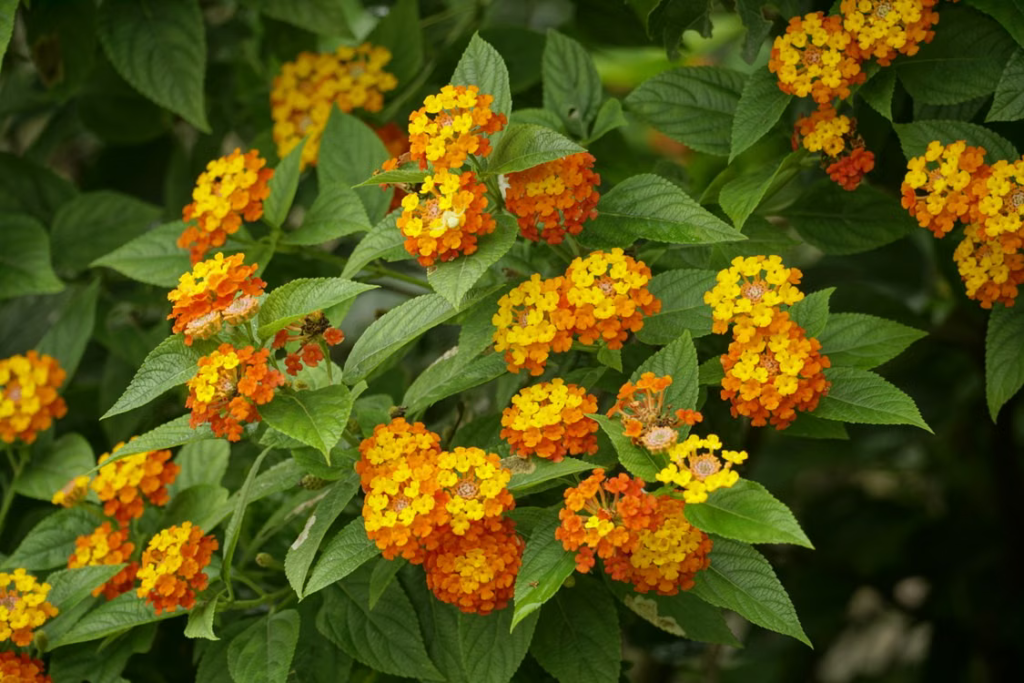
Lantana blooms actively during the hottest part of the year. Each small inflorescence changes color as the flowers mature. So, a single plant can produce orange, pink, and yellow flowers at the same time. Lantana camara attracts butterflies and hummingbirds that flock to it during the day.
The more warmth and humidity you provide to the plant, the better it behaves. In frost-free zones, it may become more sprawling than desired. Once it’s established, it barely needs watering.
- Bloom Time: Late spring to frost
- Sun Requirements: Full sun
- USDA Hardiness Zones: 8–11 (grown as an annual elsewhere)
- Mature Size: 1–6 ft tall × 1–4 ft wide
- Best For: Containers, butterflies, borders
Petunia (Petunia × atkinsiana)
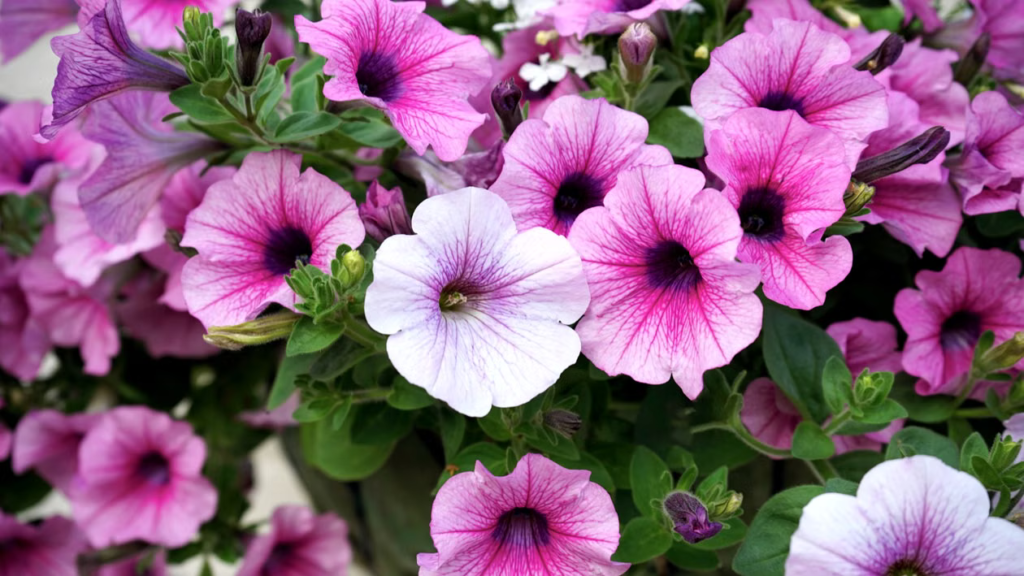
These flowers truly shine in pots and hanging baskets. Trumpet-shaped flowers of Petunia hang prolifically over the edge of the pot. You’ll find them in virtually every color, including striped and speckled varieties. Petunias are considered one of the best summer flowers for container arrangements.
The newer trailing varieties tolerate rain much better than older ones. Around midsummer, you can pinch back leggy stems to create a fuller appearance. Although petunias require nutrients, regular feeding will pay off. Water when the top inch (2.5 cm) of soil is dry.
- Bloom Time: Spring to frost
- Sun Requirements: Full sun to part shade
- USDA Hardiness Zones: 9–11 (grown as an annual)
- Mature Size: 6–12 in tall × 1.5–4 ft spread
- Best For: Baskets, window boxes, beds
Blanket Flower (Gaillardia × grandiflora)
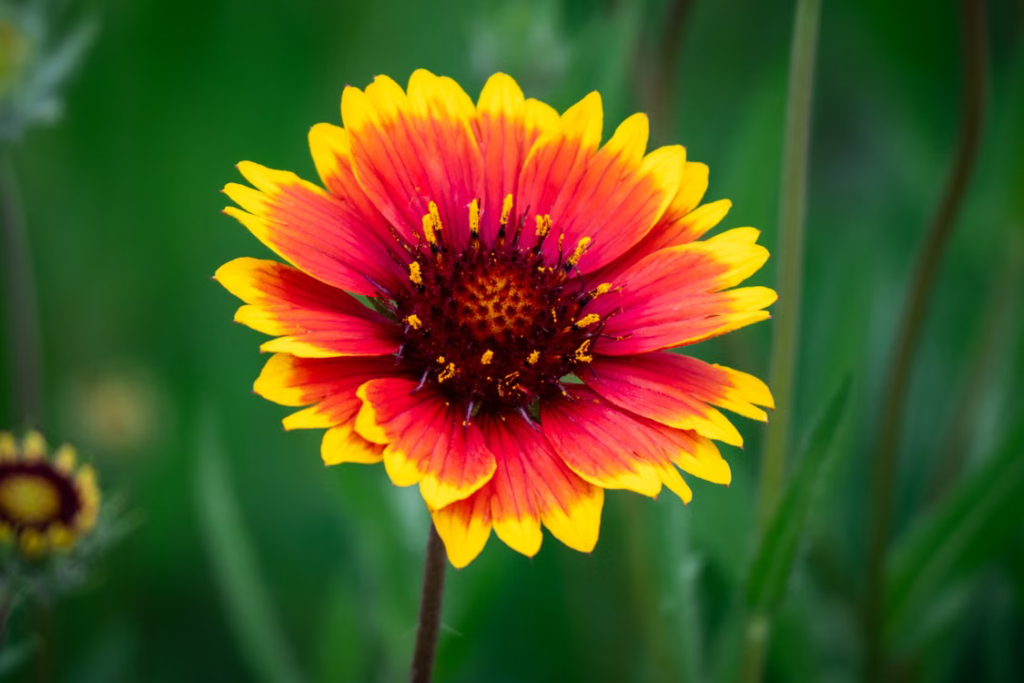
The highlight of Blanket Flower is that it brings warm sunset colors to the driest corners of the garden. Its daisy-like flowers bear rings of red, orange, and gold. It truly thrives in harsh spots where more demanding plants would give up. Poor soil and scorching sun have virtually no effect on this plant.
Butterflies flock to the nectar all summer long. Remove spent flowers occasionally to encourage new buds. This is a short-lived perennial, although it usually reseeds itself. Its only requirement is fast-draining soil.
- Bloom Time: Early summer to fall
- Sun Requirements: Full sun
- USDA Hardiness Zones: 3–10
- Mature Size: 1–3 ft tall × 1–2 ft wide
- Best For: Dry spots, borders, pollinators
Create a Garden That Blooms All Summer
A bed filled with summer flowers will add interest to your yard after the spring blooms fade. All that color attracts bees, butterflies, and sometimes birds. You’ll also get cut stems for a jar on the kitchen table. Mixing annuals with perennials usually works best in the long run. Annuals thrive for a single season. Perennials start out slower, but renew and thicken year after year.
Before choosing the best summer flowers to plant, check each one for light and soil conditions. Make this decision as early as possible — much of the fuss subsides afterward.