
Tropical plants are among the most diverse in the world. However, extraordinary botanical variety makes it difficult to recognize species. So, careful observation in this case is especially important.
This guide contains useful information about how to identify a tropical plant by its visual traits. You’ll find out how to compare leaves, stems, flowers, fruits, growth habits, and habitat clues without relying on spontaneous decisions based on a single criterion.
Identifying Tropical Plants in Simple Steps
To identify tropical greenery accurately, use a step-by-step approach. Based on just one characteristic, it’s impossible to determine what is growing in front of you, since palms, vines, shrubs, ferns, orchids, and aquatic species look similar due to their large leaves, vine-like growth, or bright flowers.
Start tropical identification by observing the overall appearance of the plant, then focus on details, and after this, move forward to its growing environment.
Step 1: Take an Overall Look at the Tropical Plant
Standing at a certain distance from the plant, evaluate its overall appearance. Start by examining its general shape, size, and growth habit. A tropical plant may grow upright like a small tree, climb using aerial roots, trail along the ground, form a rosette, or attach to another species as an epiphyte.
This first step can help you immediately indicate which major group the plant is most likely to belong to and what visual features to focus on going forward.
Step 2: Examine Leaves, Flowers, and Other Key Identification Features
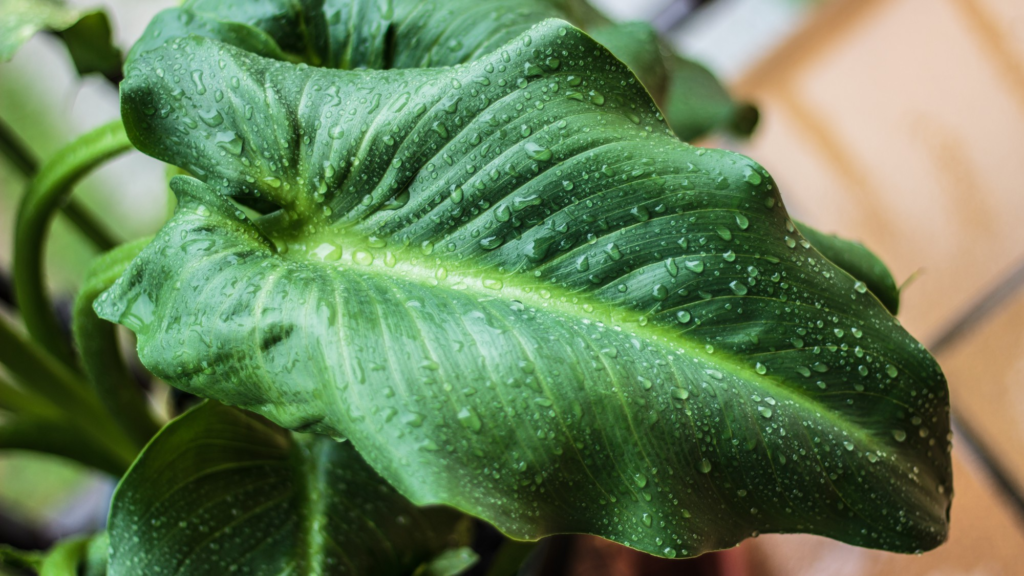
If you are interested in how to identify a tropical plant by key signs, first pay attention to leaves because these parts are usually visible throughout the year. They have distinctive shapes, venation, margins, texture, arrangement, and color patterns. However, avoid relying on leaf shape alone outside of the flowering and fruiting period, as at this time many species look similar.
In addition to foliage, examine stems. They can reveal growth habit, greenery structure, and attachment method. If flowers and fruits are present, they can provide stronger evidence.
Step 3: Consider the Growing Environment
After you identify tropical plants by visual characteristics, evaluate the habitat, as it is an important confirmation tool. Tropical species are commonly found in equatorial regions, rainforests, savannas, wetlands, warm coastal areas, and in cultivated indoor environments. Additionally, pay attention to climate, light exposure, and soil moisture, as these details can help refine the identification.
What Makes Tropical Plants Different From Other Types
Learning what tropical identification is, keep in mind that these plants differ from many species because of their perfect adaptability to warm temperatures, high humidity, frequent rainfall, and long growing seasons.
Most tropical plants have such clear traits as large leaves, drip tips, glossy surfaces, climbing stems, aerial roots, and a tendency to stay in the shade for a long time. Some rainforest species grow rapidly because of long growing seasons, almost without frost.
Others are characterized by thick stems that store water, buttress roots for support of a tall trunk, or epiphytic growth habits that allow them to grow on other plants to access more light and humidity from the air or rain.
What to Look For: 6 Key Visual Signs for Identification
When identifying tropical plants, experienced botanists compare multiple characteristics rather than isolating one feature. Separate signs may be important, but combining them provides you with a clearer picture.
The table below contains 6 key visual signs to look for:
| Identification Feature | What to Examine | Why It Matters for Tropical Plants |
| Growth Form | Tree, shrub, palm, vine, fern, herbaceous plant, aquatic, or epiphyte. | Helps narrow down the possible plant group quickly. |
| Leaves or Foliage | Shape, size, margins, venation, texture, gloss, and arrangement. | The most visible clue is when flowers or fruits are absent. |
| Stems, Trunks, or Shoots | Bark, nodes, aerial roots, climbing stems, cane-like growth, trunk texture, and branching pattern. | Separates palms, vines, aroids, woody plants, and upright herbaceous species. |
| Flowers or Reproductive Structures | Flower shape, color, petal arrangement, symmetry, inflorescence type, cones or other reproductive structures. | Useful for identification at the family, genus, or species level. |
| Fruits, Seeds, or Spore Structures | Berries, pods, capsules, drupes, cones, spores, seeds. | Helpful for confirming mature plants and distinguishing similar tropical species in terms of leaves or flowers. |
| Habitat & Growing Conditions | Rainforest, wetland, savanna, tropical mountain area, coast, garden, greenhouse, or cultivated indoor environment. | Eliminates species from unsuitable habitats or geographic regions. |
Tips for Accurate Tropical Identification
To identify the tropical plant accurately, use a detailed and consistent approach of observation instead of random guessing based on only one photo of leaves, flowers, or other parts, which can lead to misidentification.
When studying tropical flora, use the following practices:
- Photograph the whole plant by capturing its leaves, stems, flowers, fruits, and habitat.
- Focus not only on leaf shape, but also on margins, veins, arrangement, and other visual features.
- Write down flower or fruit details when available.
- Check whether the species naturally occurs in the observed region.
- Revisit the plant during another season if key features are missing.
These steps, considering a full set of observations, give a much clearer botanical picture, so you can identify the tropical greenery more confidently.
Common Tropical Plants by Region
Biogeographic distribution is another factor you should keep in mind. Many species can thrive only in certian certain climate zones, habitats, or geographical regions. Knowing the natural range of certain tropical plants, the climate in which they thrive, and the ecosystems in which they are found is useful.
It helps you rule out species that are not found where you are right now, narrow down the list of possible species, and make your identification more accurate.
The table below gives examples of well-known tropical plants in different parts of the world:
| Region | Common Tropical Plants | Typical Habitat |
| North America & Caribbean | Hibiscus, sea grape, gumbo limbo, West Indian mahogany. | Coastal forests, islands, warm coastal areas. |
| South America | Brazil nut, cacao, rubber tree. | Amazon rainforests, river basins, tropical lowlands. |
| Africa | Baobab, oil palm, raffia. | Savannas, tropical forests, wetlands. |
| Asia | Banana, teak, bird’s nest fern. | Monsoon forests, tropical forests, cultivated areas. |
| Australia & Oceania | Tree fern, pandanus, breadfruit. | Rainforests, tropical islands, coastal zones. |
FAQ
What is tropical identification?
This is the process of detailed and consistent recognition of tropical plants by studying their visible botanical features, growth habits, habitat, and geographic distribution.
How do I identify a tropical plant by its leaves?
Examine leaf shape, size, margins, venation, texture, color, and arrangement on the stem. Take a look at the leaves located in different parts of the plant.
Why are tropical plants difficult to identify?
Tropical regions contain very high greenery diversity. Many unrelated species among them have similar leaves, flowers, or other visual characteristics.
Can habitat help to recognize a plant?
Yes. Rainforest, mangrove, savanna, mountain, wetland, or cultivated indoor conditions can narrow down the range of possible types.
Explore More Plant Identification Guides
Discover the Latest Blog Posts
- Lemon Tree Care: 6 Tips for Growing a Healthy Tree
 Lemon tree care is easier when you focus on six basics: strong light, consistent watering, fast-draining soil, suitable temperatures, regular … Read more
 - Top 12 South Africa Plants: Native Flowers, Trees, and Succulents to Know
 South Africa is one of the world’s most exciting places for plant diversity. From fynbos-covered mountains to dry savannas, coastal … Read more
 - Best Trees for Landscaping
 Trees are important elements of garden design. In addition to a natural accent or background to other plants, they provide … Read more
 - 12 Best Summer Flowers For Your Garden
 A garden that loses its vibrant colors by July can be a disappointment. The secret is choosing plants that thrive … Read more