
The process of recognizing fruits by color alone can be confusing because unrelated plants may produce similar berries. Fortunately, identification becomes clearer when you examine the specimen together with its parent plant. We explain how to identify fruits through visible botanical features and show how the growing environment can challenge your first guess.
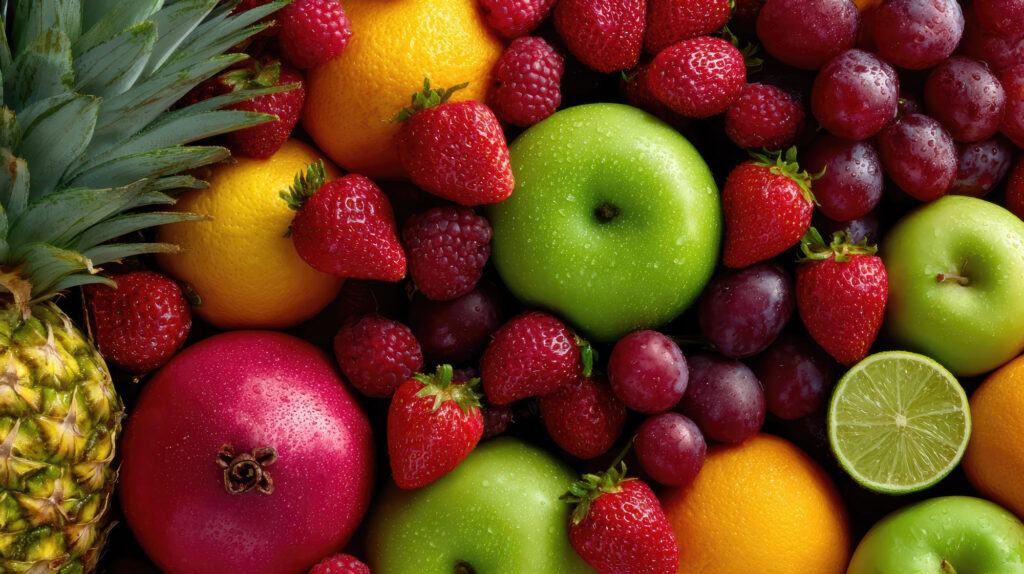
How to Identify Fruits Step by Step
The very first stage of your identification must begin with features that remain useful during ripening. Color does matter, although structure usually reveals much more.
Start With Shape and Attachment
First of all, study the whole fruit. Note whether it is round or elongated. Then check how it joins the stalk. A persistent calyx can be especially revealing. This is the small, leaf-like part that remains after the flower fades. Also, notice whether fruits appear singly or in clusters.
Look Beneath the Skin
Next, examine the surface and flesh. A waxy coating may suggest one group, while a hard shell points elsewhere. When the specimen is safe to handle, cut it lengthwise. Look for one stone or several seed chambers. These details help separate drupes from berries and pomes, which are distinguished by their botanical fruit structure.
Check the Parent Plant and Location
Did you know that a detached fruit removes valuable evidence? Therefore, inspect the leaves and decide whether the plant is woody or herbaceous. Then determine whether it grows as a tree or vine. Meanwhile, consider the climate. Natural distribution can rule out an otherwise convincing match.
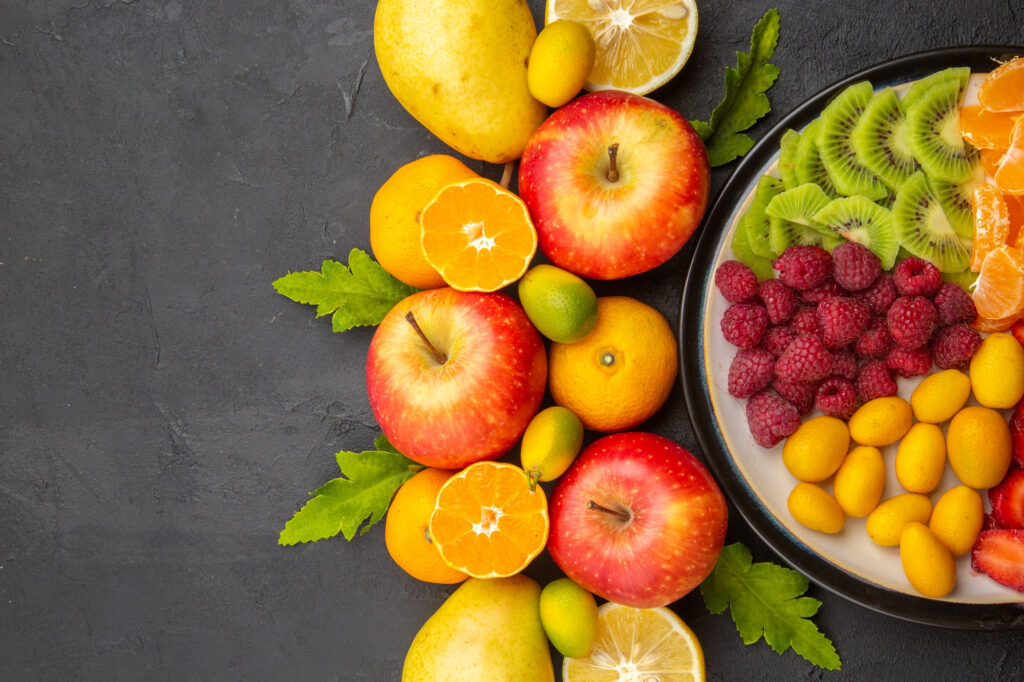
6 Clues that Reveal a Fruit’s Identity
Accurate fruit identification relies on several nuances that coincide. Internal structure may be decisive for one group, while attachment is more useful for another.
| Identification feature | What to examine | Why it helps |
| Overall form | Shape, mature size | Creates an initial shortlist |
| Outer surface | Texture, natural coating | Separates smooth or leathery types |
| Internal structure | Flesh, chambers | Distinguishes major fruit types |
| Seeds | Number, position | Separates similar-looking fruits |
| Attachment | Stalk, remaining flower parts | Shows how the fruit developed |
| Parent plant | Leaves, growth form | Connects it to the correct species |
The table should be considered a comparison tool. This means that a reliable match should explain the major features but still note an obvious difference.
What Fruits Have in Common
From the botanical point of view, a fruit develops from a flower’s ovary and commonly holds seeds. Therefore, tomatoes and cucumbers count as fruits too. The ovary enlarges as the fruit develops after pollination.
However, appearances can be delightfully misleading. A raspberry is a group of tiny drupelets, not one berry. Meanwhile, a strawberry’s red flesh is enlarged flower tissue, while the small structures on its surface are the true fruits, as explained in research on raspberry and strawberry fruit development.
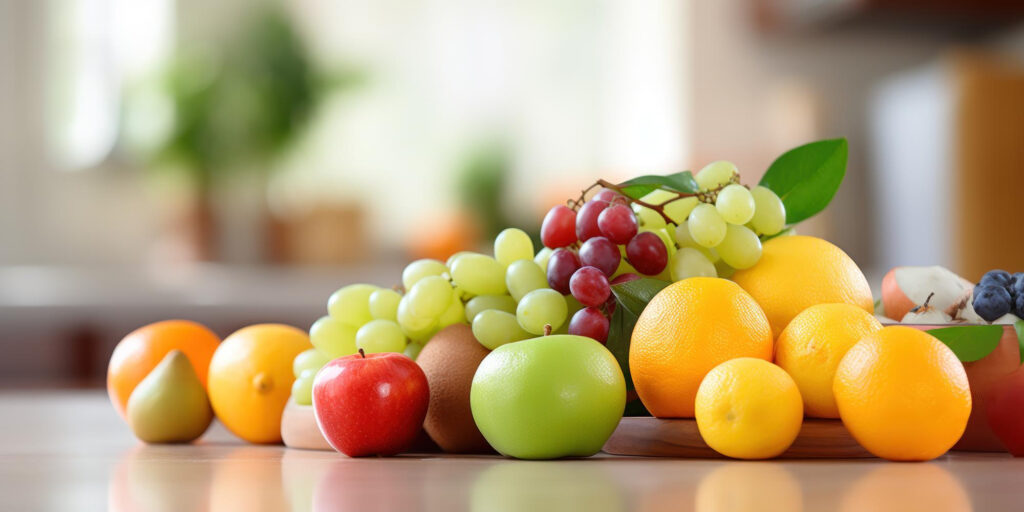
Tips for a More Accurate Match
You can identify fruits as you combine evidence from the specimen with details from the plant. Before you choose a name, follow the same sequence each time.
- Photograph the fruit before you pick it.
- Compare ripe and unripe specimens.
- Cut the fruit in two directions.
- Check leaves on the nearest stem.
- Record the season and location.
- Don’t taste an unknown specimen.
Color should support your conclusion, but it shouldn’t lead it. Green fruit may simply be immature, while red fruit occurs across many plant families. If identifying a fruit by its characteristics isn’t enough to narrow down the options, you can also use a plant identifier app to get a possible match from a photo.
Familiar Fruits across World Regions
Biogeography gives you a useful head start. Many fruit-bearing species developed within particular climates, so their natural range can reduce your shortlist. Cultivation has moved them widely, though, so you should first decide whether the plant appears wild or planted.
| Region | Common fruits | Typical environment |
| North America | Highbush blueberry (Vaccinium corymbosum), pawpaw (Asimina triloba), American cranberry (Vaccinium macrocarpon) | Woodlands, wetlands |
| South America | Pineapple (Ananas comosus), passion fruit (Passiflora edulis), feijoa (Acca sellowiana) | Forest edges, highlands |
| Europe | Blackthorn (Prunus spinosa), European crab apple (Malus sylvestris), wild strawberry (Fragaria vesca) | Hedgerows, meadows |
| Asia | Mango (Mangifera indica), lychee (Litchi chinensis), Japanese persimmon (Diospyros kaki) | Tropical lowlands, warm forests |
| Africa | Marula (Sclerocarya birrea), baobab (Adansonia digitata), African medlar (Vangueria infausta) | Savannas, dry woodland |
| Australia and Oceania | Finger lime (Citrus australasica), Davidson’s plum (Davidsonia jerseyana), muntries (Kunzea pomifera) | Rainforest margins, coastal shrubland |
Keep in mind that regional information works best as supporting evidence. Native distribution should be separated from areas where a plant has been introduced, which can be particularly helpful for the examination of wild specimens.
FAQ
What is fruit identification?
The process implies matching a fruit and its parent plant to a species. It uses external appearance together with internal structure.
Can I identify fruits from a photo?
A clear photo can provide a useful starting point. However, it is critical to include the leaves and growth habit whenever possible.
Can I identify fruits by their seeds?
Seeds are useful because their number and position often reflect the fruit type. Still, you should compare them with the fruit wall and parent plant.
Why isn’t every berry a botanical berry?
Common names follow everyday or culinary traditions. Botanical terms, meanwhile, describe how a fruit develops from the flower.
How can I identify unripe fruits?
Focus on structure instead of mature color. Attachment and seed arrangement may already be visible, while the parent plant supplies further clues.
Explore More Plant Identification Guides
Discover the Latest Blog Posts
- Lemon Tree Care: 6 Tips for Growing a Healthy Tree
 Lemon tree care is easier when you focus on six basics: strong light, consistent watering, fast-draining soil, suitable temperatures, regular … Read more
 - Top 12 South Africa Plants: Native Flowers, Trees, and Succulents to Know
 South Africa is one of the world’s most exciting places for plant diversity. From fynbos-covered mountains to dry savannas, coastal … Read more
 - Best Trees for Landscaping
 Trees are important elements of garden design. In addition to a natural accent or background to other plants, they provide … Read more
 - 12 Best Summer Flowers For Your Garden
 A garden that loses its vibrant colors by July can be a disappointment. The secret is choosing plants that thrive … Read more