
Your windowsill quickly fills with plants. One plant here, another cutting there. Soon, you have several species that you can’t name. Luckily, you can identify them. So, what is houseplant identification? It’s simply recognizing a plant’s species by its appearance.
You don’t need a botany degree to do this, just the right approach. The correct name will tell you how to properly care for it. This guide describes the characteristics that distinguish one houseplant from another.

How to Identify Houseplants Manually
Learning how to identify a houseplant takes less effort than most people expect. Start with its appearance and look at the overall shape. Then move on to the finer details. Here’s the process in more detail.
Check the General Shape First
Start by analyzing the plant as a whole. Notice whether it grows upright, spreads wide, or hangs over the pot. A first glance is crucial for accurate houseplant identification.
Shape alone can place a plant in a specific group. For example, a Snake plant grows tall, with stiff and pointed leaves. Meanwhile, a Pothos sends out long shoots down the side of a shelf. You can tell the difference between these two even from a doorway.
Look at the Main Features Up Close
Now you need to get closer. At this point, small details decide the answer. Most people identify houseplants by a few characteristics they can see with the naked eye:
- Leaves. Look at the shape, size, color, and edges. Run your finger along them. Fluffy, glossy, or leathery — each feature indicates something different.
- Growth habit. See whether the plant climbs, trails, or stands upright. This characteristic quickly narrows down the search.
- Stems. Check whether they are woody and soft or thick and filled with water. Some retain moisture inside too.
- Variegation. Look for stripes, spots, or splashes of cream and white. These patterns often indicate a specific variety.
- Flowers. If the plant blooms, pay attention to the color and shape. Many houseplants rarely flower, so blooming is an important clue.
One characteristic alone rarely identifies a plant. Compare a few signs and the answer will become clear.
Look at Where the Plant Grows
Where a plant grows says a lot about it. Light, humidity, and soil type all provide clues. You can even identify a houseplant by tracing its favorite spot back to its natural habitat. For instance, a species that thrives in a humid bathroom likely came from shady tropical forests. Think of ferns and calatheas.
If a plant tolerates dry air and occasional missed watering, this may point to the Aloe or Jade plant, both of which prefer a desert environment.
7 Features to Check to Identify Houseplants
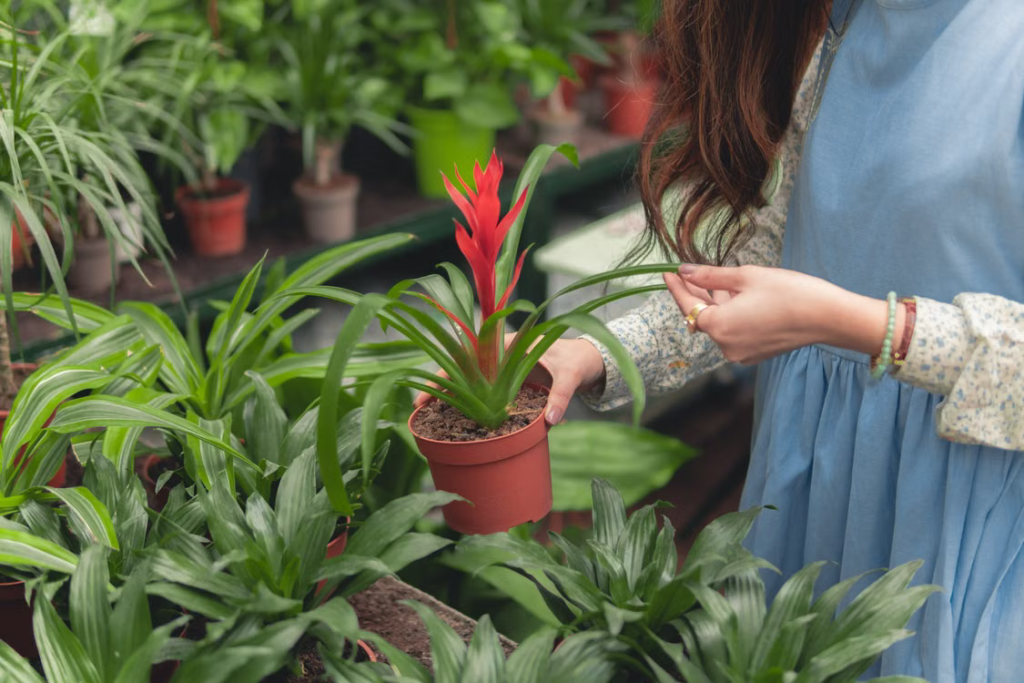
No expert relies on just one clue. Accurate houseplant identification is based on a combination of several characteristics. Some are more important for some plants than others. Here are the key features to look for.
| Identification Characteristic | What to Examine | Applies To |
| Leaves & Foliage | Shape, size, color, edges, veins, and texture | Nearly all houseplants |
| Growth Form & Habit | Upright, trailing, climbing, rosette, or clumping shape | All species |
| Stems & Shoots | Woody, soft, or fleshy stems, plus aerial roots | Most houseplants |
| Flowers & Blooms | Bloom color, shape, and how often it flowers indoors | Some species |
| Surface Features | Variegation, hairs, waxy coating, or spines | Many houseplants |
| Roots & Underground Parts | Aerial roots, rhizomes, tubers, or bulbs | Selected species |
| Mature Size | Full height and spread once grown indoors | All houseplants |
Common Characteristics of Houseplants
Houseplants don’t form a single distinct family. They are a diverse group, chosen for one reason: they live well indoors. However, many of them share several common traits. Many are native to warm tropical regions, and some of them were originally understory plants in tropical forest canopies. This shady background explains why they thrive in the low filtered light of indoor spaces.
You can often identify houseplants by their wide, thin leaves, shaped to capture low light. Succulents, on the other hand, have water-retentive leaves. Slow growth is also common for houseplants, which prevents them from taking over an entire room.
Practical Tips for Correct Houseplant Identification
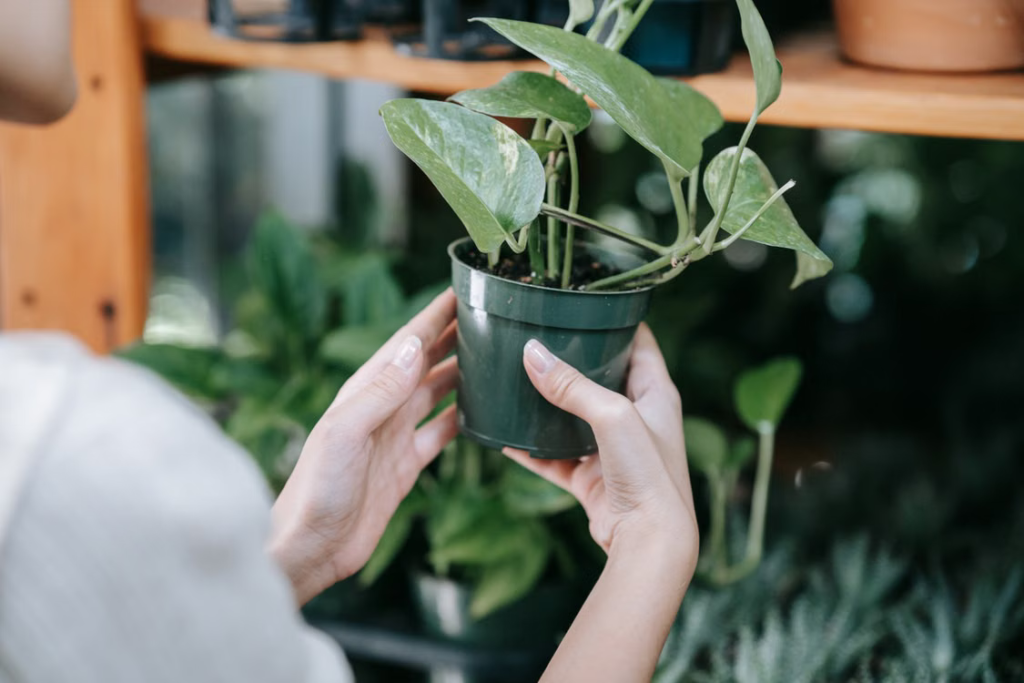
A few simple habits will significantly improve the reliability of your identifications. A quick glance often leads to mislabeling. Take your time and try the following methods:
- Examine the entire plant, not just a single leaf.
- Compare young shoots with older ones — they can look completely different.
- Flip a leaf over, as the color of the underside often allows for a more accurate identification.
- Pay attention to the lighting and find a spot where the colors are most natural.
- Take a clear photo in daylight to examine it closer later.
Never rely on a single feature — one leaf can mislead you. Seasons also change appearance. A plant in winter may look completely different than the same species in summer. Inspect it from top to bottom. Consider the growing location and the time of year. Put together several clues before making a final decision.
Well-Known Houseplants Across the World
Almost every houseplant has its origins in the wild. Knowing its region of origin helps you quickly identify its species. Many species grow naturally in only one climate zone or biome. Match its appearance with its likely origin, and the list of suspects will narrow.
The table below shows common houseplants by their original growing region.
| Region | Common Houseplants | Typical Habitat |
| North America | Boston fern, Ponytail palm, Prickly pear | Subtropical wetlands and arid deserts |
| South America | Philodendron, Peace lily, Prayer plant | Tropical rainforests |
| Europe | English ivy, Cyclamen, Baby’s tears | Woodlands and Mediterranean slopes |
| Asia | Chinese evergreen, Moth orchid, Jasmine | Humid tropical forests |
| Africa | Snake plant, ZZ plant, African violet | Dry savannas and rocky slopes |
| Australia & Oceania | Kentia palm, Golden pothos, Umbrella tree | Coastal forests and subtropical bush |
FAQ
Can I name a plant from a photo?
Often, yes. Photograph the entire plant in good light. Then take a close-up of one leaf, front and back. The more detail, the better your chances of naming the plant correctly.
Which feature should I check first?
Pay attention to the leaves. Their shape, size, and pattern immediately eliminate many possible species. The second important feature is the growth habit. Together, these two eliminate most similar plants.
Why do two of my plants look nearly the same?
Many houseplants belong to related families. Pothos and heartleaf philodendron are often confusing to beginners. Check the leaf texture and stem to distinguish them.
My plant never flowers, can I still name it?
Yes. Many houseplants rarely bloom indoors. Leaves, stems, and growth habits give you a lot of information. The flower is just another clue.
Explore More Plant Identification Guides
Discover the Latest Blog Posts
- Lemon Tree Care: 6 Tips for Growing a Healthy Tree
 Lemon tree care is easier when you focus on six basics: strong light, consistent watering, fast-draining soil, suitable temperatures, regular … Read more
 - Top 12 South Africa Plants: Native Flowers, Trees, and Succulents to Know
 South Africa is one of the world’s most exciting places for plant diversity. From fynbos-covered mountains to dry savannas, coastal … Read more
 - Best Trees for Landscaping
 Trees are important elements of garden design. In addition to a natural accent or background to other plants, they provide … Read more
 - 12 Best Summer Flowers For Your Garden
 A garden that loses its vibrant colors by July can be a disappointment. The secret is choosing plants that thrive … Read more