
Plant Guides, Care Tips & Gardening Resources
Plant identification should not be complex, and it stops being so once the approach becomes systematic. A single feature, such as a flower, fruit, or even leaf shape, rarely confirms a species. But with a systematic analysis, you can identify a plant accurately.
What Is Plant Identification?
It is the process of determining a species. When you ask yourself “What plant is this?”, you can start examining its physical characteristics and then match them against documented botanical data — and that’s how you complete the task.
The standard tool botanists use for this is a dichotomous key — a structured guide that walks you through a series of paired choices. For example, you check if the leaf is simple or compound. Then, you check if the margins are entire, serrate, or lobed, and so on, step by step.
When done methodically, it really helps identify the only one plant from among over 350,000 species documented worldwide.
Explore Our Plant Identification Guides
🌳
Trees
Discover tree species — from towering oaks to ornamental flowering varieties for every landscape.
🌸
Flowers
Explore vibrant blooms, seasonal favourites, and perennial classics to brighten any garden or home.
🪴
Houseplants
Find the perfect indoor plant for your space — low-light, air-purifying, or simply beautiful companions.
🌱
Succulents
Browse drought-tolerant succulents ideal for busy plant lovers who want beauty with minimal watering.
🌵
Cacti
Identify spiny desert dwellers and learn the care basics that help them thrive indoors or out.
🌿
Herbs
Grow culinary and medicinal herbs, and learn the traits that make each one easy to recognize.
🍓
Fruits
Learn to identify fruit trees, vines, and the varieties they produce, from orchard to backyard.
🥕
Vegetables
Grow your own food with confidence — identify common garden vegetables at every growth stage.
🍃
Leaves
Learn how leaf shape, color, and texture can help you identify almost any plant.
🌾
Grasses
Explore ornamental grasses and lawn varieties that add texture, movement, and structure to any garden.
🌲
Shrubs
Discover flowering and evergreen shrubs perfect for borders, hedges, and year-round garden structure.
🍄
Mushrooms
Identify wild mushrooms safely and learn about edible species, toxic look-alikes, and foraging basics.
🌴
Tropical Plants
Bring lush tropical vibes indoors or outdoors with bold foliage and exotic flowering species.
🍀
Weeds
Identify common garden weeds quickly and learn effective, eco-friendly strategies to manage them.
About Plant Identifier Guide
Plant Identifier Guide was created with a simple mission: to make reliable plant information accessible to everyone. Whether you’re trying to identify a mystery plant in your garden, looking for care advice for a new houseplant, or planning a full landscape redesign, we’re here to help.
Our editorial approach is grounded in accuracy and clarity. Every guide is written to be genuinely useful — covering the essential facts without unnecessary complexity, drawing on established horticultural knowledge and practical gardening experience.
We believe plant knowledge should be approachable. Our guides are written for real people — curious beginners, enthusiastic hobbyists, and experienced gardeners alike — who simply want trustworthy answers they can act on.

How to Identify a Plant
The identification follows a logical sequence, and the order matters. You need to move from the general to the specific, building a complete picture.
Step 1: Determine the Type
Let’s say you come across an unfamiliar species and want to identify this plant. The first question should be “What type is this?”
Here are the types to distinguish:
- Trees — tall and woody, with a single self-supporting trunk and a branching canopy above
- Shrubs — woody, with multiple stems rising from the base, typically lower and bushier than a tree
- Grasses — soft-stemmed, forming clumps or spreads of narrow, blade-like leaves
- Ferns — non-flowering, with spreading fronds, often growing low in shaded or moist environments
- Succulents — compact, with visibly plump, water-storing parts
- Cacti — mostly leafless, with a swollen stem and spines growing from distinct clusters called areoles
- Wildflowers — soft-stemmed, low-growing, recognizable by showy blooms when in season
- Vines — long-stemmed plants that climb, trail, or attach to other structures rather than grow upright
- Weeds — fast-spreading, herbaceous, typically the first to appear in disturbed or open soil
If a plant sits between two categories, note this and focus on the distinctive features in your further research.
Step 2: Observe the Features
Many people try to identify a plant by leaf or a flower alone. Though examining leaves really is a starting point, they tell only part of the story.
Work through everything the plant is showing you:
- Leaves — arrangement, form (simple or compound), shape, margin, venation, and texture.
- Flowers — structure, symmetry, number of petals, color, and how they are grouped on the stem.
- Stem — woody or herbaceous, cross-section shape, surface texture, and branching pattern.
- Bark — color, texture, and pattern.
- Fruit and seeds — type, shape, and how they are dispersed.
- Roots — visible root structure, bulbs, tubers, or rhizomes.
Not all of these will be available at once. Flowers, fruits, and even leaves might be seasonal. When that’s the case, focus on building as complete a picture as possible from what’s present.
Step 3: Check Growing Conditions
Where a plant grows is as informative as what it looks like. Before moving to references, note the following:
- Habitat — woodland, wetland, meadow, roadside, alpine, desert, or coastal
- Light — full sun, partial shade, or deep shade
- Soil — dry or moist, sandy, clay, rocky, or rich organic matter
- Climate zone — cross-reference your location against the USDA plant hardiness zone map to understand which species are viable in your region
Sometimes, location alone can narrow the search to the right species.
Step 4: Compare with ID Guides & Build Your Knowledge
Now you’re ready to cross-reference and identify a plant by description. Browse the identification guides on this site by type. Each one covers the key features, habitat, and other distinctive characteristics. Also, you’ll be able to check the look-alikes that cause the most confusion within that group.
Keep building your knowledge using our science-based plant identification resources. The more you work through this process, the faster it gets. Features that require close examination at first will become recognizable at a glance.
Key Plant Characteristics Used for Identification
So, let’s sum it up and take a look at the full observation sequence for plant ID.
| Characteristic | What Exactly to Observe | Most Useful For | Reliability |
| Leaf Arrangement | Whether leaves attach alternately, in opposite pairs, or in whorls along the stem | Broadleaf species | High |
| Leaf Venation | Parallel or net-like vein pattern | All plants | High |
| Leaf Margin | Edge detail: entire, serrated, toothed, lobed, or wavy | Broadleaf | High |
| Flower Structure | Petal count, color, and stem arrangement | Wildflowers, trees in bloom | Seasonal |
| Stem Cross-Section | Round, square, triangular, or winged when cut | Herbs, wildflowers | High |
| Bark | Color, texture, and pattern: smooth, furrowed, scaly, plated, or peeling | Trees, woody shrubs | High |
If you want to make the journey simple, start with the species you already know. Spot their features, understand how identification works in practice, and then move on to the unknown plants.
Why Trust Plant Identification Guide?
This site is built around one goal: giving you the botanical knowledge to identify plants accurately and independently. Here is what that looks like in practice:
- Guides follow the observation sequence — features are presented in the order you would work through them in the field
- Every guide covers the full feature set — leaf, stem, flower, fruit, bark, and habitat.
- Look-alike species are addressed directly — each guide includes the features that separate such species.
- Content is based on scientific botanical data — we rely on our professional expertise, science-based information, and the most recent research only.
- Organized by type — you can go directly to the group you’re working with.
Whether you’re working through a common backyard species or something exotic, we’ve got you covered.
Plant Identification Blog
-
Lemon Tree Care: 6 Tips for Growing a Healthy Tree
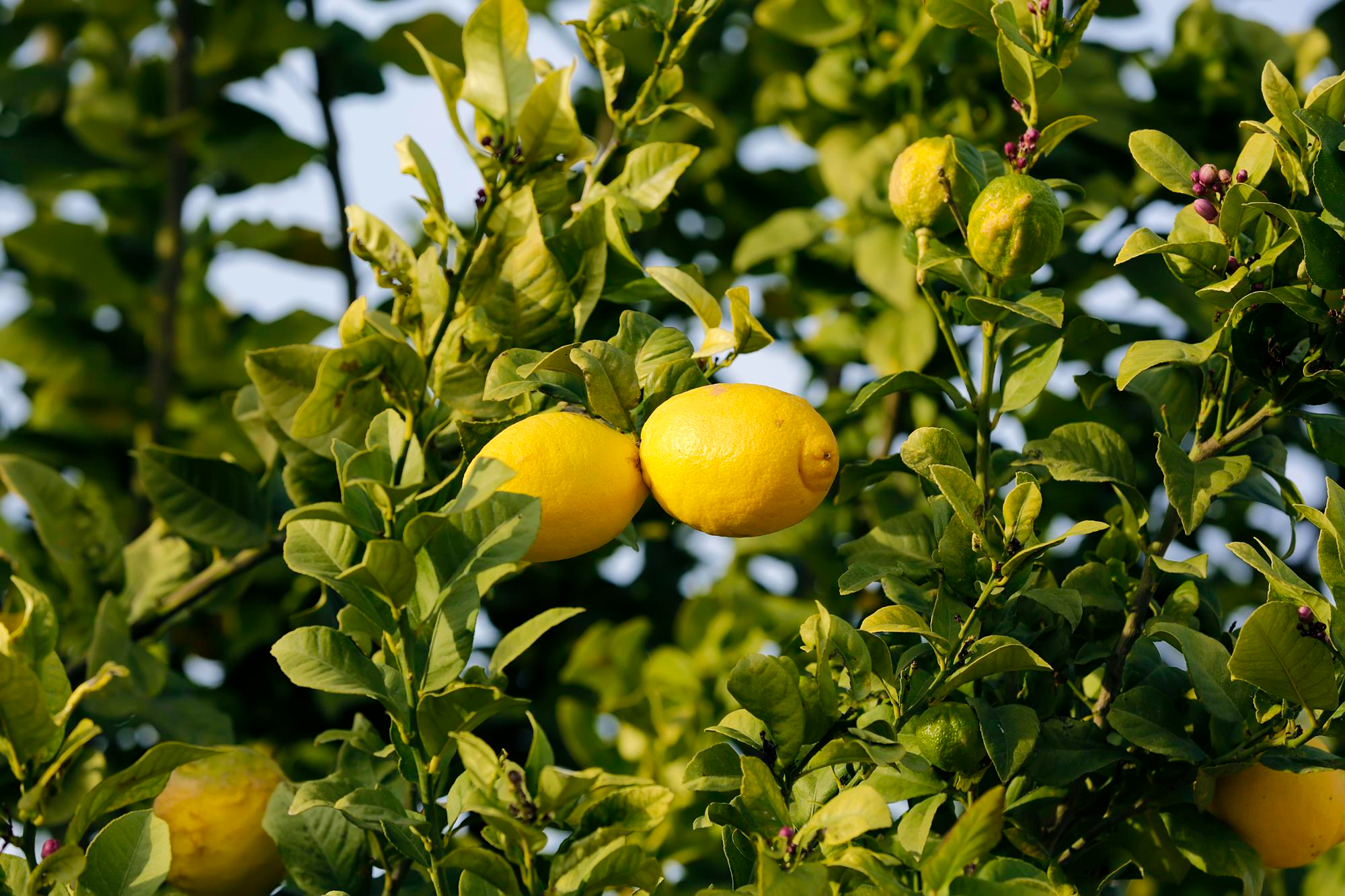
Read more: Lemon Tree Care: 6 Tips for Growing a Healthy TreeLemon tree care is easier when you focus on six basics: strong light, consistent watering, fast-draining soil, suitable temperatures, regular feeding, and light pruning. Whether you are learning how to care for a plant outdoors or how to take care of a lemon tree in a pot, the goal is the same: keep roots and…
-
Top 12 South Africa Plants: Native Flowers, Trees, and Succulents to Know
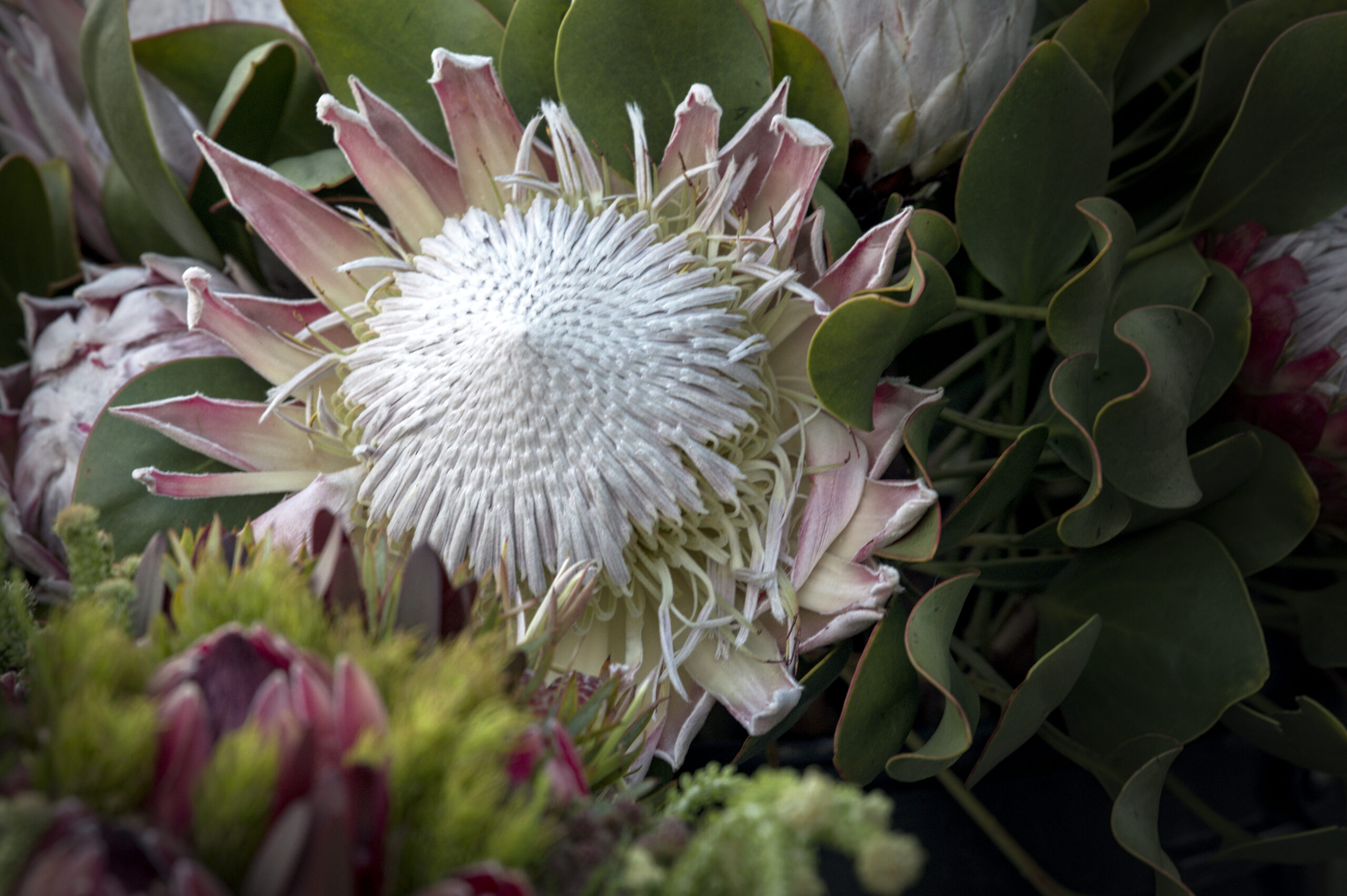
Read more: Top 12 South Africa Plants: Native Flowers, Trees, and Succulents to KnowSouth Africa is one of the world’s most exciting places for plant diversity. From fynbos-covered mountains to dry savannas, coastal forests, and desert-like landscapes, the country is home to thousands of remarkable species. Some South Africa plants are found nowhere else on Earth, while others are native to southern Africa and strongly linked with South…
FAQ
What is the easiest way to identify a plant?
Start with the type and growth form, then work through leaf arrangement, shape, and margin. Cross-reference those features against a guide specific to its type and region.
Can I identify a plant from a single leaf?
For some species, yes. Examine the leaf’s shape, margin, venation, texture, and whether it is simple or compound. For species with less distinctive leaves, go back to the entire plant and examine flowers, fruit, seeds, stem cross-section, bark, and height.
What features are most reliable for identification?
Leaf arrangement, venation, and margin are highly reliable. Flower structure is the most diagnostic single feature but is only present seasonally. Stem cross-section is underused but extremely reliable, too.
How do I identify a plant when it’s not in bloom?
Focus on leaf arrangement, margin, venation, stem cross-section, and bark. Pay attention to all signs: textures, size, and color as additional tips.
How do I tell apart two species that look identical?
Check stem cross-section, leaf texture, margin detail, and habitat. Species that appear identical at a glance almost always differ in at least one of these.
How do I know if a plant is toxic?
Visual identification alone is never a reliable safety method. Confirm the species using multiple features against a verified botanical source and consult a specialist before drawing any conclusions. When in doubt, avoid contact entirely.