
Learning to identify a vegetable correctly can make gardening, harvesting, and plant care much easier. Young vegetable plants often look surprisingly similar, especially before they begin flowering or producing fruit. Careful vegetable identification relies on several visible characteristics rather than a single feature.
This guide explains how to identify vegetables by examining their growth habit, leaves, stems, flowers, fruits, and underground structures. It also shows how growing conditions and geographic context can help narrow down the possibilities.
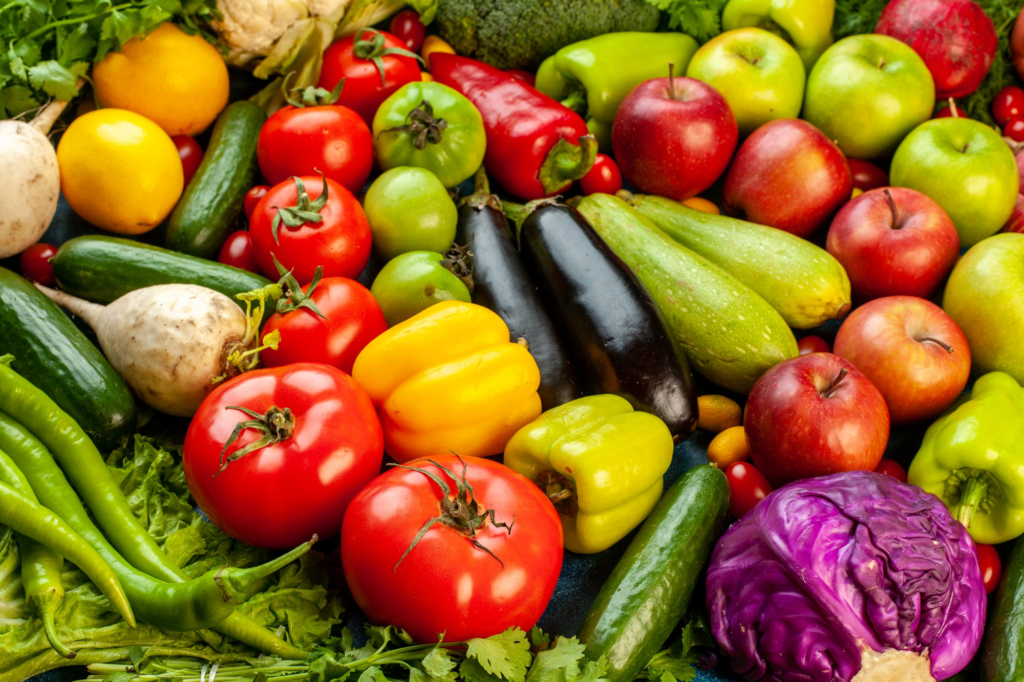
How to Quickly Recognize Vegetable Plants
When examining an unfamiliar vegetable plant, start with its overall form before focusing on smaller details. A combination of characteristics provides a more reliable result than leaf shape or color alone.
Start With the Plant’s Overall Form
Begin by looking at the plant from a short distance. Note whether it grows upright, spreads along the ground, forms a compact rosette, climbs, or produces long vines.
Size and growth pattern can immediately help separate major groups. Tomatoes and peppers develop upright stems. Cucumbers, pumpkins and many squash varieties produce spreading or climbing vines. Lettuce and some leafy greens form compact clusters close to the soil.
Analyze Most Distinctive Visual Characteristics
Next, inspect individual plant structures carefully. You can identify vegetables by comparing several features:
- Leaf shape, margins, texture, and arrangement
- Stem thickness, color, branching, and surface
- Flower shape, size, and color
- Fruit shape and how it develops on the plant
- Seeds, pods, bulbs, roots, or tubers
- Hairs, tendrils, spines, or other distinctive structures
Leaves are especially useful before flowering, but they should not be considered alone. Related vegetables may have similar foliage while producing very different flowers or fruits.
Use the Habitat and Growing Conditions as Identification Clues
Location can provide additional clues. Note whether the plant is growing in full sun or partial shade, in dry or consistently moist soil, and whether it was intentionally planted in a garden bed or appeared on its own.
Season also matters. Cool-season vegetables such as peas, spinach, and many brassicas are grown under different conditions from heat-loving vegetables such as peppers, eggplants, and cucumbers.
Botanical databases such as Plants of the World Online from the Royal Botanic Gardens, Kew, and the USDA GRIN Global database can provide additional taxonomic and distribution information when confirming a plant.
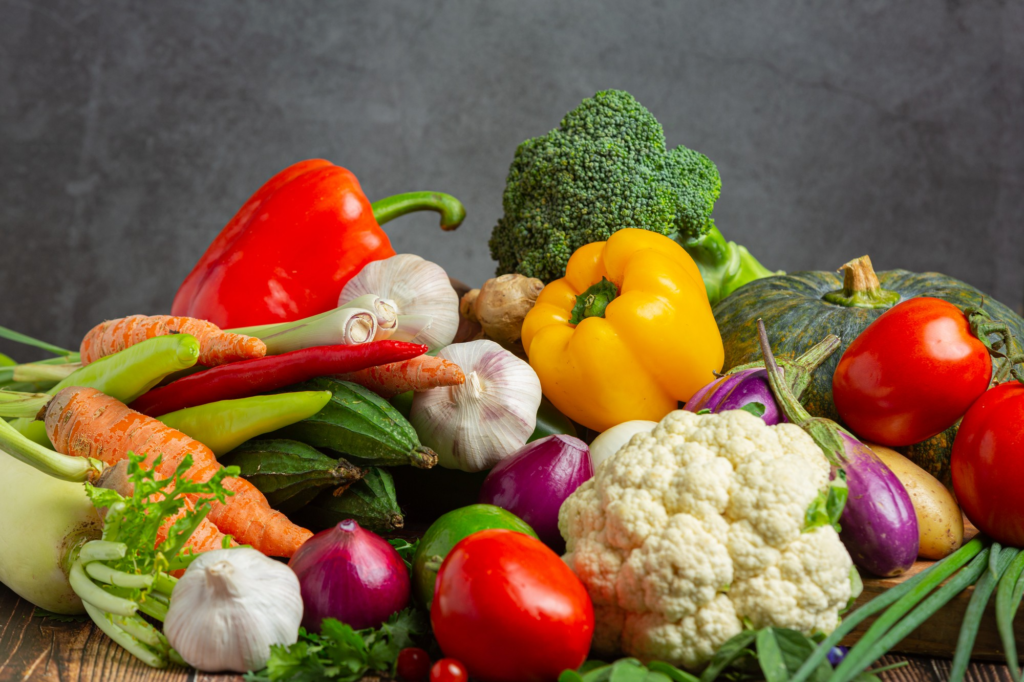
5 Essential Features for Accurate Vegetable Identification
So, what is vegetable identification in practical terms? It is the process of comparing several botanical characteristics until the combination points to a likely species or plant group.
| Characteristic | What to Examine | Examples |
| Growth habit | Upright, climbing, trailing, rosette-forming, bushy | Tomato, cucumber, lettuce |
| Leaves | Shape, margins, texture, arrangement, color | Kale, carrot, pepper |
| Stems | Thickness, hairs, branching, color | Tomato, celery, eggplant |
| Flowers | Shape, color, number of petals, arrangement | Squash, beans, peppers |
| Fruits or pods | Shape, size, attachment, internal structure | Peas, tomatoes, cucumbers |
Distinctive Features Shared by Vegetable Crops
“Vegetable” is primarily a culinary and agricultural category rather than a single botanical group. Plants grown as vegetables belong to many different families and may be cultivated for very different structures.
Depending on the species, the edible part may be:
- Leaves, as in lettuce and spinach
- Roots, as in carrots and beets
- Tubers, as in potatoes
- Bulbs, as in onions
- Stems, as in asparagus
- Flowers, as in broccoli
- Fruits, as in tomatoes, peppers, and squash
- Seeds or pods, as in peas and beans
Because of this diversity, there is no single leaf, flower, or growth pattern that defines every vegetable plant.
Practical Methods for Identifying Vegetable Plants Correctly
For more reliable results, examine the whole plant whenever possible. A young seedling may not yet display the characteristics needed for confident identification.
Keep these points in mind:
- Compare several features rather than relying on one.
- Photograph leaves, stems, flowers, and fruits from different angles.
- Check both upper and lower leaf surfaces.
- Consider the plant’s current growth stage and season.
- Recheck the identification after flowers or fruits appear.
Scientific naming resources such as GBIF can also help verify accepted names and documented geographic occurrences.
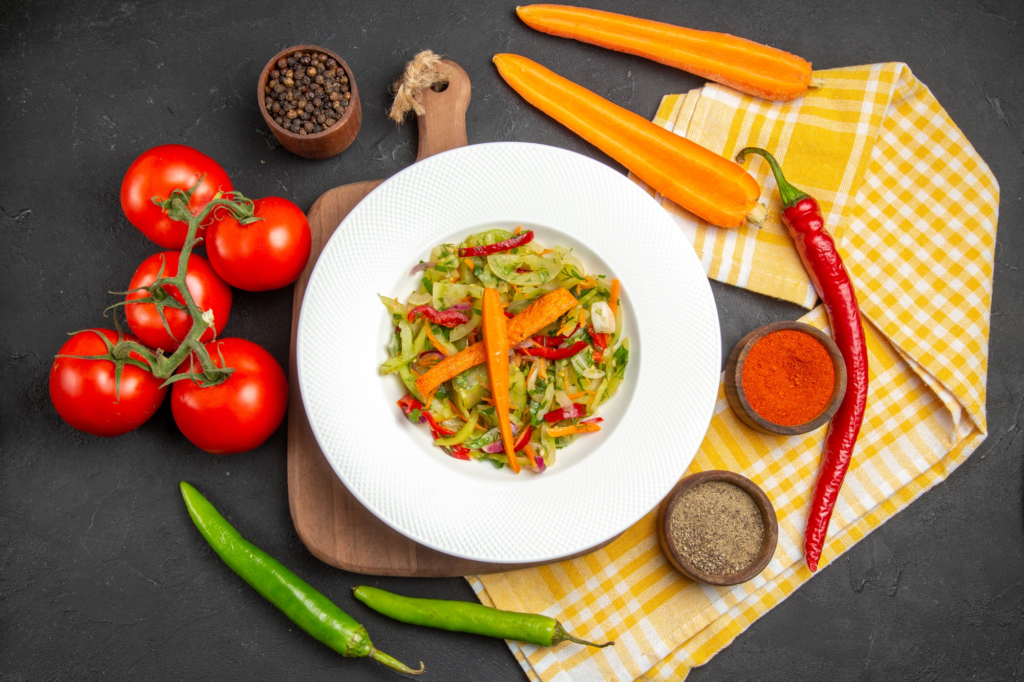
The World’s Most Widely Grown and Recognized Vegetables
Geography can support identification because vegetable cultivation varies with climate, local agriculture, and food traditions. However, widely cultivated crops may now occur far beyond their original ranges.
The table below shows examples of vegetables commonly grown in different parts of the world.
| Region | Common Vegetables | Growing Conditions |
| North America | Tomato, corn, squash | Temperate gardens and agricultural fields |
| South America | Potato, tomato, peppers | Highlands, temperate areas, tropical regions |
| Europe | Cabbage, carrot, onion | Temperate fields and gardens |
| Asia | Eggplant, radish, bok choy | Temperate to tropical agricultural areas |
| Africa | Okra, cowpea, leafy greens | Warm, subtropical, and tropical regions |
| Australia & Oceania | Pumpkin, tomato, beans | Temperate and subtropical growing regions |
FAQ
What is the easiest way to recognize a vegetable plant?
Start with its growth habit and leaves, then look for flowers, fruits, pods, bulbs, or other distinctive structures. Use several features together.
Can vegetable plants be identified from leaves alone?
Sometimes, but leaf-only identification can be uncertain. Young plants and closely related species may have similar foliage, so stems, flowers, fruits, and growth habit should also be checked.
Why do seedlings look different from mature vegetable plants?
The first seed leaves, known as cotyledons, may look very different from the true leaves that develop later. More recognizable characteristics usually appear as the plant matures.
Is a tomato botanically a vegetable?
A tomato is commonly treated as a vegetable in cooking, although the edible tomato develops from a flower and is botanically a fruit.
Explore More Plant Identification Guides

Discover the Latest Blog Posts
- Lemon Tree Care: 6 Tips for Growing a Healthy Tree
 Lemon tree care is easier when you focus on six basics: strong light, consistent watering, fast-draining soil, suitable temperatures, regular … Read more
 - Top 12 South Africa Plants: Native Flowers, Trees, and Succulents to Know
 South Africa is one of the world’s most exciting places for plant diversity. From fynbos-covered mountains to dry savannas, coastal … Read more
 - Best Trees for Landscaping
 Trees are important elements of garden design. In addition to a natural accent or background to other plants, they provide … Read more
 - 12 Best Summer Flowers For Your Garden
 A garden that loses its vibrant colors by July can be a disappointment. The secret is choosing plants that thrive … Read more