
Start recognition with the fruit, but do not stop there. A shell may suggest a hazel, oak, or chestnut, while the leaves and the way the fruit attaches to its branch reveal much more.
This nuts identification guide explains how to compare visible structures, distinguish botanical nuts from everyday “nuts,” and use habitat clues to narrow down a plant’s identity.
How to Identify Nuts
Learning how to identify a nut-bearing plant is easiest when you examine the whole specimen in a consistent order. First note its size and silhouette, then inspect foliage, developing fruits, and the surrounding vegetation. If you only have a fallen fruit, treat the result as preliminary.
Begin With the Tree or Shrub
Look for a single trunk, several stems, or a broad, spreading crown. Hazels are often multi-stemmed shrubs or small trees; mature oaks and chestnuts typically form substantial trees.
Record bark texture and the position of fruits on twigs. Age and pruning can change the overall silhouette, so these features work best in combination.
Inspect the Fruit and Foliage
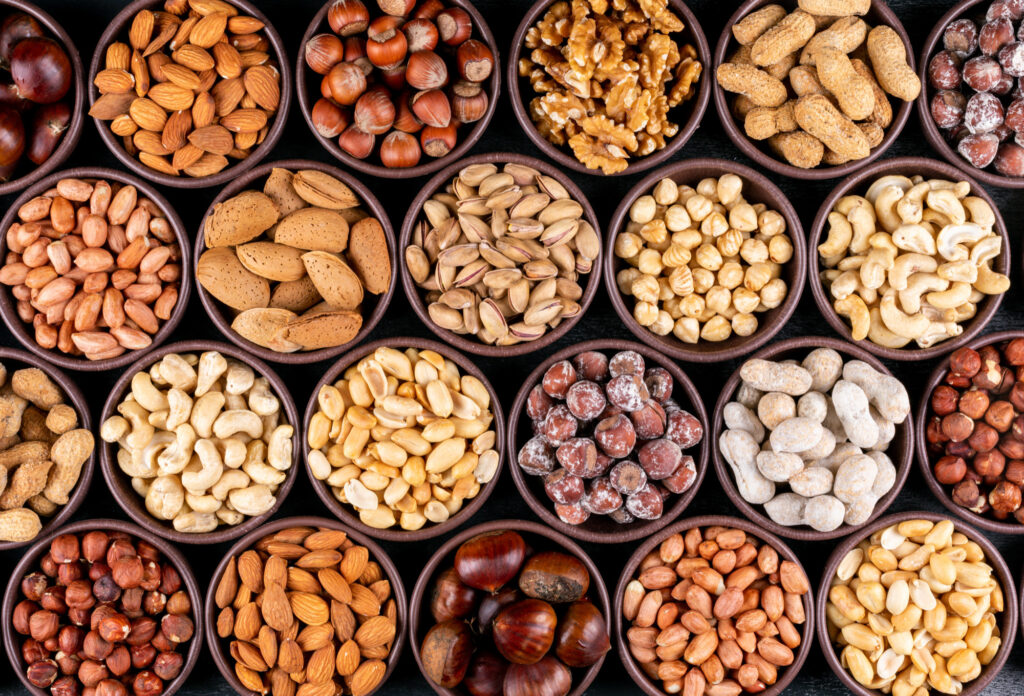
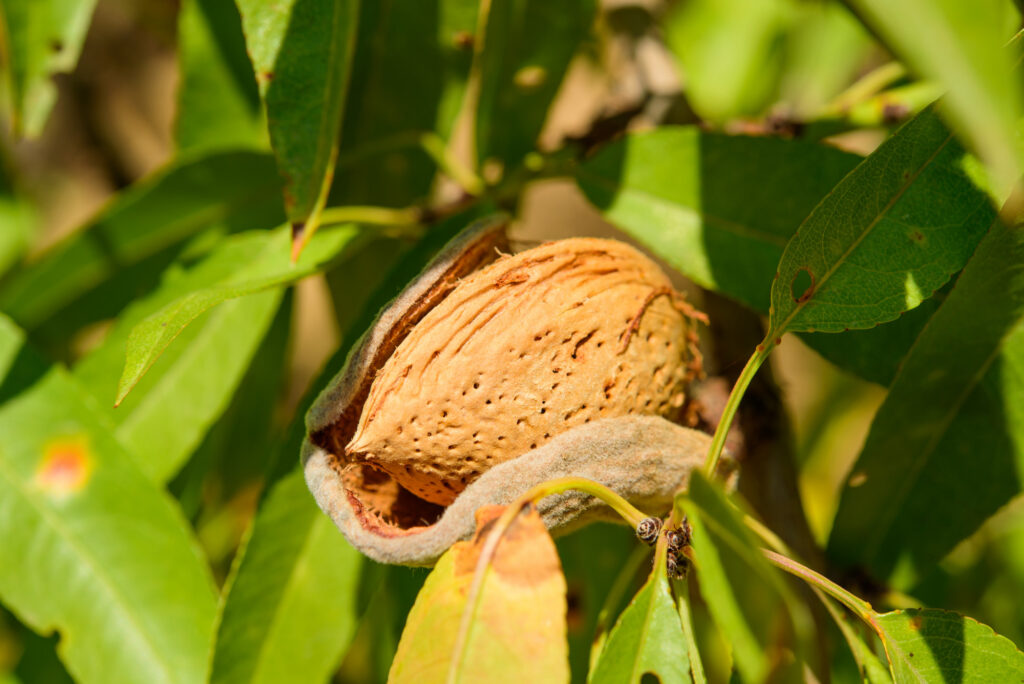
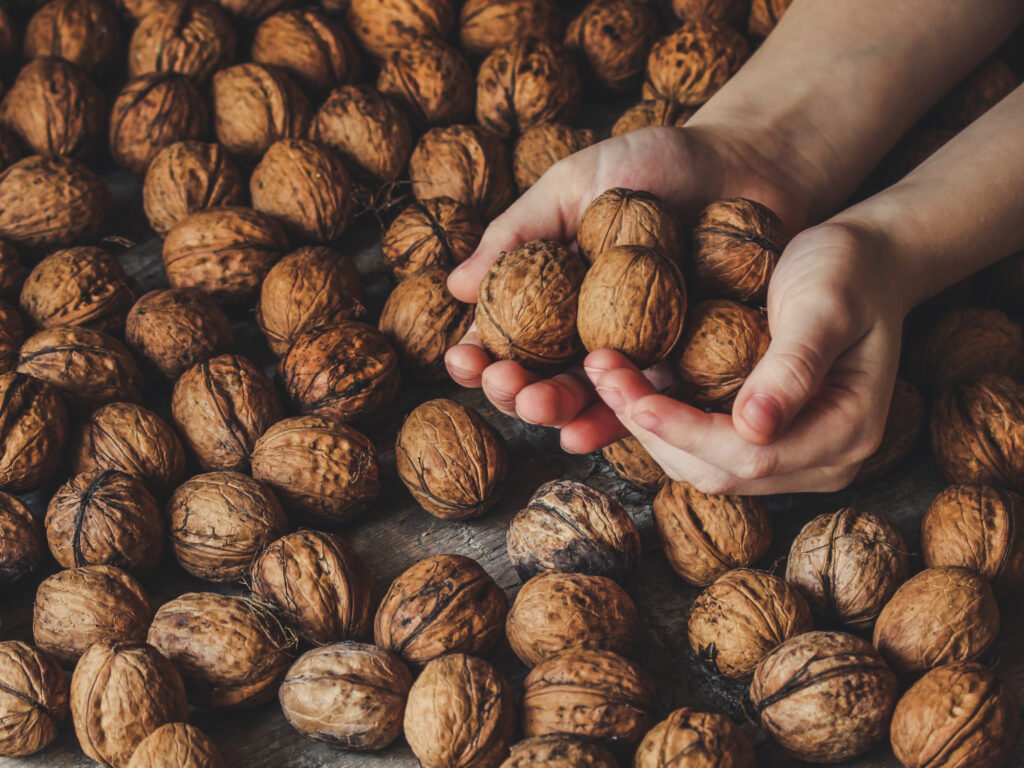
To identify nuts by their visible features, compare the shell with the leaf arrangement. Acorns sit in a cup-shaped cap; hazelnuts develop within a leafy husk; chestnuts are enclosed in a densely spiny burr. Walnuts have a fleshy outer husk surrounding a hard, ridged shell, although the edible portion is botanically a seed of a drupe-like fruit.
Leaf details also help: oaks have simple leaves that may be lobed or unlobed; chestnuts usually have long, toothed leaves; walnuts have compound leaves with several leaflets. Take photographs of both leaf surfaces, buds, and fruit attachment points.
Use the Habitat as Supporting Evidence
Note the local climate, slope, soil moisture, and whether the plant appears wild or planted. A cultivated walnut in a city park offers weaker geographic evidence than a naturally growing hazel in woodland.
Seasonal timing also matters: many temperate species develop recognizable mature fruits in late summer or fall.
6 Useful Features for Nut Plant Identification
A reliable identification comes from the combination of traits, not a single shell shape. The table below shows what to compare when examining an unfamiliar specimen.
| Characteristic | What to Examine | Identification Value |
| Fruit covering | Cup, leafy husk, spiny burr, or fleshy outer layer | Separates acorns, hazelnuts, chestnuts, and walnuts |
| Shell and seed | Size, shape, ridges, number of seeds | Useful for comparing mature fruits |
| Leaves | Simple or compound; lobes, teeth, arrangement | Narrows the family or genus |
| Growth habit | Tree or shrub; single or multiple stems | Helps distinguish similar plants |
| Flowers and catkins | Form, position, and flowering season | Provides clues before fruits mature |
| Habitat and season | Native range, site conditions, ripening period | Supports or challenges an initial match |
What Counts as a Nut in Botany?
What is nut identification in the botanical sense? It involves recognizing a particular fruit type: a dry, usually one-seeded fruit with a hard wall that does not split open naturally at maturity. Hazelnuts, chestnuts, and acorns are familiar examples.
In food terminology, however, “nut” covers a wider group of edible seeds and fruits, including almonds, peanuts, and walnuts.
That distinction matters when using an identification guide. A peanut is a legume, and an almond is the seed inside a stone fruit. The same food label does not imply that the plants share leaves, flowers, or fruit structures.
For a concrete example, the Royal Botanic Gardens, Kew profile of sweet chestnut describes its spiny fruit covering, toothed leaves, and deeply grooved bark.
Tips for Checking Your Identification
Use multiple observations before deciding on a species, especially when fallen fruits may have come from another nearby tree.
- Photograph attached fruits alongside a leaf, twig, and the entire plant.
- Compare mature specimens; immature shells and husks can be misleading.
- Use scientific names when several local names refer to different species.
- Check the native range and whether the specimen is planted or naturalized.
- Never taste an unidentified nut or assume a lookalike is edible.
If a tree is not fruiting, record its buds, leaf arrangement, and bark, then revisit during the fruiting season. Botan can help organize visual clues from clear photographs, but a species-level conclusion should still be checked against diagnostic botanical descriptions.
Nuts Around the World
Natural distribution can significantly narrow the options. Hazels are associated with temperate Northern Hemisphere habitats, while macadamias originate in eastern Australia. The same plant may also appear far outside its native range through cultivation, so the location of a specimen must be interpreted carefully.
Kew records European hazel’s native range as Europe to the Caucasus, while its records for English walnut place that species’ native range from parts of Southwest Asia toward the western Himalayas.
The examples below represent selected regional species or native groups, rather than every edible nut grown commercially in each region.
| Region | Representative Plant | Typical Habitat / Context |
| North America | Quercus alba (white oak) | Temperate deciduous forests |
| South America | Bertholletia excelsa (Brazil nut tree) | Amazonian tropical rainforest; culinary “nut” is a seed |
| Europe | Corylus avellana (European hazel) | Woodlands, edges, and hedgerows |
| Asia | Juglans regia (English walnut) | Temperate mountain and woodland habitats in native range |
| Africa | Cola acuminata (kola tree) | Humid West African forest; edible seeds, not true nuts |
| Australia & Oceania | Macadamia integrifolia (macadamia) | Subtropical rainforest of eastern Australia; culinary nut |
FAQ
Can I identify a tree from its nut alone?
Sometimes you can narrow it to a genus, but the attached husk, leaves, buds, and bark make the result more reliable. Fallen fruits can also be carried away from their parent plant.
Are walnuts true botanical nuts?
No. The commonly eaten walnut is a seed inside a hard endocarp, enclosed by an outer husk. Culinary usage and botanical fruit classification are different.
Why do some trees produce catkins?
Catkins are flower clusters found in several nut-bearing groups, including hazels. Their shape and timing can provide useful clues before fruits appear.
When is the best time to examine nut-bearing plants?
Late summer through fall is often useful for temperate species because fruits are developing or mature. Spring flowers and winter buds can provide additional evidence.
Does a matching habitat confirm the species?
No. Habitat and geography reduce the number of possibilities, but planted and naturalized trees can grow outside their original range. Confirm the match with several physical characteristics.
Explore More Plant Identification Guides


Discover the Latest Blog Posts
- 6 Best Planting Calendar Apps
 Timing is half of gardening. Sow too early, and a late frost wipes out your seedlings; sow too late, and … Read more
- What Is Napa Cabbage and How to Grow It
 Napa cabbage is a popular leafy vegetable known for its tender texture, mild flavor, and crisp white stems. It is … Read more
- Lemon Tree Care: 6 Tips for Growing a Healthy Tree
 Lemon tree care is easier when you focus on six basics: strong light, consistent watering, fast-draining soil, suitable temperatures, regular … Read more
- Top 12 South Africa Plants: Native Flowers, Trees, and Succulents to Know
 South Africa is one of the world’s most exciting places for plant diversity. From fynbos-covered mountains to dry savannas, coastal … Read more
- Best Trees for Landscaping
 Trees are important elements of garden design. In addition to a natural accent or background to other plants, they provide … Read more