
Trying to identify a bulb plant in your garden or a natural landscape? Start with its leaves, flowers, growth pattern, and, when visible, underground structure. These features can help distinguish tulips, daffodils, lilies, and other bulb-forming species that may look surprisingly similar.
Accurate bulb plant identification also helps you understand seasonal growth, dormancy, and suitable growing conditions. This guide explains which characteristics to examine, how to recognize common bulb types, and why geographic location matters when narrowing down a plant’s identity.
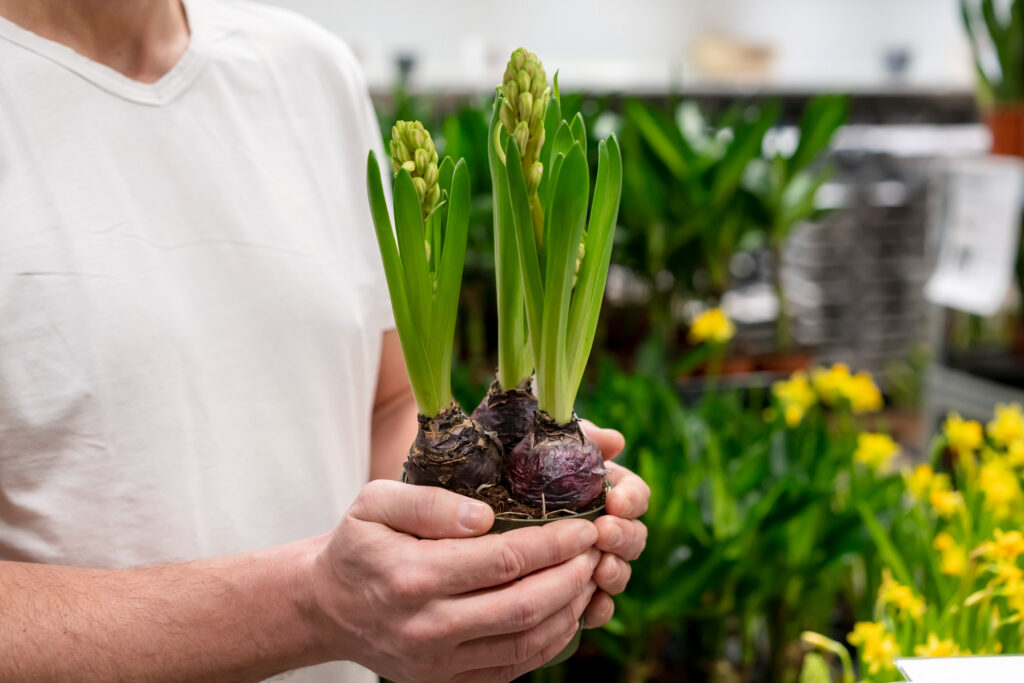
How to Recognize Different Bulb Plants
Understanding how to identify a bulb plant begins with observing the entire specimen rather than focusing on a single flower. Follow a consistent sequence to collect useful clues.
Start With the Plant’s Shape and Growth Habit
Look at how the plant grows above the ground. Does it produce a compact cluster of narrow leaves, a tall flowering stalk, or several upright stems?
Tulips typically have broad, somewhat fleshy leaves, while daffodils develop narrower, strap-shaped foliage. Lilies usually produce leafy stems with flowers near the top.
Plant height, leaf arrangement, and the number of flowering stems provide valuable early clues.
Examine Leaves, Flowers, and Structure
You can identify a bulb plant by examining several visible characteristics together:
- Leaves: Check their width, texture, shape, and arrangement.
- Flowers: Observe petal-like segments, color patterns, orientation, and flower clusters.
- Stems: Note whether the flowering stalk is leafy or leafless.
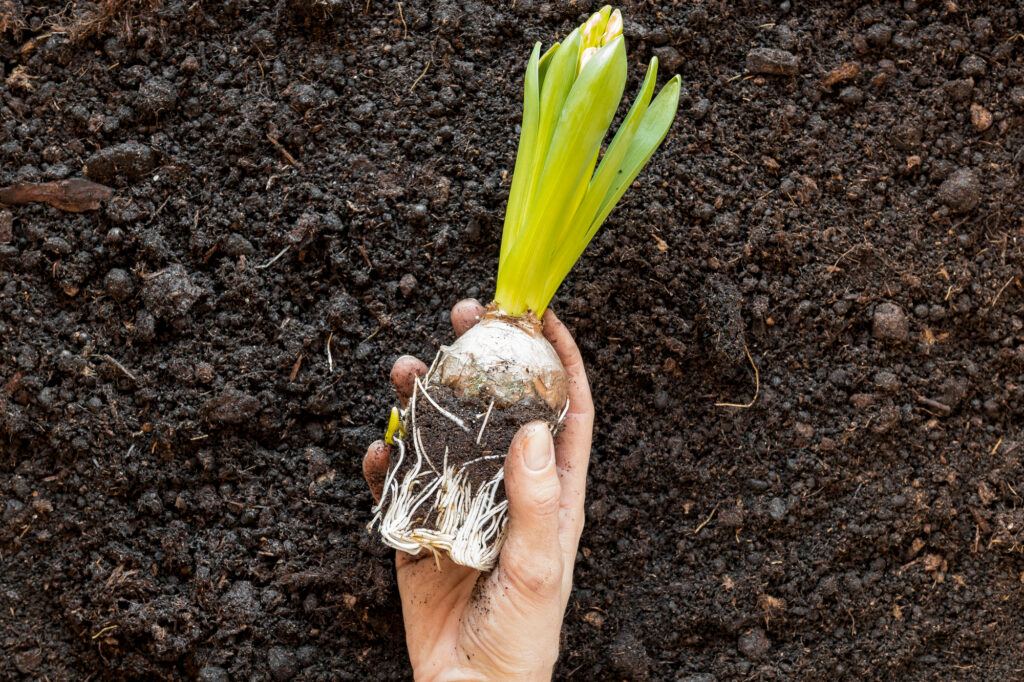
- Bulbs: When already exposed, examine their shape, protective covering, and internal layers.
True bulbs contain fleshy storage leaves surrounding a shortened stem. Some have papery outer coverings, while others consist of overlapping scales.
The University of Minnesota Extension’s explanation of underground storage structures helps distinguish true bulbs from corms, rhizomes, and tubers.
Check the Habitat and Growing Conditions
Growing conditions provide additional evidence. Consider whether the plant appears in a sunny meadow, woodland, rocky slope, or cultivated garden.
Soil moisture, seasonal temperatures, sunlight, and local climate can help eliminate unlikely species. However, cultivated bulb plants frequently grow far beyond their native ranges, so location alone cannot confirm an identification.
6 Key Features That Help Identify Bulb Plants
Reliable identification depends on comparing several morphological features. The following table highlights the most useful characteristics and what they can reveal.
| Identification Feature | What to Examine | Why It Matters |
| Structure | Shape, scales, outer covering | Distinguishes true bulbs from other storage organs |
| Leaf characteristics | Width, arrangement, texture | Helps separate similar-looking species |
| Flower structure | Shape, symmetry, number of segments | Provides important diagnostic clues |
| Flowering stem | Height, foliage, number of flowers | Helps distinguish plant groups |
| Growth cycle | Emergence, flowering, dormancy | Reveals seasonal development patterns |
| Habitat | Soil, moisture, sunlight, climate | Helps narrow down possible species |
When flowers are absent, leaf shape, growth habit, and seasonal timing become especially useful.
What Makes Bulb Plants Different?
Bulb plants are perennial plants that store nutrients in specialized underground structures. True bulbs contain a short stem surrounded by fleshy leaves or leaf bases that support future growth.
Two common structural types are:
- Tunicate bulbs: Have a protective outer covering, as seen in tulips and daffodils.
- Scaly bulbs: Have overlapping fleshy scales without a continuous papery covering, as seen in many lilies.
Not every plant sold as a flowering bulb has a true botanical bulb. Crocuses grow from corms, while dahlias develop tuberous roots.
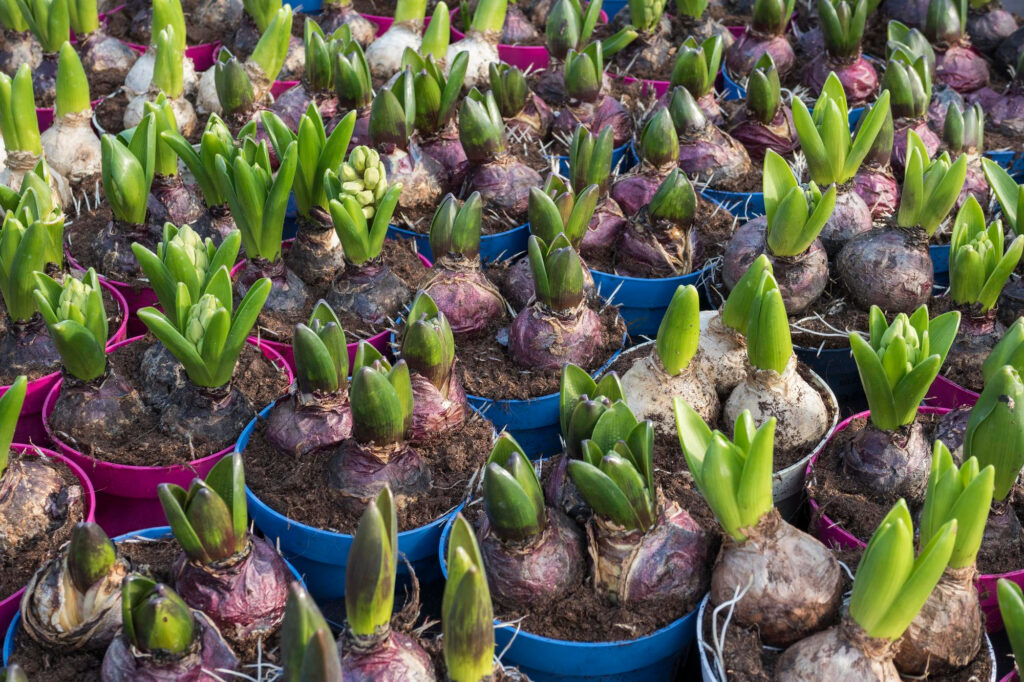
Many bulb-forming species also follow a seasonal cycle. They produce foliage and flowers during favorable conditions, then enter dormancy when temperatures or moisture become less suitable.
Practical Tips for More Accurate Identification
Small details can make a significant difference when comparing similar species. These practices help improve accuracy:
- Photograph the entire plant. Include leaves, stems, flowers, and their arrangement.
- Record the flowering season. Some species bloom in late winter, while others flower during summer.
- Compare multiple characteristics. Flower color alone rarely provides sufficient evidence.
- Check botanical names. Common names sometimes refer to several unrelated plants.
- Avoid unnecessary digging. Examine underground structures only when accessible without damaging the plant.
For additional confirmation, compare your observations with verified botanical descriptions or use Botan to help narrow down possible matches from clear photographs.
Bulb Plants Found in Different Parts of the World
Geographic distribution is another useful identification clue. Some bulb-forming species are naturally restricted to particular climates, regions, or ecosystems.
For example, common camas (Camassia quamash) is native to western North America, while the genus Hippeastrum originates in Central and tropical South America.
Knowing where a plant naturally occurs helps narrow the possibilities, although garden cultivation can make many species widespread.
The table below presents representative bulb-forming plants associated with different regions.
| Region | Representative Bulb Plants | Typical Natural Habitats |
| North America | Camassia quamash | Moist meadows and open grasslands |
| South America | Hippeastrum species | Tropical and subtropical habitats |
| Europe | Galanthus nivalis | Woodlands and shaded slopes |
| Asia | Lilium lancifolium | Grasslands and woodland edges |
| Africa | Eucomis autumnalis | Grasslands and seasonally moist areas |
| Australia & Oceania | Calostemma purpureum | Woodlands and grassy areas |
For African species, Royal Botanic Gardens, Kew’s account of Eucomis autumnalis provides additional information about its morphology and distribution.
FAQ
What is bulb plant identification?
It is the process of determining a bulb-forming plant’s identity by examining its foliage, flowers, underground structure, growth cycle, and habitat. Combining several features helps distinguish similar species.
Can I recognize a bulb plant without flowers?
Yes, sometimes. Leaf shape, arrangement, growth habit, and visible characteristics may help narrow down its identity. However, some species are difficult to distinguish confidently until they flower.
What is the difference between a bulb and a corm?
A true bulb stores nutrients mainly in fleshy leaf tissues, while a corm is primarily a swollen underground stem. Tulips have true bulbs, whereas crocuses grow from corms.
When is the best time to identify bulb plants?
The flowering period is often the most informative because flowers provide additional diagnostic features. During dormancy, identification can be considerably harder.
Are all bulb plants suitable for indoor growing?
No. Some need a prolonged cool period or a distinct dry dormancy to grow and flower successfully. Indoor suitability depends on the species and its environmental requirements.
Explore More Plant Identification Guides
Discover the Latest Blog Posts
- 6 Best Planting Calendar Apps
 Timing is half of gardening. Sow too early, and a late frost wipes out your seedlings; sow too late, and … Read more
- What Is Napa Cabbage and How to Grow It
 Napa cabbage is a popular leafy vegetable known for its tender texture, mild flavor, and crisp white stems. It is … Read more
- Lemon Tree Care: 6 Tips for Growing a Healthy Tree
 Lemon tree care is easier when you focus on six basics: strong light, consistent watering, fast-draining soil, suitable temperatures, regular … Read more
- Top 12 South Africa Plants: Native Flowers, Trees, and Succulents to Know
 South Africa is one of the world’s most exciting places for plant diversity. From fynbos-covered mountains to dry savannas, coastal … Read more
- Best Trees for Landscaping
 Trees are important elements of garden design. In addition to a natural accent or background to other plants, they provide … Read more