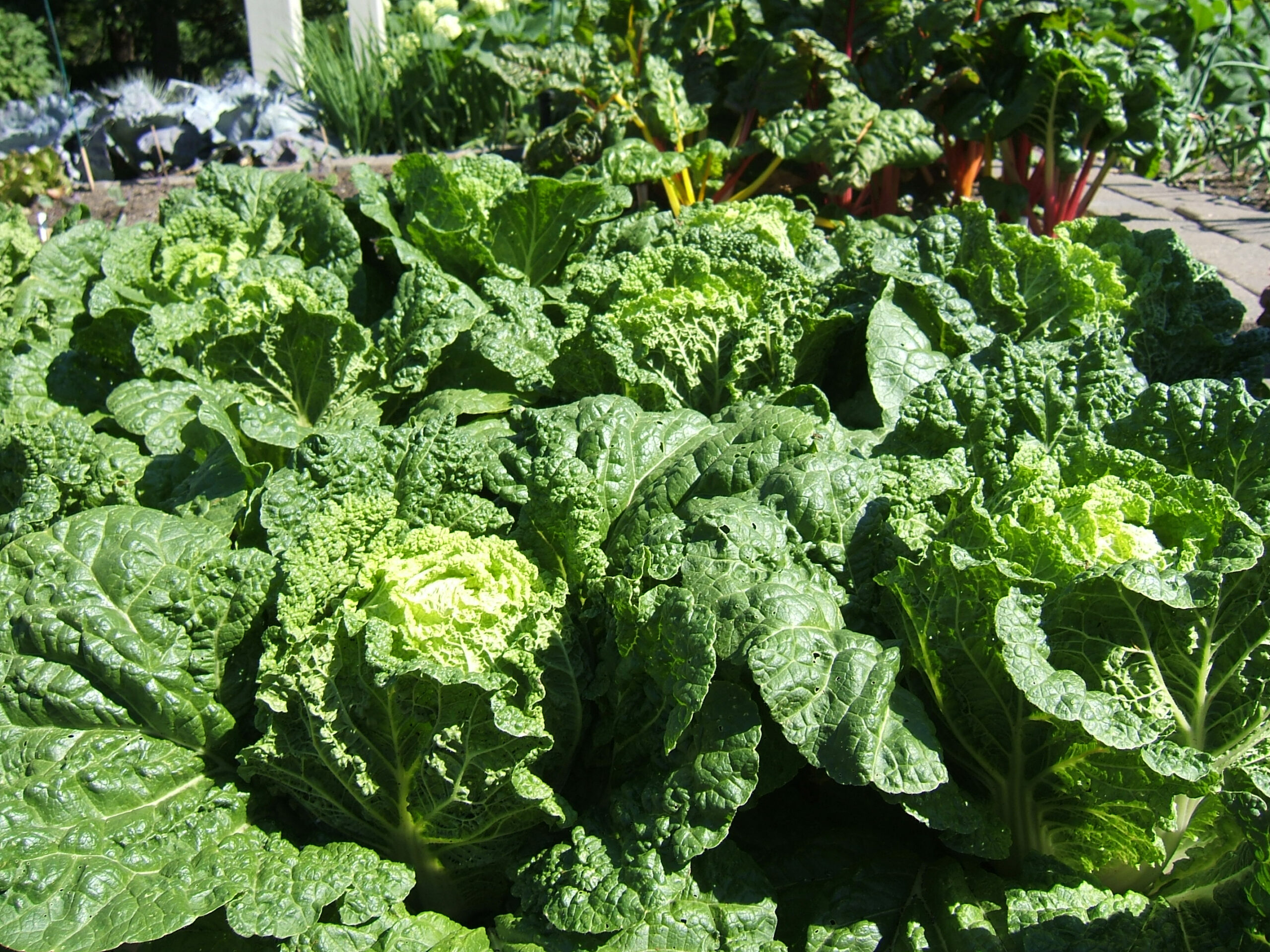
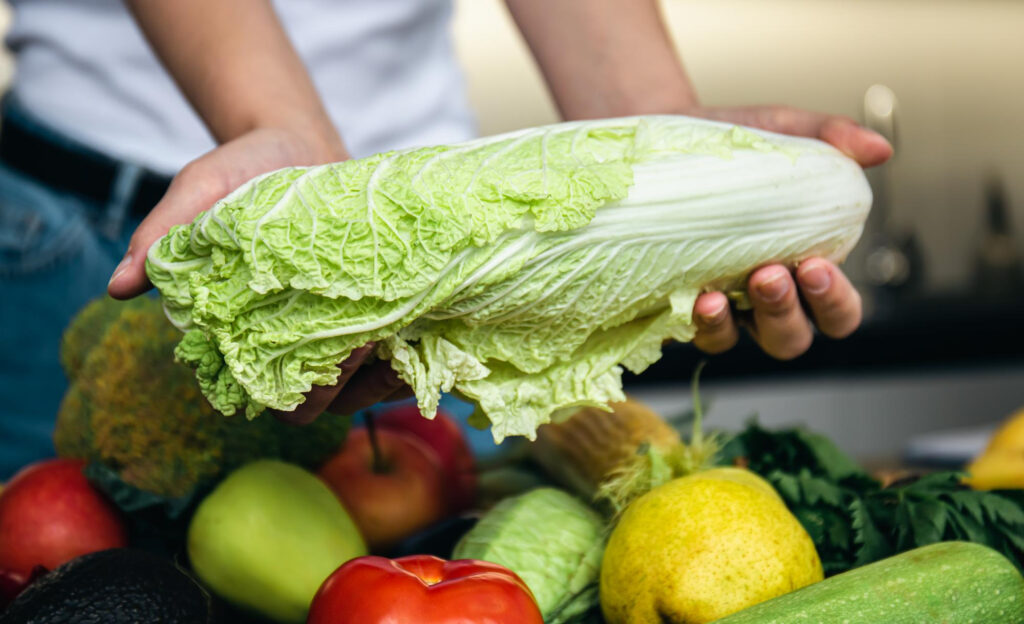
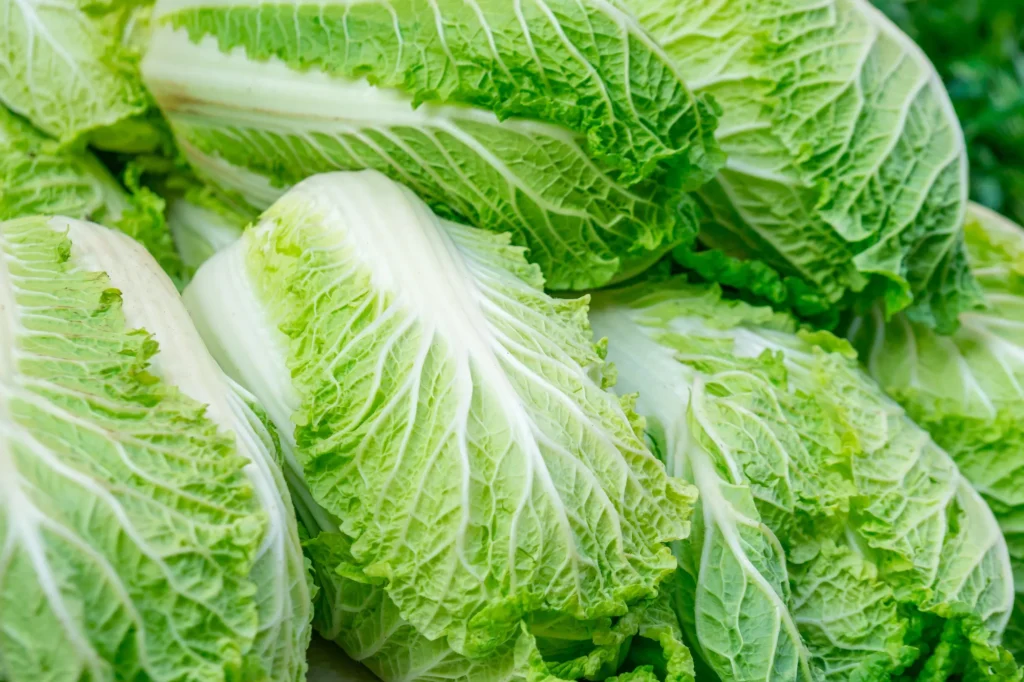
Napa cabbage is a popular leafy vegetable known for its tender texture, mild flavor, and crisp white stems. It is commonly used in Asian cooking, especially in kimchi, soups, stir-fries, and fresh salads. Unlike traditional round cabbage, this one develops an elongated head with tightly packed, pale green leaves.
If you’re wondering what Chinese cabbage is and whether you can grow it at home, the good news is that this vegetable is relatively easy to cultivate. This guide covers everything from planting seeds to recognizing when your cabbage is ready to pick.
Napa Cabbage Growing Stages: From Seed to Harvest
Napa cabbage (Brassica rapa subsp. pekinensis) belongs to the Brassicaceae family, alongside broccoli, kale, and cauliflower. Although its name is sometimes used interchangeably with Chinese cabbage, the latter can also refer to other Asian leafy vegetables, including bok choy.
Understanding the napa cabbage growing stages helps gardeners recognize healthy development and identify problems before they affect the harvest.
| Growth Stage | Approximate Timeline | What Happens |
| Germination | Days 3–10 | Seeds sprout and produce their first small leaves. |
| Seedling development | Weeks 2–3 | True leaves appear, and roots become established. |
| Leaf growth | Weeks 3–5 | Large outer leaves develop and form an open rosette. |
| Head formation | Weeks 5–8 | Inner leaves begin overlapping and forming a compact head. |
| Maturity and harvest | Weeks 8–11 | Heads become firm, dense, and ready for harvesting. |
These timelines are approximate. Growth depends on the variety, temperature, sunlight, and soil conditions. Some fast-growing cultivars mature sooner, while larger varieties require additional time.
What Does a Healthy Plant Look Like?
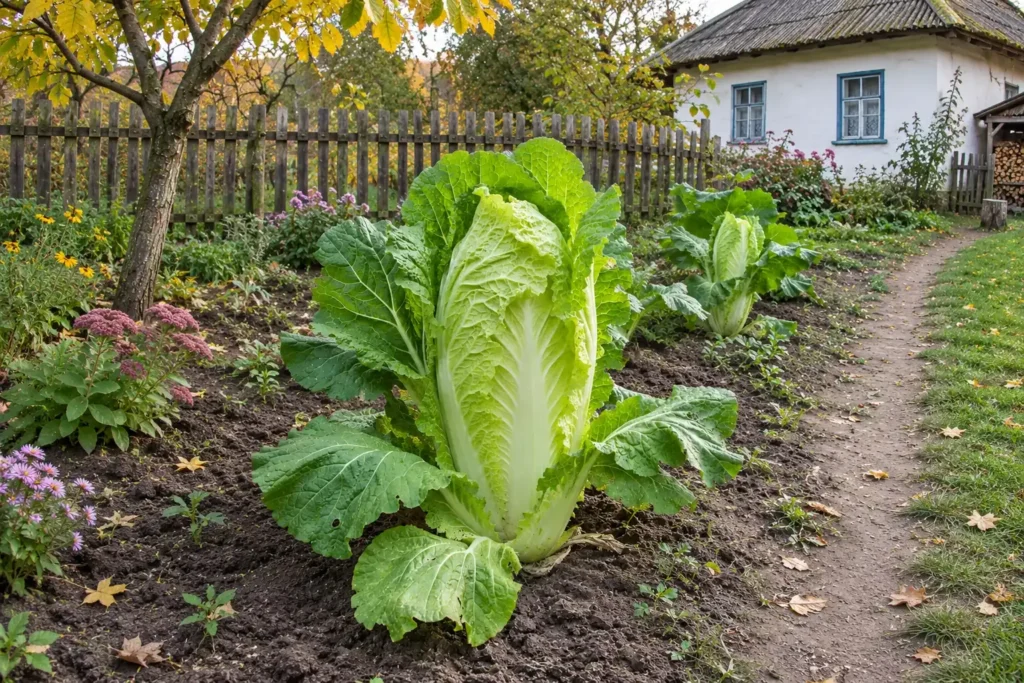
Young plants should have bright green leaves without significant yellowing or wilting. As they mature, the broad outer leaves spread outward while the inner leaves gradually become more upright.
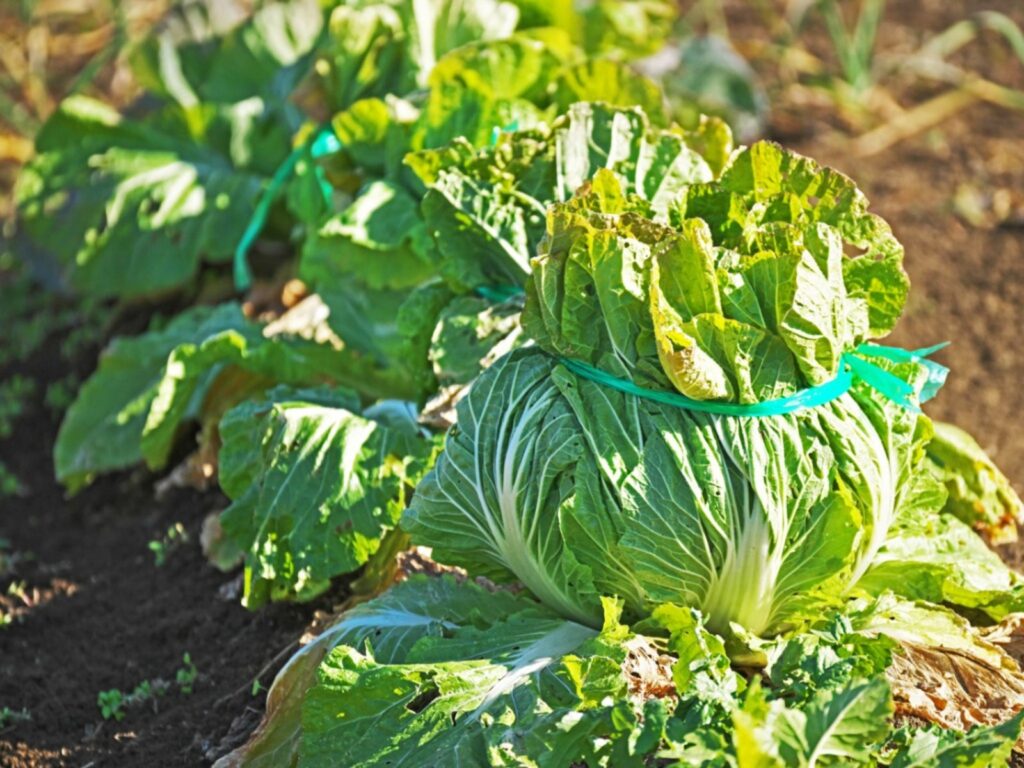
A healthy mature plant typically develops a cylindrical or barrel-shaped head with pale green leaves and thick white ribs. The head should feel firm but not excessively hard.
How to Grow Napa Cabbage From Seed
Learning how to grow napa cabbage begins with choosing the right planting season and preparing suitable soil. This is a cool-season crop that performs best when temperatures remain moderate.
Choosing the Right Planting Time
Napa cabbage generally grows best at temperatures around 60–70°F (15–21°C). Excessive heat can interfere with head formation, while prolonged cold exposure during early growth may trigger premature flowering, also called bolting.
In regions with mild springs, gardeners can plant early enough to avoid summer heat. However, fall planting is often more reliable in climates with unpredictable spring temperatures.
Preparing the Soil and Planting Seeds
Choose a location receiving at least six hours of direct sunlight daily. Napa cabbage prefers fertile, well-drained soil that retains moisture without becoming waterlogged. A soil pH between 6.0 and 7.5 is suitable.
Follow these steps to establish your plants:
- Prepare the soil. Loosen the upper 8–12 inches and incorporate mature compost to improve fertility and moisture retention.
- Sow the seeds. Plant seeds approximately ¼–½ inch deep, spacing planting spots 12–18 inches apart, depending on the variety.
- Maintain moisture. Water gently after planting and prevent the soil surface from drying out during germination.
- Thin the seedlings. Once seedlings become established, retain the strongest plant at each position.
- Protect young plants. Use lightweight row covers when necessary to reduce damage from insects and unfavorable weather.
Avoid planting where other brassicas have recently grown. Crop rotation helps reduce the buildup of soilborne pests and diseases.
Caring for Napa Cabbage During Growth
Proper care becomes especially important once plants begin producing large leaves. Consistent growing conditions support steady development and encourage tight head formation.
Watering and Fertilizing
Napa cabbage needs regular moisture throughout its growing cycle. Aim for approximately one inch of water weekly, including rainfall, and adjust according to soil type and weather conditions.
Water near the base of the plants rather than repeatedly soaking the leaves. Mulching with clean straw or other organic material can help maintain moisture and suppress weeds.
Compost-enriched soil often provides a good nutritional foundation. If a soil test indicates nutrient deficiencies, apply a suitable vegetable fertilizer according to the product instructions. Avoid excessive nitrogen, which may encourage leaf growth without producing well-formed heads.
Preventing Common Pests and Diseases
Like other cabbage-family vegetables, this one can attract insects and develop fungal or bacterial diseases.
Watch for these common problems:
- Flea beetles: Small insects that create tiny holes in leaves, particularly damaging young seedlings.
- Cabbageworms: Caterpillars that chew irregular holes and may hide between developing leaves.
- Clubroot: A soilborne disease that causes swollen roots, stunted growth, and wilting.
- Tipburn: Browning along inner leaf edges, often associated with disrupted calcium uptake and inconsistent moisture.
Inspect plants regularly, remove heavily damaged foliage when appropriate, and use insect netting to protect vulnerable seedlings.
The University of Minnesota Extension’s recommendations for cool-season crops also explain how temperature extremes, water stress, and nutrient imbalances can disrupt normal cabbage development.
When to Harvest Napa Cabbage for the Best Flavor
Knowing when to harvest napa cabbage is essential because mature heads can lose quality if left in the garden too long.
Most varieties are ready approximately 60–80 days after sowing, although maturity varies by cultivar and growing conditions. Rather than relying exclusively on the calendar, examine the head itself.
Look for these indicators before harvesting:
- Firmness: The head feels compact and dense when gently squeezed.
- Size: The plant has reached the approximate mature dimensions listed on its seed packet.
- Leaf condition: Outer leaves remain healthy, while inner leaves are tightly layered.
Harvest before the plant starts producing a tall flowering stalk. Once bolting begins, head development stops and eating quality can decline.
How to Harvest and Store
Use a clean, sharp knife to cut the mature head near its base, just above the soil. Remove damaged or discolored outer leaves, but retain healthy wrapper leaves to protect the head.
For short-term storage, place unwashed cabbage in a perforated plastic bag or loosely wrapped container in the refrigerator. Keep it cool and wash only before use.
For longer storage, napa cabbage requires consistently cold, humid conditions. According to Oregon State University Extension’s vegetable gardening guide, Chinese cabbage is also well suited to seasonal planting schedules that account for regional growing conditions.
FAQ
Can I grow napa cabbage in containers?
Yes, Napa cabbage can grow successfully in containers, especially compact varieties. Choose a pot at least 12 inches deep and 12–16 inches wide, with drainage holes. Use nutrient-rich potting mix and allow enough room for the head to develop.
Can I regrow napa cabbage from kitchen scraps?
Yes, you can encourage new leaves to grow from the base of a harvested Napa cabbage. Place the bottom 2 inches of the stem in a shallow dish of water, keeping the upper cut surface above the waterline. Change the water regularly and provide bright, indirect light.
What is the difference between napa cabbage and regular green cabbage?
Napa cabbage has elongated heads, delicate crinkled leaves, and a mild, slightly sweet flavor. Regular green cabbage forms round, compact heads with thicker, tougher leaves and a stronger cabbage flavor.